Top Landscaping Services in Pana, IL, 62557 | Compare & Call
There are 47 landscaping companies server in Pana IL
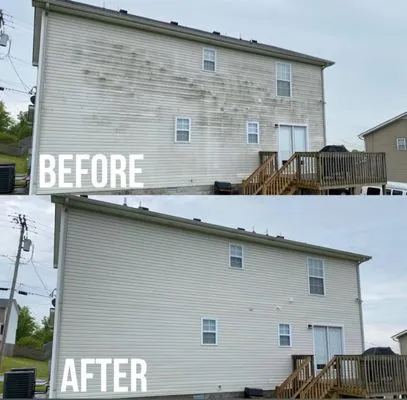
Flawless Property Solutions
Flawless Property Solutions is your trusted local partner in Effingham, IL, specializing in comprehensive property care services including landscaping, pressure washing, and junk removal. We understan...
Set in Stone is a Mattoon-based company specializing in custom stone, tile, and landscaping work. Founded in 2019, we began as a small custom stone and tile floor installation business and have since ...

Bergschneider Landscaping is a family-owned and operated business proudly serving Morrisonville and the surrounding area since 2017. Licensed, bonded, and insured, we bring over a decade of experience...
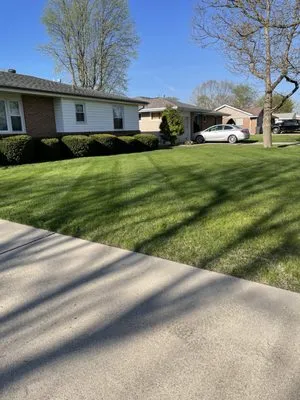
Lawn-Trepreneurs began in 2015 when the owner, a first responder, started with a few yards and discovered a passion for creating crisp, clean landscapes. Inspired by the sharp lines of well-maintained...
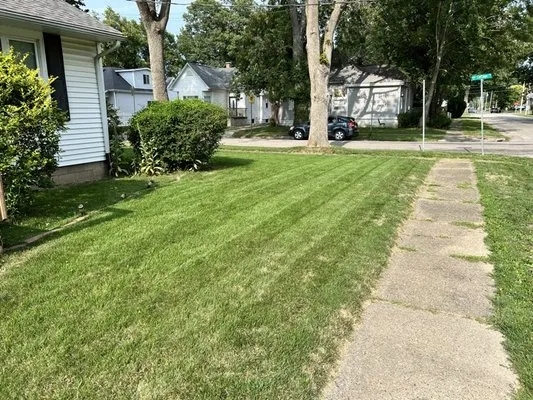
Big Hoss Lawncare is your trusted local lawn service provider in Taylorville, IL, specializing in comprehensive lawn care solutions. We understand the unique challenges Taylorville homeowners face, pa...
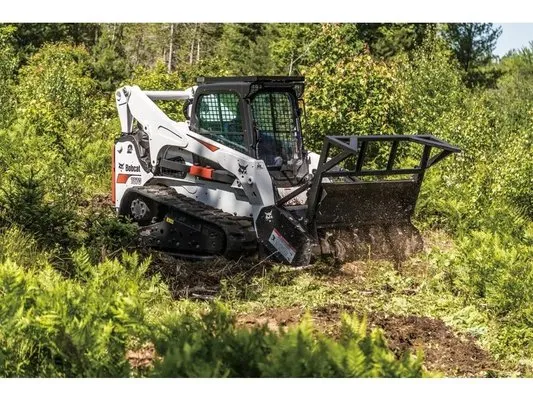
Asgaill Forestry is a Brighton, IL-based landscaping and tree services company dedicated to enhancing local outdoor spaces. We specialize in comprehensive solutions including earthmoving, driveway con...
Guy Mills is the owner of Guy's Yard And Lawn Services, a local Hillsboro operation built on honesty and hard work. As a father and husband, he understands the value of a dollar and the importance of ...
Quality Junk Removers
Quality Junk Removers is your trusted local solution in St. Peter, IL, for comprehensive junk removal, hauling, lawn services, and water heater installation/repair. We specialize in appliance, furnitu...
Elliott Lawn Care is a locally owned and operated lawn care business serving Taylorville, IL, and the surrounding areas. We specialize in comprehensive lawn maintenance, including regular mowing and r...

Green Haven Landscapes is a Taylorville-based lawn care company dedicated to keeping local yards healthy and beautiful. We understand the unique challenges homeowners face in our area, including commo...
Estimated Landscaping Service Costs in Pana, IL
Question Answers
What permits and licenses are needed for regrading my 0.22-acre property?
Grading projects altering drainage patterns require Pana City Clerk review to ensure compliance with municipal runoff standards. Contractors must hold Illinois Department of Financial and Professional Regulation landscaping licenses for earthmoving exceeding 100 cubic yards on 0.22-acre lots. Unlicensed grading risks fines up to $5,000 and mandatory restoration, as improper slope changes can redirect water onto neighboring properties or compromise foundation integrity in silty clay loam soils common throughout Downtown Pana.
How quickly can you respond to storm damage that violates HOA compliance deadlines?
Emergency cleanup crews dispatch from Kitchell Park maintenance facilities, taking US Route 51 to Downtown Pana neighborhoods within 20-30 minutes during peak response windows. This routing avoids residential congestion while meeting noise ordinance restrictions between 10:00 PM and 7:00 AM. Crews prioritize safety assessments before debris removal, ensuring compliance with both HOA aesthetic standards and municipal safety protocols for downed branches or compromised hardscapes.
Should I replace some lawn with native plants to reduce maintenance costs and noise?
Transitioning high-maintenance turf to Purple Coneflower, Butterfly Milkweed, Little Bluestem, and Wild Bergamot reduces mowing frequency from weekly to seasonal while providing year-round habitat. This xeriscaping approach aligns with 2026 electric equipment trends, eliminating gas-powered blowers that conflict with noise ordinances. Native plant communities require 75% less water than traditional turfgrass and support local pollinator populations without chemical inputs, creating resilient landscapes ahead of regulatory shifts.
Are concrete pavers better than wood for durability and fire safety in our area?
Concrete pavers with crushed limestone bases offer 25-30 year lifespans versus wood's 10-15 years in Pana's freeze-thaw cycles. This non-combustible material maintains defensible space around structures, supporting Low Fire Wise ratings without requiring chemical treatments. Unlike wood that warps and decays, interlocking pavers accommodate ground movement while providing stable surfaces that resist weed penetration and reduce long-term maintenance costs by 40-60% over composite alternatives.
Can smart irrigation really maintain Kentucky Bluegrass while following water conservation guidelines?
Wi-Fi enabled irrigation controllers use real-time evapotranspiration data to apply precisely 1-1.5 inches weekly during peak growing seasons, matching Kentucky Bluegrass and Tall Fescue requirements. These systems automatically adjust for rainfall and soil moisture, preventing the 30-50% overwatering common with traditional timers. In Pana's unrestricted but conservation-minded environment, this technology maintains turf health while reducing annual water use by 15-25% compared to conventional irrigation methods.
What's the best solution for seasonal ponding in my low-lying yard areas?
Moderate ponding in silty clay loam soils indicates permeability issues requiring graded swales or French drains directing water away from structures. Permeable concrete pavers with crushed limestone bases increase infiltration rates to 5-10 inches per hour, meeting Pana City Clerk runoff standards. For severe cases, dry wells connected to existing drainage patterns prevent standing water while maintaining the 0.22-acre lot's functional space during spring thaw and heavy rainfall events.
What invasive species should I watch for and how do I treat them safely?
Japanese knotweed and garlic mustard present significant risks in Pana's USDA Zone 6a, outcompeting natives and degrading soil health. Manual removal before seed set combined with targeted spot treatments using glyphosate alternatives prevents spread without violating phosphorus runoff guidelines. Time applications outside spring blackout periods when rainfall could carry nutrients into waterways. Regular monitoring and immediate response to new infestations protects established plantings while maintaining ecological balance in residential landscapes.
Why does my soil seem so compacted and lifeless compared to newer neighborhoods?
Pana's Downtown lots with 1955-era construction have 71-year-old soil profiles that have experienced decades of compaction from foot traffic and traditional maintenance. Silty clay loam soils naturally become dense over time, reducing permeability to 0.1-0.5 inches per hour. Core aeration every 2-3 years with organic amendments like composted leaf mold addresses this by improving soil structure and reintroducing beneficial microorganisms that have been depleted through conventional practices.
