Top Landscaping Services in Palos Hills, IL, 60465 | Compare & Call
There are 189 landscaping companies server in Palos Hills IL
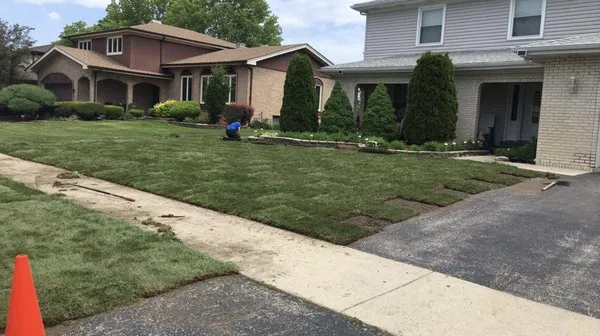
R.G Lawncare is a Burbank-based lawn and tree service provider dedicated to helping local homeowners maintain and improve their outdoor spaces. We offer comprehensive lawn care including mowing, sprin...
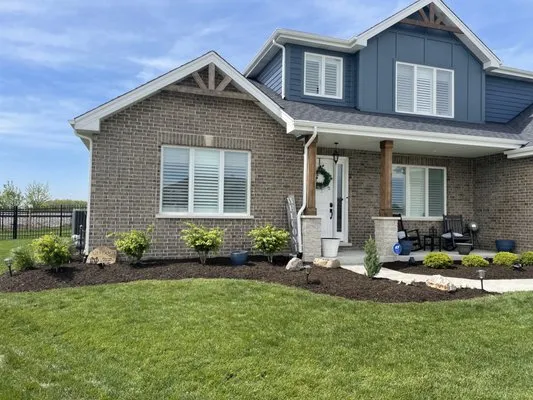
From the Ground Up Landscaping has been building beautiful and resilient outdoor spaces in Frankfort, IL, and the Chicagoland area since 2018. Founded on the principles of pride and effort, our team a...
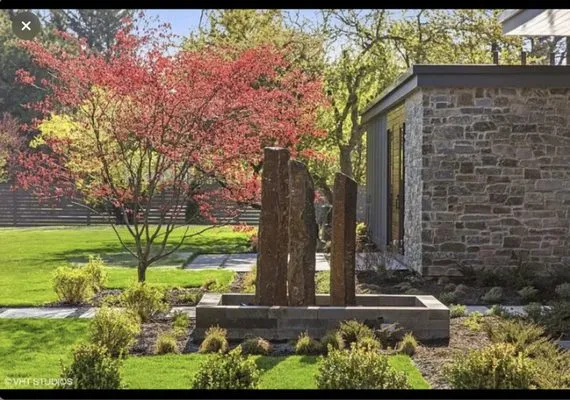
Evelyn & Natte's Hardscapes is a family-owned and operated landscaping and hardscaping business serving Waukegan and the greater Lake County area. With expertise in both softscape and hardscape servic...

R.C. Lawn Care & Snow Removal is a trusted, locally-owned provider serving South Holland, IL, and the surrounding area. We offer comprehensive landscaping, tree care, and snow removal services designe...
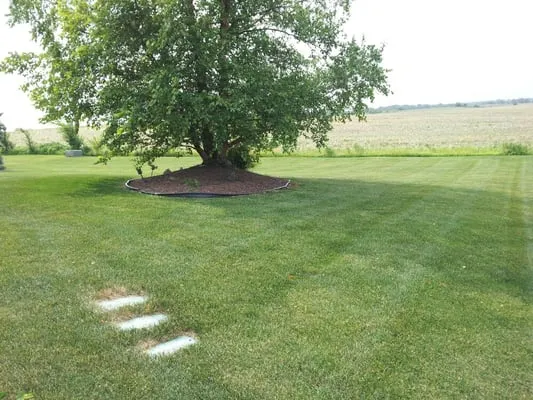
A&R Lawn Care has been a trusted partner for homeowners in Lockport, Homer Glen, and surrounding communities since 2007. With nearly a decade and a half of experience, we focus on providing reliable, ...
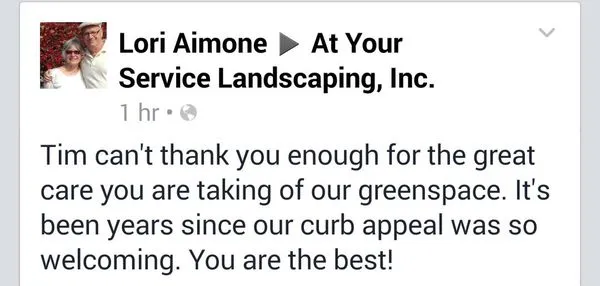
At Your Service Landscaping is your local Oak Forest partner for a healthier, more beautiful outdoor space. Founded in 2012 by Tim Barzowski, a Professional Landscaper and Oak Forest resident with a H...
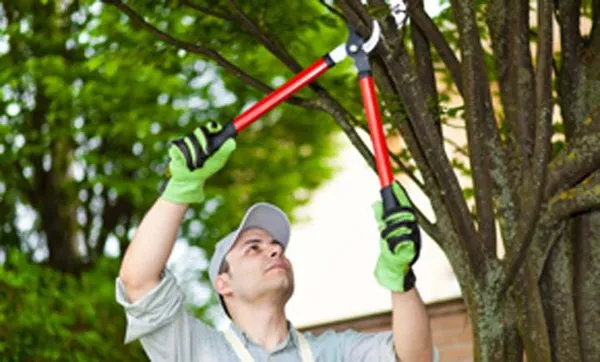
Jerry's Lawn, Landscape & Tree Care
Jerry's Lawn, Landscape & Tree Care has been serving Oak Lawn, IL, and surrounding communities like Evergreen Park, Palos Heights, and Palos Park since 1988. As a fully licensed and insured provider, ...
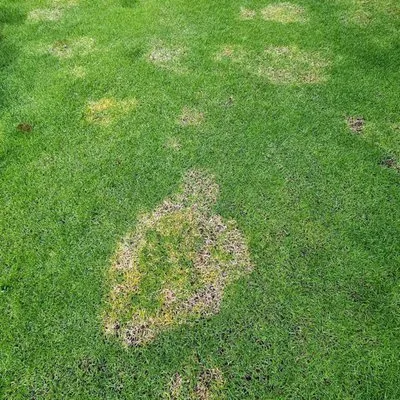
Glenview Lawn Care has been serving the Chicago community since 2012 with reliable, environmentally-conscious lawn care services. Our team combines horticultural expertise with a commitment to quality...
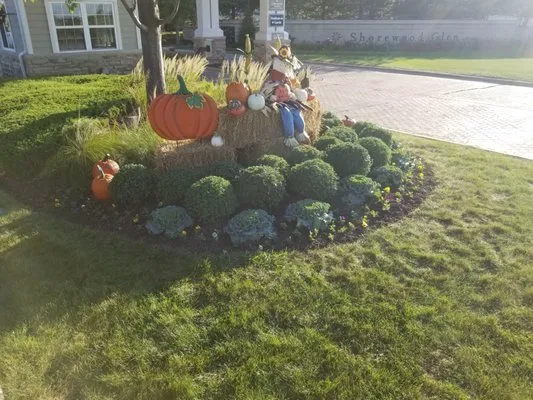
R & R Yard Design has been a trusted provider of landscaping and snow removal services for Northeast Illinois and Northwest Indiana for over 20 years. Based in Lansing, IL, we specialize in delivering...
Tholens' Landscape & Garden Center
Tholens' Landscape & Garden Center has been a trusted family-owned resource for Bourbonnais, IL, residents since 1976. We operate as a comprehensive greenhouse, garden center, florist, and gift shop, ...
Estimated Landscaping Service Costs in Palos Hills, IL
Questions and Answers
What permits and licenses are needed for grading work?
Grading a 0.22-acre lot in Palos Hills requires both municipal approval and professional licensing. The Palos Hills Building and Zoning Department issues permits for earth moving exceeding 50 cubic yards, with specific requirements for erosion control and final grade slopes. Contractors must hold Illinois Department of Financial and Professional Regulation licensing for landscape architecture or construction when modifying drainage patterns or altering more than 500 square feet of terrain. Unlicensed grading can violate municipal codes and create liability for downstream water issues.
How quickly can you respond to storm damage for HOA compliance?
Emergency cleanup crews dispatch from Moraine Valley Community College via I-294, reaching Indian Hills within 20-30 minutes during peak conditions. Our electric maintenance fleet operates within Palos Hills noise restrictions, allowing immediate response without violating the 7:00 AM start time. We prioritize safety assessments first, then debris removal using battery-powered equipment that meets local ordinance requirements while restoring property access.
Are concrete pavers better than wood for patio longevity?
Concrete pavers and decorative limestone offer superior durability in Palos Hills' freeze-thaw cycles, with 30+ year lifespans versus wood's 10-15 years. These materials maintain structural integrity without chemical treatments that can leach into soil. For properties with Low Fire Wise ratings, non-combustible hardscapes create defensible space while allowing proper water permeability. Properly installed with adequate base preparation, these materials withstand seasonal ponding without heaving or deterioration common with organic alternatives.
Why does my Palos Hills lawn struggle despite regular care?
Indian Hills properties built around 1977 have 49-year-old soil profiles with silty clay loam that has become compacted over decades. This soil type naturally restricts root penetration and water infiltration, creating a dense layer that limits oxygen exchange. Core aeration every 1-2 years is essential to break up compaction and improve soil structure. Incorporating organic amendments like composted leaf mold can gradually improve permeability while maintaining the pH 7.2-7.5 range typical for this neighborhood.
Should I worry about water restrictions affecting my lawn?
Palos Hills currently maintains Stage 0 water restrictions, but proactive management is essential for long-term turf health. Wi-Fi ET-based weather sensing irrigation calculates evapotranspiration rates specific to your microclimate, delivering precise moisture to Kentucky Bluegrass and Fine Fescue blends. This technology reduces water usage 30-40% compared to traditional timers while preventing the seasonal ponding common in clay soils. Municipal water conservation goals make this approach increasingly valuable as climate patterns shift.
What solutions exist for persistent yard flooding?
Seasonal ponding in Palos Hills results from high clay content that limits soil percolation rates to 0.06 inches per hour. Installing French drains with clean gravel and perforated pipe redirects subsurface water away from foundations. For hardscape areas, permeable concrete pavers with joint spacing filled with angular stone meet Palos Hills Building and Zoning Department runoff standards by allowing 4-8 inches per hour infiltration. These systems work with the existing silty clay loam rather than against its natural properties.
Can I reduce maintenance while supporting local ecology?
Transitioning from high-input turf to native plantings creates resilient landscapes that require minimal intervention. Purple Coneflower, Little Bluestem, Butterfly Milkweed, and Wild Bergamot establish deep root systems that improve soil structure and withstand drought periods. This approach reduces mowing frequency and eliminates gas-powered equipment use ahead of tightening noise ordinances. Native plant communities support 2026 biodiversity standards while providing year-round visual interest with less water and fertilizer input.
How do I manage invasive species without harming my lawn?
Common invaders like creeping Charlie and garlic mustard thrive in compacted silty clay loam, outcompeting desirable turf species. Mechanical removal during dry periods prevents soil disturbance that spreads rhizomes. For persistent issues, spot-treat with EPA-registered herbicides containing mesotrione, applying only during optimal growing conditions to avoid violating Illinois Lawn Care Products Application and Notice Act phosphorus limitations. Always check for blackout dates and consider soil temperature rather than calendar dates for treatment timing.
