Top Landscaping Services in Palos Heights, IL, 60462 | Compare & Call

There are 200 landscaping companies server in Palos Heights IL
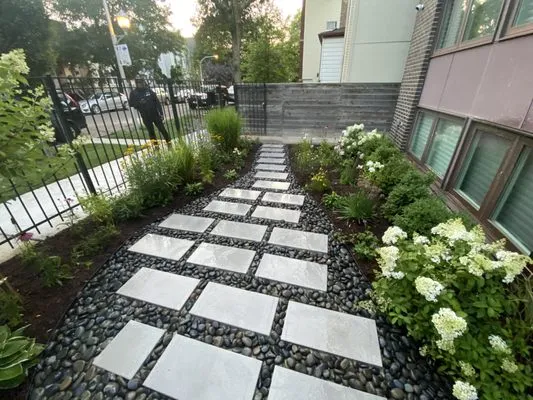
Dante's Native Landscape Services is a full-service landscaping and hardscaping company serving the greater Chicago area. We specialize in native landscaping, using plants naturally adapted to the Mid...
Rafael Landscaping is a full-service landscaping company serving Chicago and the surrounding areas. Owned and operated by Rafael, the business is built on providing reliable, quality work at a fair pr...
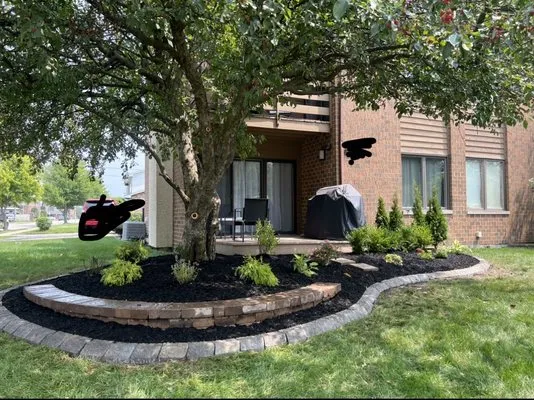
Santana's Landscaping
Santana's Landscaping is a family-owned business serving Burbank and the greater Chicagoland area for over 20 years. We specialize in creating beautiful, functional outdoor spaces tailored to your lif...
Based in Heights, IL, Juan's Landscaping & Junk Removal is your local solution for transforming outdoor spaces and clearing unwanted items. The team combines landscaping expertise with reliable haulin...
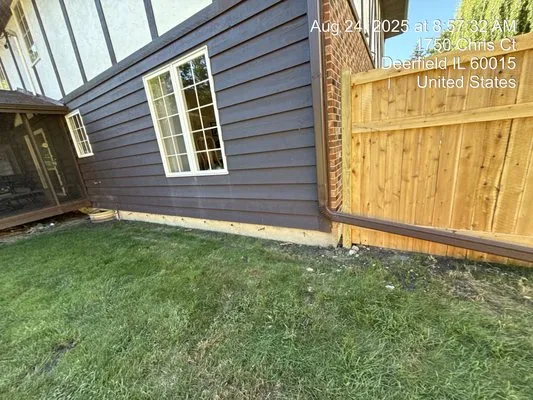
Cande Native Landscape is a Burbank-based lawn and snow removal service with over 25 years of experience specializing in native landscapes. We focus on sustainable practices like using native plants t...

Urban Garden Design is a Chicago-based landscaping company specializing in comprehensive solutions for urban outdoor spaces. We help local homeowners address common landscaping challenges like poor la...
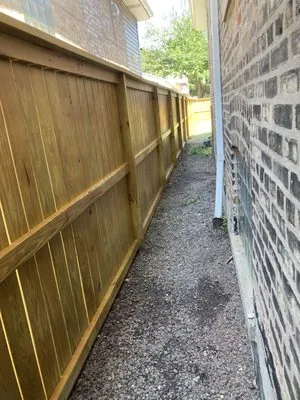
Garcia Landscaping and Construction is a fully licensed and insured family-owned business serving Chicago and the surrounding suburbs. We specialize in bringing your vision to life, from residential r...
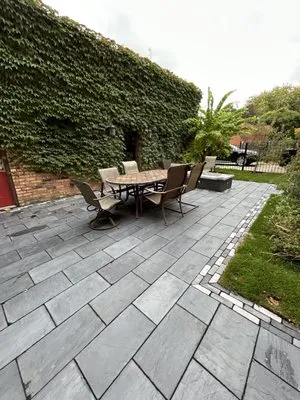
Azteca Brick Paving is a family-owned Chicago hardscaping and masonry business established in 1998 by Cesar Rios. With over 25 years of specialized experience in brick pavers and landscape constructio...
Sergio E Landscaping is a Chicago-based landscape architecture and design firm offering comprehensive services for residential and commercial properties throughout the city. Specializing in both creat...
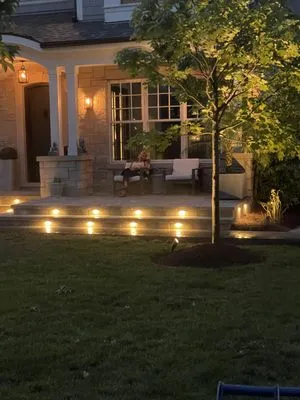
Manuel Brick Paving & Landscaping is a family-owned business that has been enhancing outdoor living in Waukegan and the North Shore since 2005. With over three decades of combined experience, we speci...
Estimated Landscaping Service Costs in Palos Heights, IL
Frequently Asked Questions
How quickly can you respond to storm damage for HOA compliance in Palos Heights?
Emergency cleanup crews dispatch from the Lake Katherine Nature Center area, taking I-294 to reach Old Palos neighborhoods within 25-40 minutes during peak conditions. This routing avoids local congestion while meeting noise ordinance restrictions between 7:00 AM and 9:00 PM weekdays. We prioritize electric equipment for immediate debris removal to maintain compliance with both HOA standards and municipal regulations during critical response windows.
What solutions exist for seasonal ponding in my clay-heavy yard?
Silty clay loam soils in Palos Heights have low permeability, causing surface water accumulation during heavy rains. Installing permeable concrete pavers with aggregate bases creates infiltration zones that meet Building & Planning Department runoff standards. French drains connected to dry wells provide subsurface drainage, while grading adjustments direct water away from foundations. These combined approaches reduce ponding by increasing soil percolation rates without requiring extensive regrading permits.
What permits and licenses are needed for grading my 0.35-acre lot?
Grading projects altering more than 100 square feet require permits from the Palos Heights Building & Planning Department to ensure proper drainage and erosion control. Contractors must hold active landscaping licenses through the Illinois Department of Financial and Professional Regulation, with additional certification for stormwater management on lots this size. The permit process verifies that grading plans direct water away from structures while maintaining positive drainage toward street systems. Unlicensed grading risks fines and may void property insurance during flood events.
Why does my Palos Heights lawn struggle with compaction and poor drainage?
Palos Heights lots in the Old Palos neighborhood average 49 years of development since 1977 construction, leading to mature silty clay loam soils with pH 7.2-7.8. This soil type naturally compacts over decades, reducing permeability and oxygen availability to root zones. Core aeration every 1-2 years combined with organic amendments like composted leaf mold addresses compaction while improving soil structure. The alkaline pH requires sulfur-based amendments for optimal turf health rather than standard lime applications.
Are permeable pavers better than wood for patio longevity?
Permeable concrete pavers offer 30+ year lifespans versus wood's 10-15 years in Palos Heights' freeze-thaw cycles. Their modular design accommodates ground movement without cracking, while permeability reduces runoff that contributes to local ponding issues. For properties near wildland-urban interfaces, non-combustible pavers maintain defensible space required by low Fire Wise ratings. The initial investment returns through reduced maintenance and compliance with evolving municipal infrastructure standards.
How do I maintain my Kentucky Bluegrass blend during Stage 1 water restrictions?
Wi-Fi ET-based weather sensing irrigation systems calculate evapotranspiration rates using local weather data to apply precise water volumes. This technology reduces water use 20-30% compared to traditional timers while preserving turf health during voluntary conservation periods. Programming deep, infrequent watering cycles at dawn minimizes evaporation loss and aligns with Palos Heights municipal guidelines. The system automatically adjusts for rainfall, preventing overwatering that exacerbates clay soil drainage issues.
How do I manage invasive species without violating fertilizer regulations?
Early detection of invasive plants like garlic mustard or buckthorn prevents establishment without chemical interventions. Manual removal during spring growth phases avoids phosphorus application bans under Illinois Nutrient Management Plans. For persistent infestations, targeted glyphosate spot treatments in fall minimize runoff risks while preserving native plant communities. Always consult the Lake Katherine Nature Center for identification assistance and treatment timing that aligns with local ecological calendars.
Can I reduce maintenance while supporting local ecology?
Replacing high-maintenance turf areas with native plantings like Purple Coneflower, Little Bluestem, and Prairie Dropseed creates resilient landscapes requiring minimal inputs. These species support pollinator populations while adapting to Zone 5b conditions without supplemental irrigation. Transitioning to electric maintenance equipment ahead of 2026 noise ordinance updates reduces operational noise and emissions. Native plant communities establish deeper root systems that improve soil structure and sequester carbon more effectively than traditional lawns.
