Top Landscaping Services in Palestine, IL, 62451 | Compare & Call

There are 9 landscaping companies server in Palestine IL
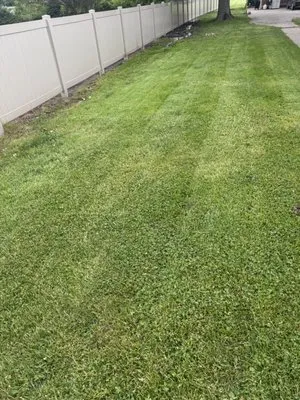
Greenwood Lawn Care is a dedicated local business serving Robinson, IL, and the wider Crawford County area. We provide reliable lawn and garden services, focusing on practical solutions for common loc...
Tohill's Lawn and Landscaping
Tohill's Lawn and Landscaping is your trusted, locally-owned partner for outdoor care in Palestine, IL. We specialize in resolving the common local landscaping challenges homeowners face, such as lawn...
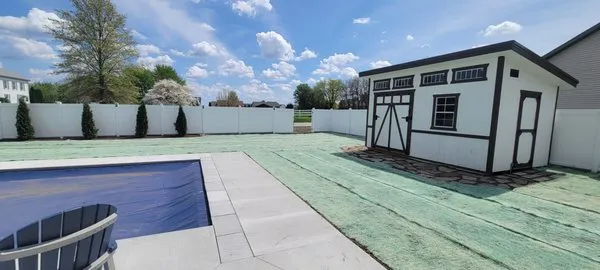
Little Mans Landscape and Excavation
Little Mans Landscape and Excavation is your local, full-service partner for outdoor projects in Hettick and the surrounding area. We build and maintain the landscapes that our neighbors enjoy, handli...

AIM Mobile Services is your trusted local handyman in Marshall, IL, ready to tackle your to-do list. We specialize in furniture assembly, disassembly, and repair, ensuring your new purchases are put t...
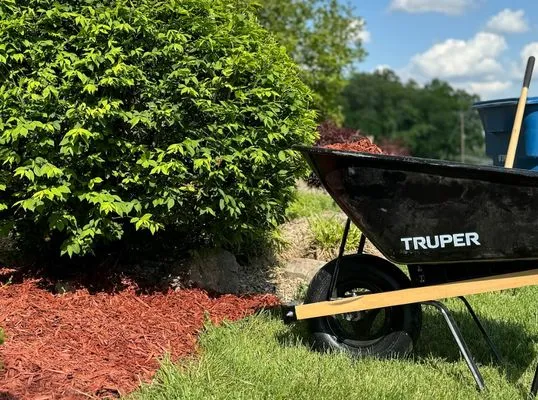
Freedom Lawn Care Services is your trusted local lawn care expert in Oblong, IL. We understand the common challenges local homeowners face, such as persistent sprinkler system leaks and poor lawn grad...
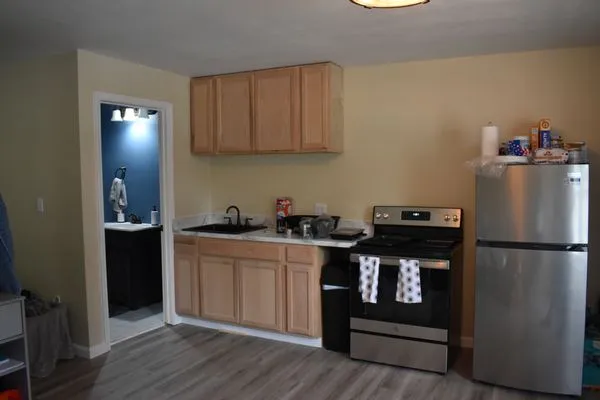
Rick's Jerk of All Trades
Rick's Jerk of All Trades in Robinson, IL, is a full-service handyman and contracting business ready to tackle your home projects. We believe no job is too big, too small, or too unusual. With a growi...
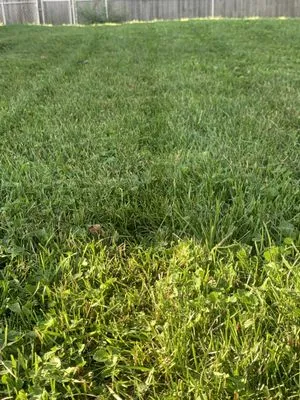
Johnson's Lawncare Service's & More is a trusted local lawn care provider serving Springfield, IL homeowners. We specialize in comprehensive lawn care services designed to address common local landsca...
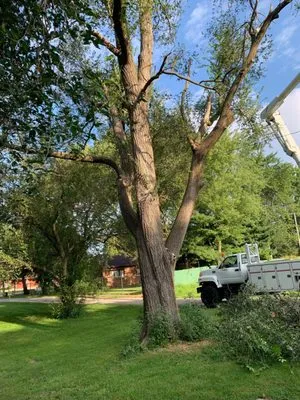
For over a decade, Mad About Trees has been the trusted name for tree health care in Lincoln, IL. We specialize in comprehensive tree care services, from professional removals and proper trimming to d...

Ashton's Lawn Care is a dedicated lawn care business serving Crawford County, Illinois, including the Robinson area. We focus on providing reliable and affordable lawn maintenance for both residential...
Estimated Landscaping Service Costs in Palestine, IL
Q&A
Can native plants reduce my maintenance costs and noise?
Transitioning from high-maintenance turf to Purple Coneflower, Butterfly Milkweed, Little Bluestem, and Wild Bergamot creates resilient landscapes requiring minimal inputs. These natives thrive in Zone 6a conditions with infrequent watering, eliminating weekly mowing and reducing gas-powered equipment use. This approach anticipates tightening noise ordinances on leaf blowers while supporting 2026 biodiversity standards through pollinator habitats.
Should I install smart irrigation with voluntary water conservation in place?
Smart Wi-Fi weather-sensing controllers optimize Kentucky Bluegrass and Tall Fescue blends by adjusting schedules based on real-time evapotranspiration data. These systems reduce water use 20-30% compared to traditional timers while maintaining turf health. In Palestine's voluntary conservation environment, this technology prevents overwatering during humid periods and ensures efficient delivery during drier spells, aligning with municipal water management goals.
Are concrete pavers better than wood for patio longevity?
Concrete pavers and crushed limestone offer superior durability to wood in Palestine's climate, with 25-30 year lifespans versus wood's 10-15 years with maintenance. These materials maintain structural integrity through freeze-thaw cycles while providing non-combustible surfaces that support Low Fire Wise ratings. Their permeability reduces runoff compared to solid concrete, and they require no chemical treatments that could leach into soil systems.
What solutions address seasonal pooling in my yard?
Silt loam's moderate runoff tendency combines with seasonal high water tables to create drainage challenges in Palestine. Permeable concrete pavers or crushed limestone installations increase surface infiltration rates by 40-60% compared to solid concrete. These materials meet Crawford County Zoning Department runoff standards while directing water away from foundations. French drains or dry wells may supplement hardscape solutions in severe cases.
Why does my Downtown Palestine lawn struggle despite regular care?
Properties in Downtown Palestine built around 1954 have 72-year-old soil systems where silt loam has become compacted over decades. This soil type naturally develops poor permeability, restricting root growth and water infiltration. Core aeration every 2-3 years is essential to break up compaction layers and incorporate organic amendments like compost. Without this intervention, even routine watering and fertilization yield diminishing returns as soil structure degrades.
How quickly can you respond to storm damage for HOA compliance?
Emergency cleanup crews dispatch from Leaverton Park via IL-33, maintaining 20-30 minute response times during peak storm events. This routing prioritizes arterial access while avoiding residential bottlenecks. Electric maintenance fleets operate within standard daytime hours (7 AM - 9 PM) to address fallen branches, debris clearance, and immediate safety hazards while meeting neighborhood noise ordinances.
What permits and licenses are needed for landscape grading work?
Grading on 0.25-acre lots in Palestine requires Crawford County Zoning Department approval for any elevation changes exceeding 6 inches. Contractors must hold Illinois Department of Agriculture licensing for earth moving operations, ensuring proper erosion control and drainage management. Unlicensed grading risks fines and may void property insurance if improper slopes contribute to foundation issues or neighbor drainage complaints.
How do I manage invasive species without chemical overuse?
Japanese knotweed and garlic mustard present particular risks in Palestine's silt loam soils. Manual removal during early growth stages prevents establishment without violating Illinois fertilizer ordinances regarding impervious surface applications. Targeted spot treatments using EPA-approved herbicides follow label instructions precisely, avoiding broadcast applications that could impact nearby natives. Regular monitoring catches invasions before they require extensive intervention.
