Top Landscaping Services in Orland Park, IL, 60448 | Compare & Call
There are 233 landscaping companies server in Orland Park IL
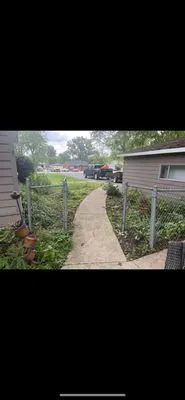
E-R-N Maintenance is a trusted lawn care provider serving Mokena, IL. Our team focuses on delivering reliable, personalized service for homeowners and businesses, using proven methods to create and ma...
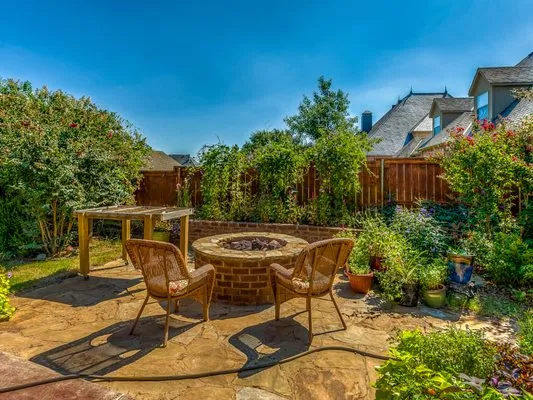
Premium Landscaping Company in Oak Forest, IL is a family-owned and operated business built on a decade of hands-on experience. Founded by Raul and his father Salvador, the company grew from a small f...

Cosme Landscape Maintenance has been a trusted name in Alsip since 1960, a true family business now led by Daniel Cosme. Building on the legacy started by his father, Daniel brings over 27 years of ha...
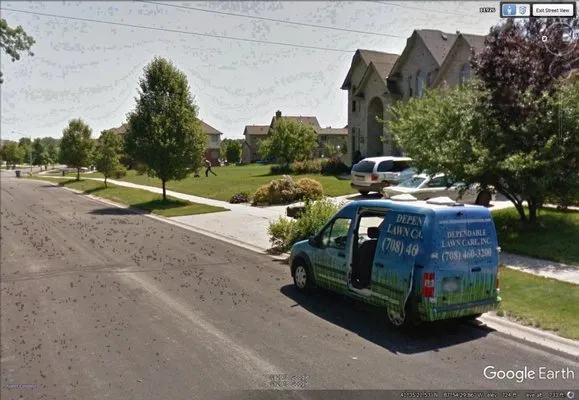
For over 40 years, Dependable Lawn Care, Inc. has been the trusted lawn care specialist for Blue Island and its neighboring communities, including Orland Park, Tinley Park, and Oak Lawn. Founded in 19...
Horizon Land & Hardscape is a locally owned and operated landscaping and hardscaping company serving Oak Lawn, IL, and the surrounding communities. Founded by Salvador, whose deep knowledge and passio...
Red Oaks Landscaping
Red Oaks Landscaping in Crestwood, IL, is a locally owned and operated business founded in 2010 by Rick and Michelle Rybarski. With Rick's decade of experience as a foreman in commercial maintenance a...
GTO Brothers Landscaping is a full-service landscaping company serving Harvey, IL, and the surrounding South Suburbs. We help homeowners create and maintain beautiful, healthy outdoor spaces through e...
Caleb Cuts is a trusted lawn care provider in Orland Park, IL, specializing in comprehensive lawn maintenance and cleanup services. We understand the specific challenges Orland Park homeowners face, s...
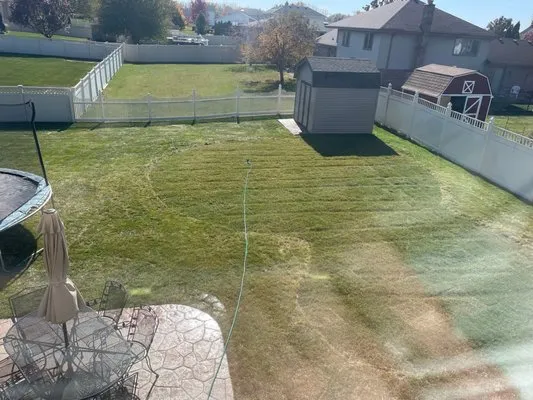
ExperiGreen Lawn Care is a Tinley Park-based lawn service provider specializing in custom solutions tailored to the Chicago area's unique environment. With over 400 years of combined experience, our l...
Mowtown Landscaping
Mowtown Landscaping is a trusted local service provider in Tinley Park, IL, specializing in pressure washing, lawn care, and window washing. We understand that Tinley Park homeowners often face common...
Estimated Landscaping Service Costs in Orland Park, IL
Question Answers
How do smart irrigation systems work with Orland Park's water restrictions?
Wi-Fi ET-based weather sensing irrigation calculates evapotranspiration rates using local weather data, applying water only when Kentucky Bluegrass and Tall Fescue blends actually need it. This technology maintains turf health while reducing water use by 20-40% compared to traditional timers. During Stage 1 voluntary conservation periods, the system automatically adjusts to stay within municipal guidelines. Proper programming accounts for silty clay loam's water retention characteristics, preventing runoff while meeting turf requirements.
Are concrete pavers and clay brick better than wood for outdoor spaces?
Concrete pavers and clay brick offer superior longevity with 25-50 year lifespans compared to wood's 10-15 year maintenance cycle. These materials maintain structural integrity in USDA Zone 5b freeze-thaw cycles while providing non-combustible surfaces that support Low Fire Wise ratings. Their thermal mass moderates microclimate temperatures around Old Orland homes. Unlike wood, they don't require chemical treatments that could leach into silty clay loam soils, making them ecologically preferable for urban interface zones.
Why does my Old Orland lawn have drainage issues and compacted soil?
Properties in Old Orland built around 1988 have soil that has matured for 38 years, developing the characteristic silty clay loam with pH 7.2-7.8. This soil type naturally compacts over decades, reducing permeability and creating poor infiltration zones. Core aeration with organic amendments like composted leaf mold is essential to improve soil structure and water movement. Without this intervention, heavy clay saturation becomes chronic, limiting root development for both turf and ornamental plantings.
What invasive species threaten Orland Park landscapes, and how are they managed?
Japanese knotweed and garlic mustard present significant invasive risks in USDA Zone 5b, outcompeting native vegetation in silty clay loam soils. Treatment involves targeted herbicide applications during active growth phases, carefully timed outside the statewide phosphorus application ban periods. Mechanical removal combined with mycorrhizae-enhanced soil amendments helps restore ecological balance. Regular monitoring prevents re-establishment while maintaining compliance with fertilizer ordinance restrictions that prohibit phosphorus except during new lawn establishment.
What solutions exist for poor drainage in heavy clay soils?
Silty clay loam in Orland Park requires integrated drainage solutions beginning with French drains or dry wells to intercept subsurface water. Permeable concrete pavers or clay brick installations with gravel bases increase surface infiltration rates by 50-80%. These hardscape choices meet Orland Park Development Services Department runoff standards while addressing chronic saturation issues. Combining subsurface drainage with amended soil profiles creates sustainable water management for 0.25-acre lots.
How can I reduce maintenance while supporting local ecology?
Replacing high-maintenance turf with Purple Coneflower, Little Bluestem, Butterfly Milkweed, and Wild Bergamot creates climate-adaptive xeriscaping that requires minimal irrigation. These native species support 2026 biodiversity standards while eliminating weekly mowing from May through October. Transitioning to electric maintenance equipment anticipates future noise ordinance restrictions on gas-powered blowers. Native plantings also reduce mulch requirements, aligning with mid-April peak mulching schedules through natural ground cover establishment.
What permits and licenses are needed for landscape grading projects?
Grading work on 0.25-acre lots requires permits from Orland Park Development Services Department to ensure proper drainage and erosion control. Contractors must hold landscape architecture or contractor licensing through the Illinois Department of Financial and Professional Regulation. These requirements address soil disturbance in silty clay loam that could affect neighboring properties' drainage patterns. Professional licensing ensures compliance with statewide phosphorus application bans and proper implementation of ET-based irrigation systems that meet water conservation standards.
How quickly can you respond to an emergency cleanup after a storm?
Emergency storm response from Centennial Park via I-80 typically requires 20-30 minutes during peak traffic conditions. This routing allows efficient access to Old Orland neighborhoods while accounting for debris clearance on major arterials. Our dispatch prioritizes HOA compliance issues involving fallen branches or blocked drainage paths. Coordination with Orland Park Development Services ensures proper debris disposal protocols are followed during rapid response operations.
