Top Landscaping Services in North Riverside, IL, 60141 | Compare & Call

There are 197 landscaping companies server in North Riverside IL
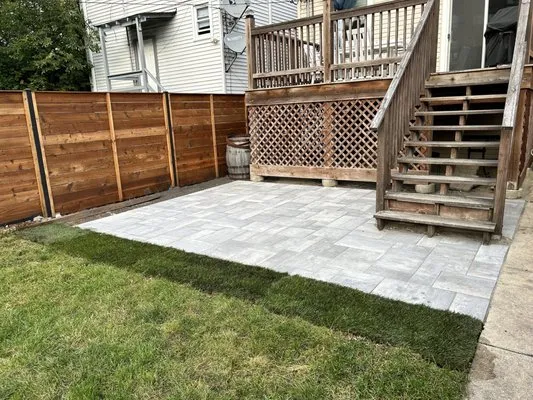
F. Gomez Landscaping has been transforming Chicago's outdoor spaces since 2007, founded by Federico and Kris with a focus on hardscaping using brick and natural stone. Starting with one designer, one ...
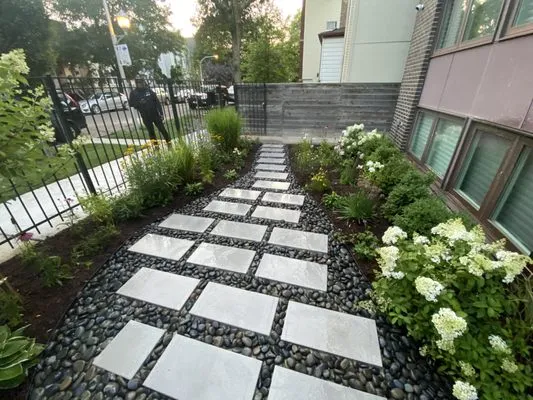
Dante's Native Landscape Services is a full-service landscaping and hardscaping company serving the greater Chicago area. We specialize in native landscaping, using plants naturally adapted to the Mid...
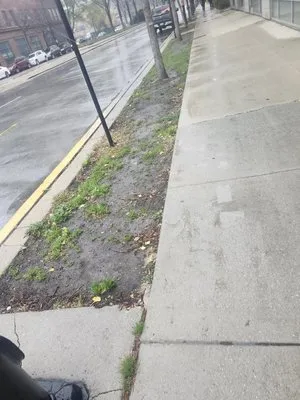
Rafael Landscaping is a full-service landscaping company serving Chicago and the surrounding areas. Owned and operated by Rafael, the business is built on providing reliable, quality work at a fair pr...
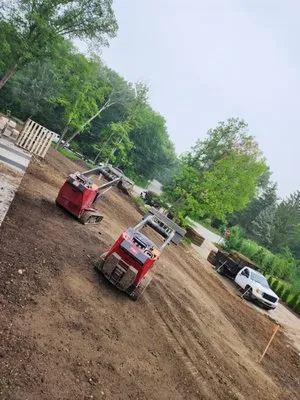
Dario Garcia Landscaping is a family-owned landscaping business serving Lyons, IL, and the Chicagoland Area since 2009. With over 15 years of experience, we specialize in landscape maintenance, design...
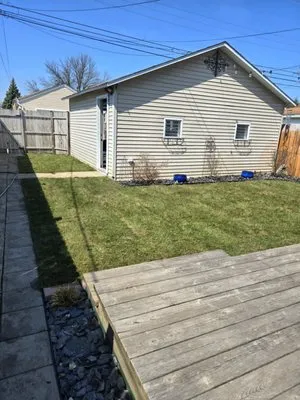
Midwest Plains Landscaping is a family-owned landscaping company serving Chicago, IL, since 2015. We specialize in comprehensive outdoor solutions including landscaping, snow removal, and masonry/conc...
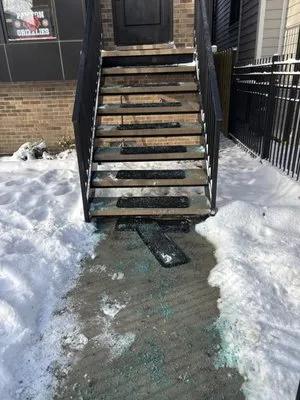
Outdoor Art Landscape & Construction is a locally owned and operated Chicago business with over 10 years of experience in landscaping, construction, and hardscape work. As the owner, I lead a dedicate...
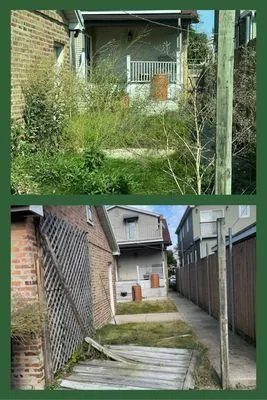
Chicago Landscaping INC is a locally owned and operated business founded in 2018, serving Chicago and its suburbs with a commitment to high-quality, dependable landscaping and hardscaping. Managed by ...
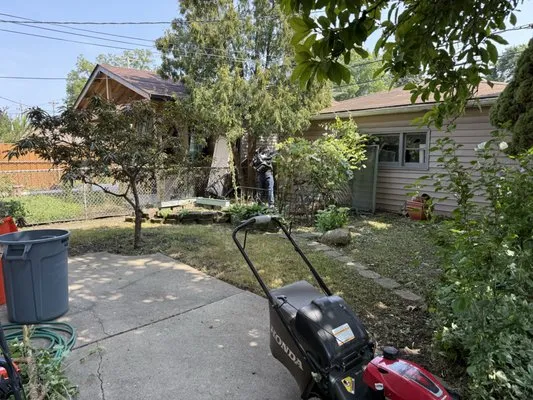
Landa's Landscaping LLC is a Chicago-based, family-owned company committed to transforming and maintaining outdoor spaces for homeowners and businesses across the city. We focus on reliable, detail-or...
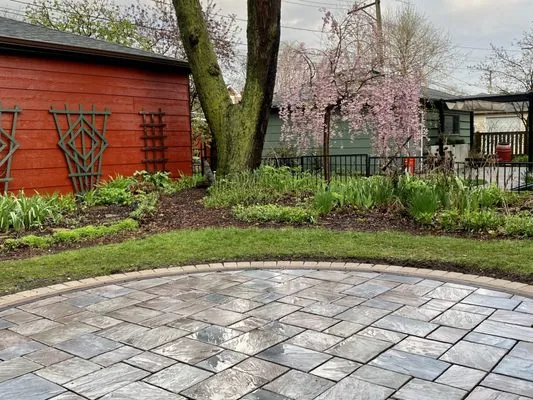
Taylor Made Landscape Design
Taylor Made Landscape Design brings a unique blend of horticultural expertise and personal passion to Chicago's outdoor spaces. As a Landscape Designer and Master Gardener with a degree in Horticultur...
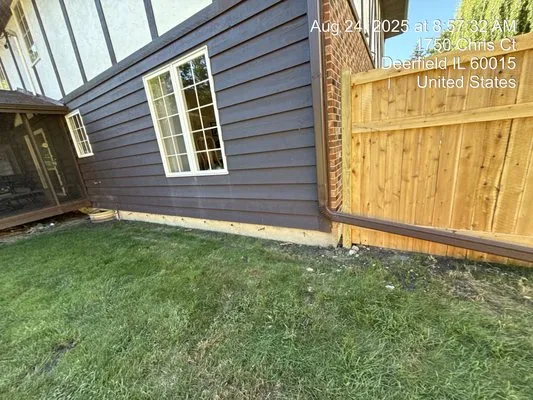
Cande Native Landscape is a Burbank-based lawn and snow removal service with over 25 years of experience specializing in native landscapes. We focus on sustainable practices like using native plants t...
Estimated Landscaping Service Costs in North Riverside, IL
Q&A
Why does my North Riverside yard have such dense, slow-draining soil?
North Riverside Residential District properties built around 1955 have 71-year-old soil profiles dominated by Mollisols - Silty Clay Loam. This soil type naturally compacts over decades, reducing permeability to 0.1-0.5 inches per hour. Core aeration every 2-3 years with organic amendments like composted leaf mold addresses the pH 7.2-7.8 alkalinity while improving soil structure. Without intervention, this mature soil profile restricts root development for both turf and ornamental plantings.
What solutions prevent seasonal pooling in clay-heavy yards?
Seasonal pooling in Silty Clay Loam soils requires improving permeability through strategic interventions. French drains with clean gravel and perforated piping redirect subsurface water, while dry creek beds with crushed limestone provide surface channeling. The North Riverside Building Department permits permeable clay paver installations that meet runoff standards by allowing 0.2-0.4 inches of water infiltration per hour. For severe cases, regrading with 2% slope away from foundations addresses the high clay content's natural water retention.
Are clay pavers better than wood for North Riverside patios?
Clay pavers offer superior longevity in Zone 6a's freeze-thaw cycles, maintaining integrity for 25+ years versus wood's 10-15 year lifespan with maintenance. Their thermal mass moderates temperature extremes while providing Firewise defensible space in low-risk urban environments. Crushed limestone bases beneath pavers improve drainage in clay soils, and when combined with permeable jointing sand, these installations manage runoff more effectively than solid concrete while complementing the neighborhood's architectural character.
How do smart irrigation systems work during Stage 1 water restrictions?
Wi-Fi ET-based weather sensing irrigation calculates evapotranspiration rates specific to North Riverside's Zone 6a climate. The system automatically adjusts runtime to deliver 1-1.5 inches weekly to Kentucky Bluegrass/Tall Fescue blends while staying within municipal water limits. During Stage 1 restrictions, these controllers prioritize deep, infrequent watering cycles that encourage deeper root growth and reduce overall consumption by 15-25% compared to traditional timer-based systems.
How quickly can you respond to storm damage for HOA compliance?
Emergency cleanup crews dispatch from North Riverside Park Mall via I-290 (Eisenhower Expressway) with 20-30 minute peak response times. Our electric maintenance fleet operates within noise ordinance restrictions (prohibited before 7:00 AM and after 9:00 PM) while addressing fallen limbs and debris. For time-sensitive HOA violations, we prioritize properties with safety hazards or visible street-front non-compliance, documenting conditions with geotagged photos for permit office submissions.
What licensing is required for grading my 0.19-acre property?
Grading work on 0.19-acre North Riverside lots requires Illinois Department of Agriculture Landscape Architect Registration Board certification for designs altering water flow patterns. The North Riverside Building Department permits regrading projects that move more than 50 cubic yards of soil or change existing drainage contours. Licensed professionals must document soil erosion control measures and demonstrate compliance with municipal runoff standards, particularly important in Silty Clay Loam soils where improper grading can create downstream pooling issues.
Can I reduce maintenance while preparing for electric equipment mandates?
Transitioning high-maintenance turf to native plantings like Purple Coneflower, Little Bluestem, Swamp Milkweed, and Wild Bergamot creates resilient landscapes requiring minimal intervention. These Zone 6a-adapted species survive on natural rainfall once established, eliminating weekly mowing and reducing irrigation needs by 60-80%. This approach future-proofs your landscape against evolving noise ordinances that increasingly restrict gas-powered equipment, while supporting 2026 biodiversity standards through pollinator habitat creation.
How do I manage invasive species without violating fertilizer regulations?
Invasive species like garlic mustard and buckthorn require targeted mechanical removal before seed set in early spring, coinciding with mid-April mulching season. The Illinois Phosphorus Fertilizer Ban prohibits phosphorus applications except for new lawn establishment, making organic amendments like mycorrhizae-inoculated compost essential for soil health. For persistent invasives, spot treatments with EPA-approved herbicides applied during dry periods avoid runoff concerns while respecting blackout dates for restricted chemicals in urban environments.
