Top Landscaping Services in North Barrington, IL, 60010 | Compare & Call
There are 188 landscaping companies server in North Barrington IL
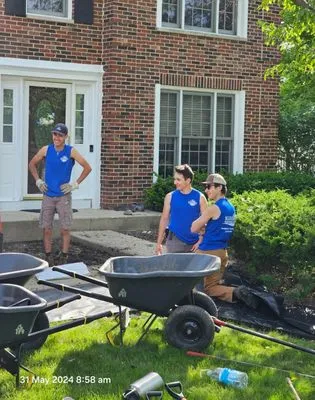
BlackRock Outdoor Living
BlackRock Outdoor Living is a full-service landscaping company based in Barrington, IL, serving the Greater Barrington Area including Palatine, Inverness, Lake Zurich, and Kildeer. Founded in 2018, we...
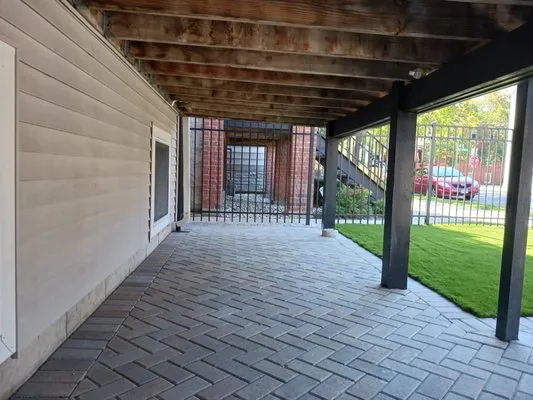
Rosas Landscaping & Ice Control is a trusted local business in Island Lake, IL, founded in 2020 by a team with a combined 23 years of hands-on experience in the field. We provide reliable, year-round ...
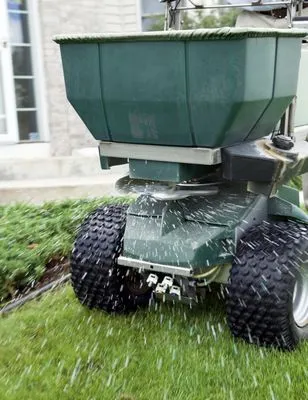
Acre Plus Management is your trusted local partner for comprehensive landscaping and tree care in Kildeer, IL. We specialize in keeping your property healthy and vibrant, addressing common local chall...
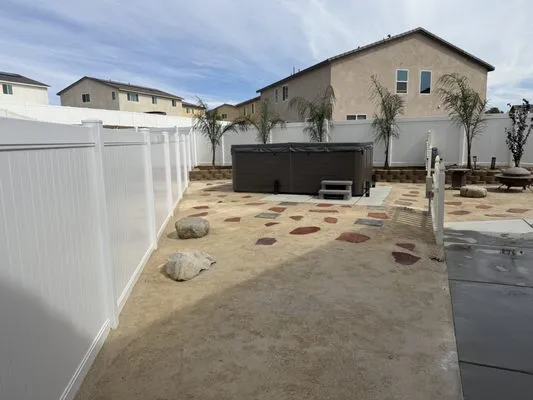
Evaristo Landscape Services is a family-owned, local landscaping business serving Elgin, IL, and the greater Chicago area. Founded on principles of reliability and value, our team of outdoorsy profess...
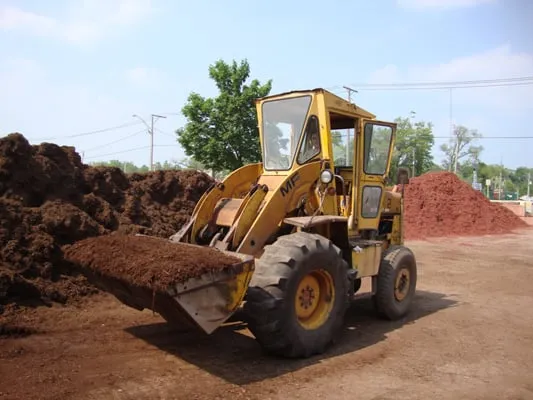
Behrens Landscaping, Inc. is a family-owned landscaping company that has been serving Palatine and the northwest suburbs since 1981. Founded by Michael and Carrie Behrens, we started as a landscape ma...
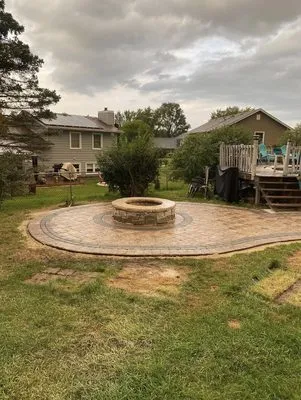
J.D. Enterprises is a full-service landscaping, snow removal, and tree care company serving Palatine, IL, and the surrounding areas. We specialize in comprehensive outdoor solutions including driveway...
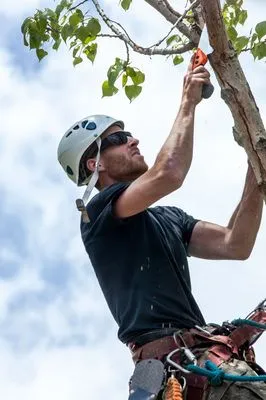
Absolute Tree Solutions is a family-owned tree service and landscaping company based in Palatine, IL, serving the Northwest Suburbs. With a passion for trees and landscapes, we combine extensive field...
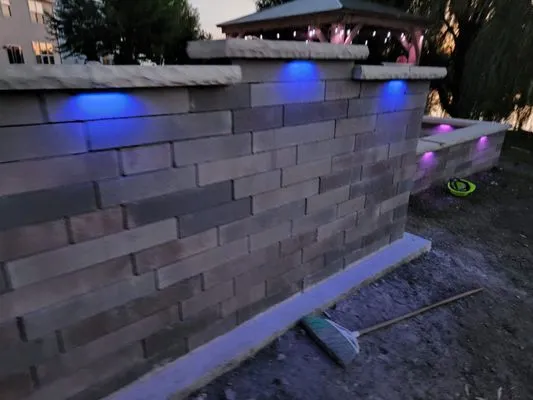
R and R Landscaping and Design is a trusted Kildeer-based company specializing in comprehensive landscaping and hardscaping solutions. We bring professional expertise and high-quality standards to eve...
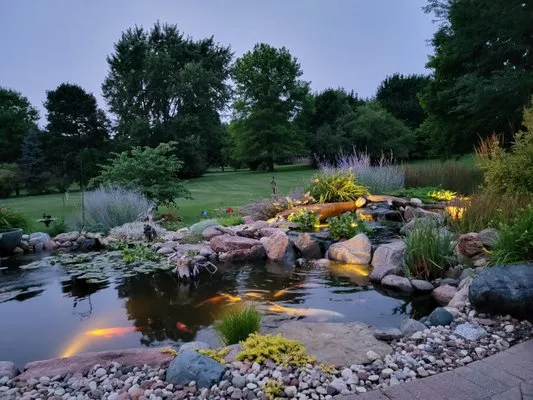
Aquastonia was founded in Hawthorn Woods from a personal passion for water features. After moving into a new home, founders Igor and his family discovered the joy and tranquility of their own backyard...
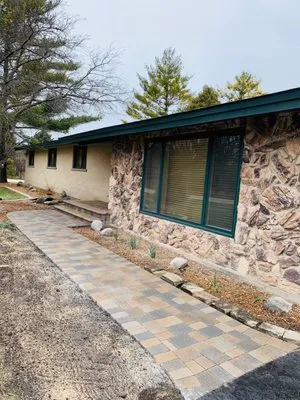
Boulder Landscaping in Wauconda, IL, is a full-service landscaping and hardscaping company founded in 2008 by Carlos Bueno, who brings over 30 years of industry experience. As a family-owned business,...
Estimated Landscaping Service Costs in North Barrington, IL
Question Answers
How do I maintain Kentucky Bluegrass during Stage 1 water restrictions?
Smart Wi-Fi ET-based controllers calculate evapotranspiration rates specific to North Barrington's Zone 5b climate. These systems integrate rain sensors to skip cycles after 0.25 inches of precipitation. Programming deep, infrequent watering at dawn reduces evaporation loss by 30% compared to midday cycles. This approach maintains turf health while staying within voluntary conservation guidelines through precise moisture management.
Why does my North Barrington lawn have drainage issues and compacted soil?
Honey Lake properties built around 1980 have 46-year-old soil profiles. Mollisols/silt loam soils in this neighborhood naturally compact over decades, reducing permeability to 0.5 inches per hour. Core aeration with 3-inch depth spacing introduces oxygen channels while incorporating composted organic matter improves water retention. This addresses the high seasonal water table by creating better infiltration pathways through the soil matrix.
Are permeable pavers better than wood for North Barrington patios?
Permeable concrete pavers withstand freeze-thaw cycles for 25+ years versus wood's 8-12 year lifespan in Zone 5b. Crushed limestone bases provide 40% void space for water infiltration, addressing drainage hazards. These materials maintain defensible space requirements for Moderate Fire Wise ratings by eliminating combustible organic matter near structures. The non-porous surface resists moss growth common in shaded Honey Lake properties.
What permits and licenses are needed for grading my 1.5-acre lot?
The Village of North Barrington Building Department requires erosion control plans for any disturbance exceeding 5,000 square feet. Illinois Department of Financial and Professional Regulation licensing ensures contractors understand silt fence placement and sediment basin engineering. Professional landscape architects must seal drawings showing how grading maintains natural drainage patterns toward Honey Lake watersheds. These requirements prevent downstream flooding and protect adjacent properties from runoff damage.
Should I replace high-maintenance turf with native plants?
Transitioning to Purple Coneflower, Little Bluestem, Swamp Milkweed, and Wild Bergamot reduces mowing frequency from weekly to twice annually. These deep-rooted natives access subsurface moisture, eliminating irrigation needs after establishment. Electric maintenance equipment meets noise ordinance requirements while supporting 2026 biodiversity standards. This approach creates habitat corridors connecting to Honey Lake Forest Preserve's existing ecosystems.
What solutions work for poor infiltration in silt loam soils?
High water tables in Mollisols require French drains with clean gravel bedding and perforated piping at 18-inch depth. Permeable concrete pavers installed with 2-inch joints filled with crushed limestone achieve 5-inch per hour infiltration rates. The Village of North Barrington Building Department requires these systems to manage runoff from 1.5-acre lots. Dry wells connected to downspouts provide additional storage capacity during spring saturation periods.
How quickly can you respond to storm damage for HOA compliance?
Emergency cleanup crews dispatch from Honey Lake Forest Preserve via IL-59 with 45-60 minute peak response times. We prioritize downed limbs blocking driveways and hazardous debris near structures. Electric equipment operates within North Barrington's 8:00 AM to 7:00 PM noise ordinance window. Documentation includes before/after photos for insurance claims and HOA verification of compliance standards.
How do I control invasive species without phosphorus fertilizer?
Japanese knotweed and garlic mustard require manual removal before seed set in early May. Spot treatment with glyphosate alternatives follows Illinois' phosphorus ban for non-agricultural turf. Soil testing determines if micronutrient deficiencies exist in the pH 7.0-7.5 range. Mycorrhizae inoculants boost native plant competitiveness while corn gluten meal provides pre-emergent weed control without violating fertilizer blackout dates.
