Top Landscaping Services in Niles, IL, 60714 | Compare & Call

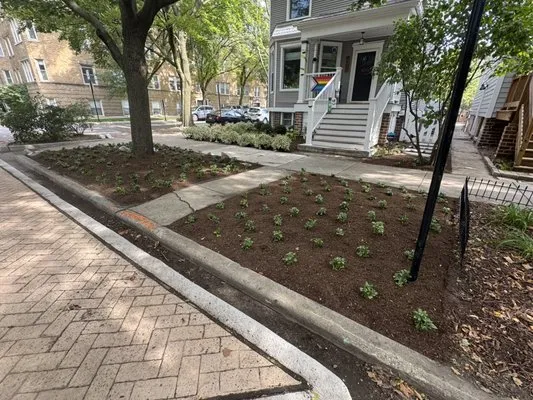
Adrian Landscape and Hardscape is a trusted, locally-owned landscaping company serving Niles, IL, and the surrounding communities. We specialize in creating and maintaining beautiful, functional outdo...

Mac Landscaping is a dedicated local service in Niles, IL, specializing in restoring the health and beauty of your outdoor space. We understand the common issues Niles homeowners face, such as unsight...
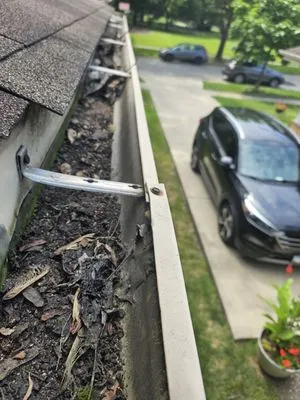
Tony's Landscaping is a trusted local landscaping company serving Niles, IL, specializing in comprehensive shrub care and landscape maintenance. We help Niles homeowners address common local issues li...
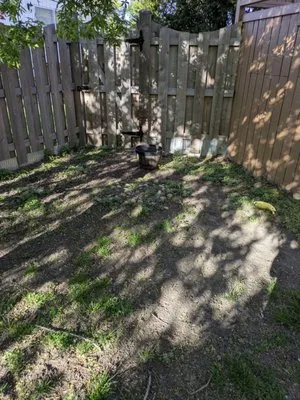
Sal's Landscaping is a full-service landscaping company serving Niles, IL, and the surrounding area. We specialize in transforming outdoor spaces with comprehensive services including landscape design...
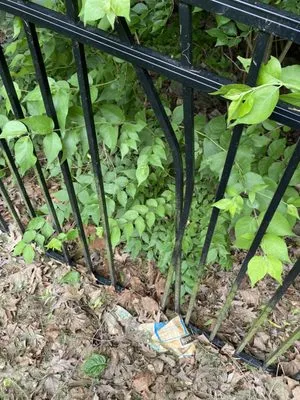
Chris' passion for landscaping began at age 13, a spark that led him to earn a B.S. in Civil Engineering from Iowa State University. He founded Chris' Landscape in 1996, incorporating the business in ...
Torcolese Landscaping is a dedicated, locally-owned landscaping company serving Niles, IL, and the surrounding communities. We understand the unique challenges homeowners face in our area, such as ove...
Speedex Janitorial & Maintenance Services
For over 15 years, Speedex Janitorial & Maintenance Services has been the trusted local partner for businesses, condo associations, and homeowners in Niles, IL. As a fully licensed, bonded, and insure...
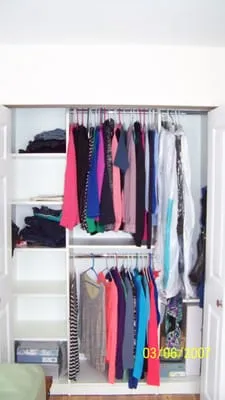
Three Brothers Construction
Three Brothers Construction is a family-owned, licensed and insured general contracting company serving Niles, IL since 2003. Founded by Ioan, who immigrated to America in 1984 seeking a better future...
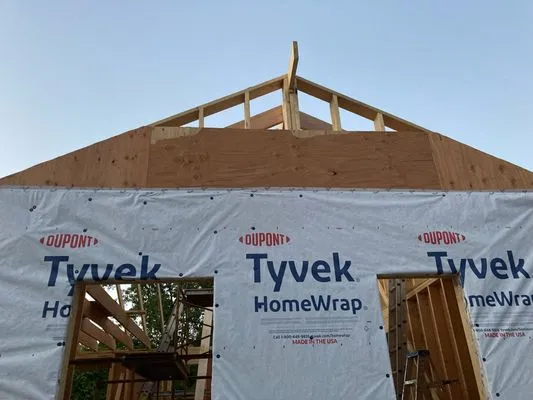
VAM Construction is a trusted Niles-based contractor specializing in landscaping and general construction services. We help homeowners address common local issues like standing water in yards and poor...
Bella Lawns is a trusted local landscaping company serving Niles, IL, dedicated to transforming outdoor spaces into healthy, vibrant landscapes. Many Niles homeowners face common issues like dead lawn...
Frequently Asked Questions
What solutions exist for seasonal ponding in my low-lying yard?
Moderate runoff in silty clay loam soils requires graded swales directing water toward permeable hardscape. Concrete pavers with polymer sand joints or clay brick with 1/4-inch spacing achieve 10-15% permeability rates, meeting Village of Niles runoff standards. For severe ponding, French drains with clean gravel and landscape fabric provide subsurface relief without altering lot grading significantly.
Can I reduce maintenance while preparing for electric equipment mandates?
Replacing 30-50% of turf with Purple Coneflower, Little Bluestem, Swamp Milkweed, and Wild Bergamot creates self-sustaining zones requiring no mowing or blowing. These natives establish deep root systems within 2 growing seasons, surviving on natural rainfall after establishment. This transition ahead of 2027 low-decibel standards eliminates gas equipment use while providing continuous bloom from May through October.
Are concrete pavers or wood better for longevity in our climate?
Concrete pavers and clay brick withstand freeze-thaw cycles for 25+ years versus wood's 8-12 year lifespan in Zone 5b. Both materials maintain Niles' low fire-wise rating by creating defensible space without combustible elements. Proper installation with 4-inch compacted gravel base and edge restraint prevents heaving and settling, while permeable options manage the 35+ inches of annual precipitation typical for our region.
Why does my Niles lawn have such poor drainage and compacted soil?
Niles City Center properties built around 1965 have 61-year-old soil profiles. Mollisols/silty clay loam soils naturally compact over decades, reducing permeability to 0.1-0.5 inches per hour. Core aeration every 2-3 years introduces oxygen channels while organic amendments like composted leaf mulch address pH 7.2 alkalinity that inhibits nutrient uptake. This combination improves soil structure without requiring complete replacement.
What invasive species threaten Niles landscapes and how are they managed?
Garlic mustard and Japanese knotweed present the highest risks, spreading rapidly through root systems and seed banks. Manual removal before seed set in early May prevents chemical dependence. For established invasions, targeted glyphosate applications follow Illinois Phosphorus Application Act guidelines, avoiding phosphorus unless soil tests indicate deficiency. We coordinate treatments outside blackout dates to protect pollinators and water quality.
How do I maintain Kentucky Bluegrass during Stage 1 water restrictions?
Wi-Fi ET-based weather sensing controllers adjust irrigation to actual evapotranspiration rates, typically reducing water use 20-30% while preserving turf health. These systems automatically skip cycles during rainfall and reduce runtime during cooler periods. For Niles' voluntary conservation stage, we program 0.75 inches weekly across 2-3 cycles, focusing on early morning applications to minimize evaporation loss and fungal pressure.
How quickly can you respond to storm damage for HOA compliance?
Emergency cleanup crews dispatch from Golf Mill Park via I-294 with 20-30 minute peak response times. We prioritize downed branches blocking driveways and hazardous debris before addressing cosmetic damage. Electric maintenance equipment operates within Niles' 7:00 AM-9:00 PM noise ordinance while meeting most HOA 48-hour cleanup requirements. Documentation includes timestamped arrival photos for insurance claims.
What permits and licenses are needed for grading my 0.19-acre property?
The Village of Niles Community Development Department requires grading permits for soil movement exceeding 2 cubic yards. Contractors must hold Illinois Department of Financial and Professional Regulation landscaping licenses for earthwork affecting drainage patterns. On 0.19-acre lots, even minor grading can impact neighboring properties, necessitating engineered plans when altering elevation by more than 6 inches or within 10 feet of property lines.
