Top Landscaping Services in New Lenox, IL, 60432 | Compare & Call

There are 189 landscaping companies server in New Lenox IL
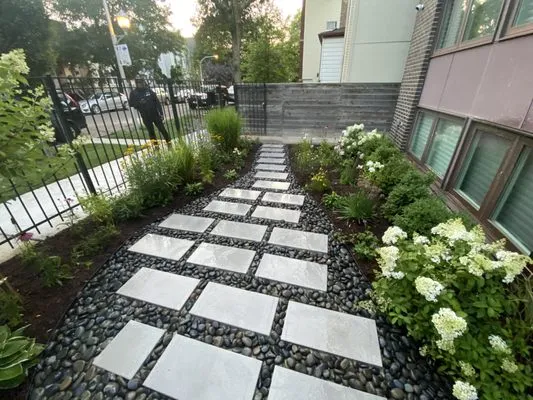
Dante's Native Landscape Services is a full-service landscaping and hardscaping company serving the greater Chicago area. We specialize in native landscaping, using plants naturally adapted to the Mid...

Rafael Landscaping is a full-service landscaping company serving Chicago and the surrounding areas. Owned and operated by Rafael, the business is built on providing reliable, quality work at a fair pr...
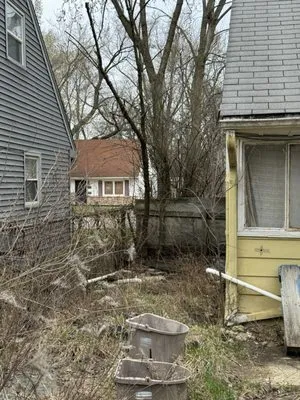
Based in Heights, IL, Juan's Landscaping & Junk Removal is your local solution for transforming outdoor spaces and clearing unwanted items. The team combines landscaping expertise with reliable haulin...
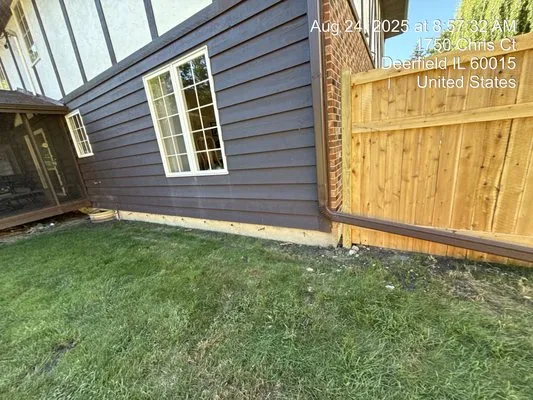
Cande Native Landscape is a Burbank-based lawn and snow removal service with over 25 years of experience specializing in native landscapes. We focus on sustainable practices like using native plants t...
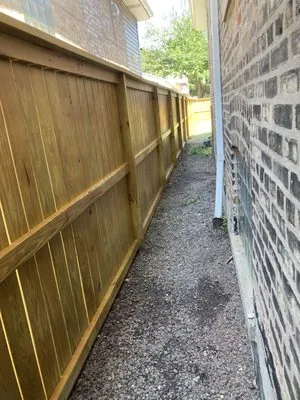
Garcia Landscaping and Construction is a fully licensed and insured family-owned business serving Chicago and the surrounding suburbs. We specialize in bringing your vision to life, from residential r...
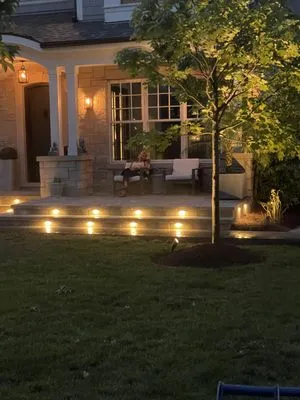
Manuel Brick Paving & Landscaping is a family-owned business that has been enhancing outdoor living in Waukegan and the North Shore since 2005. With over three decades of combined experience, we speci...
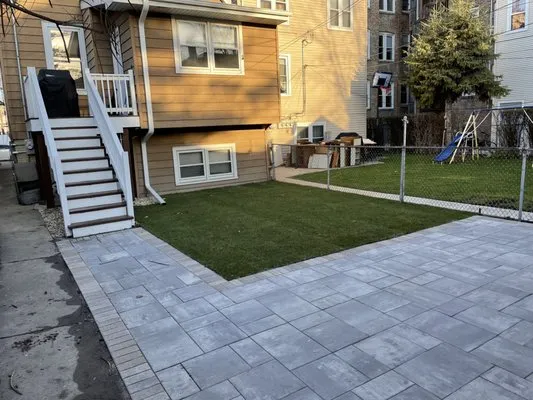
R.A.M. Landscape & Patio Design is a family-owned and operated landscaping business serving Chicago with over 15 years of experience. We specialize in transforming outdoor spaces through comprehensive...
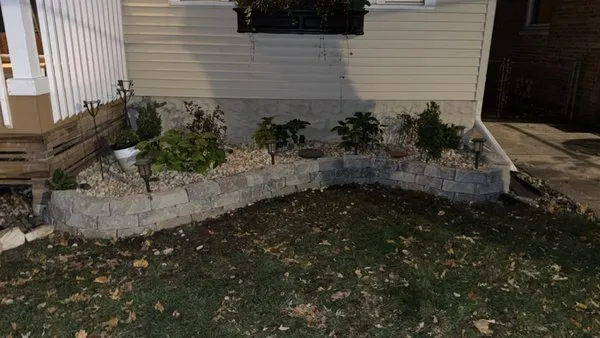
J.E.M. Landscaping is a Chicago-based company dedicated to helping homeowners realize their vision for their property. Our approach starts with listening to your goals, whether it's creating a beautif...

Mariani Landscape is a family-owned landscaping company serving Lake Bluff and the greater Chicagoland area since 1958. Founded by Vito Mariani, an Italian immigrant who started with garden maintenanc...
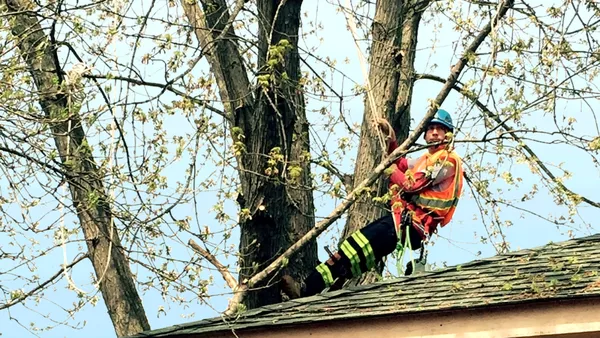
Adolfo Tree Services is a family-owned and operated business serving Carpentersville and the greater Chicagoland area since 2015. Founded by Alma and Adolfo Arriola, the company began with dedication ...
Estimated Landscaping Service Costs in New Lenox, IL
Questions and Answers
We're adding a patio. Why choose clay brick and limestone over wood composite here?
Clay brick and limestone offer superior longevity and lower lifecycle maintenance in our climate. They are non-combustible, which contributes to a defensible space—a consideration even in New Lenox's low Fire Wise rating zone. Unlike wood or composite, these materials do not warp, rot, or require sealing. Their thermal mass moderates temperature, and when installed with permeable techniques, they significantly improve site drainage compared to solid concrete slabs, addressing a primary local soil challenge.
We want to regrade our backyard for better drainage. What permits and contractor credentials are required?
Regrading that alters water flow or involves significant cut/fill typically requires a permit from the New Lenox Building and Zoning Department. For a 0.35-acre lot, the scope likely necessitates hiring a licensed professional. Ensure your contractor holds the appropriate license from the Illinois Department of Financial and Professional Regulation, such as a Roofing or General Contractor license, which covers earthmoving and drainage work. This protects you from liability and ensures the work meets municipal erosion control and grading standards.
We have persistent standing water after rain. What's the root cause and fix for our yard?
The root cause is the dense glacial till beneath your silty clay loam soil, which creates a classic 'perched water table' and severely limits infiltration. Solutions involve redirecting water flow. Installing a French drain system or dry creek bed can capture and move water. For new hardscapes, specify permeable clay brick pavers or open-joint limestone set on a gravel base; these designs often meet the New Lenox Building Department's updated stormwater runoff standards by allowing water to percolate through.
How can we keep our Kentucky Bluegrass lawn healthy during voluntary water conservation?
Smart Wi-Fi ET-based irrigation controllers are the solution. They automatically adjust watering schedules by using local evapotranspiration data, applying water only when and where the turf needs it. This technology can reduce water use by 20-30% while maintaining turf health, keeping you well within Level 1 voluntary conservation guidelines. Properly programmed, these systems prevent overwatering, which is particularly crucial for your soil's poor infiltration rate.
We've spotted invasive garlic mustard and buckthorn. How do we treat it without harming everything else?
For garlic mustard, manual removal before seed set is most effective. For established buckthorn, targeted cut-stump treatment with a glyphosate-based herbicide applied directly to the fresh stump in late fall is recommended. Both methods minimize collateral damage. Crucially, these actions do not involve soil-applied fertilizers, so they comply fully with the Illinois Phosphorus Application Act. Always dispose of invasive plant material in landfill-bound bags to prevent re-seeding.
We're tired of weekly mowing and gas blower noise. Is there a lower-maintenance, quieter alternative?
Transitioning high-maintenance turf to a native plant community is the definitive solution. Species like Purple Coneflower, Little Bluestem, and Wild Bergamot are adapted to USDA Zone 5b, require no fertilization, and are deeply drought-resistant. Once established, they need only an annual cut-back, eliminating weekly mowing and gas blower use. This proactively aligns with evolving noise ordinances and supports 2026 biodiversity goals by providing essential habitat for pollinators and local fauna.
Our soil seems compacted and lifeless. What's the story behind it in Bentley Estates?
New construction in the late 1990s, common in this area, typically strips and heavily compacts the topsoil. Your property, like many in Bentley Estates, sits on dense glacial till with a silty clay loam base. After nearly 30 years of maturation, this soil still suffers from poor structure and low organic matter, leading to the compaction you observe. Annual core aeration and top-dressing with composted organic matter are critical to rebuild soil biology and improve permeability.
A storm damaged several trees and our HOA issued a compliance notice. How quickly can you respond?
We can dispatch a crew for emergency cleanup within your notification window. Our protocol routes from the New Lenox Village Commons staging area directly to Bentley Estates via I-80, ensuring a 20-30 minute arrival during peak response times. We prioritize safety and HOA compliance, using electric chippers and hand tools to begin immediate debris management, which aligns with local noise ordinances restricting gas-powered equipment before 7 AM.
