Top Landscaping Services in Naperville, IL, 60440 | Compare & Call

There are 216 landscaping companies server in Naperville IL
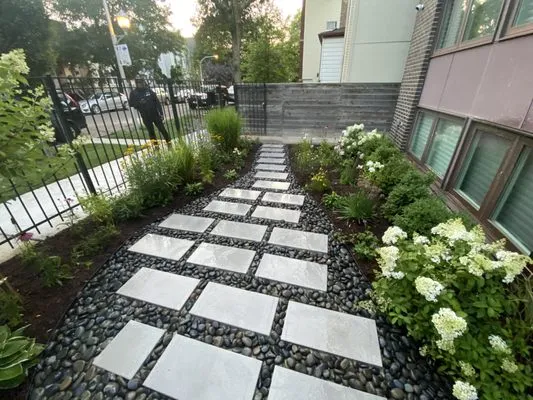
Dante's Native Landscape Services is a full-service landscaping and hardscaping company serving the greater Chicago area. We specialize in native landscaping, using plants naturally adapted to the Mid...
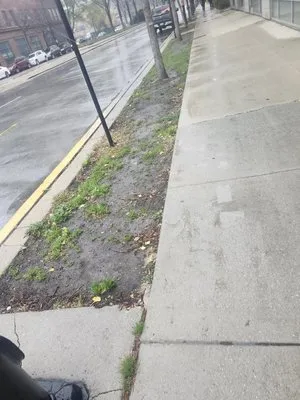
Rafael Landscaping is a full-service landscaping company serving Chicago and the surrounding areas. Owned and operated by Rafael, the business is built on providing reliable, quality work at a fair pr...
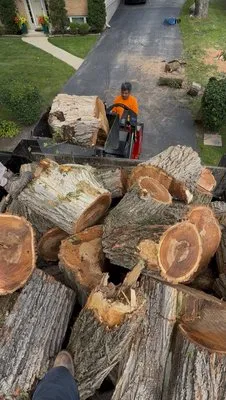
J & C Landscaping is a trusted, locally owned lawn and tree care company serving Westmont and the surrounding suburbs. We specialize in comprehensive lawn care and expert tree services, from planting ...
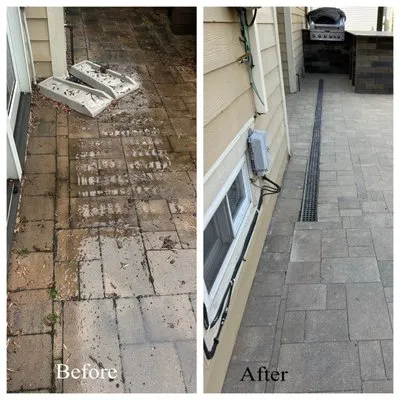
Julio's Services is a family-owned landscaping and snow removal company serving Warrenville, IL, and surrounding areas since 2006. We specialize in comprehensive yard solutions, from earthmoving and r...
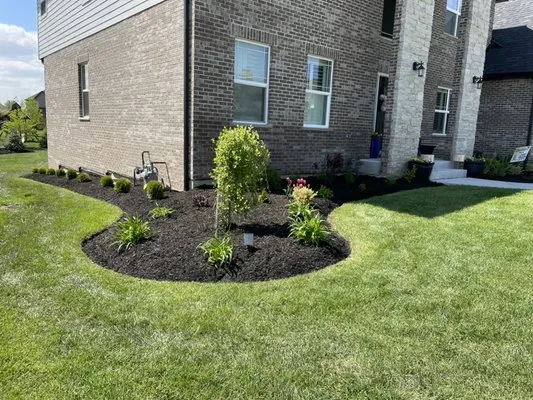
Dirty Deed's Lawn & Landscaping, LLC was founded in Joliet in 2015 by Adam Nichols, a University of Illinois Champaign-Urbana Landscape Architecture graduate. With over 10 years of industry experience...
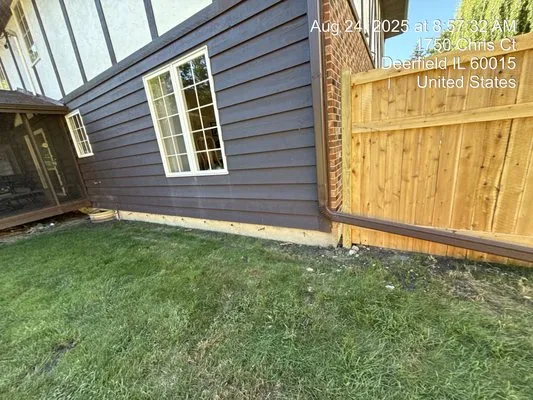
Cande Native Landscape is a Burbank-based lawn and snow removal service with over 25 years of experience specializing in native landscapes. We focus on sustainable practices like using native plants t...
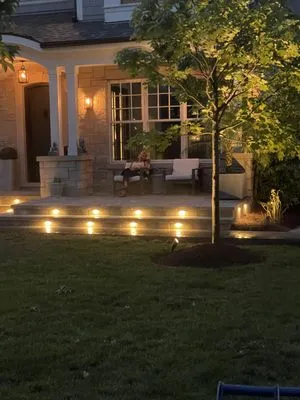
Manuel Brick Paving & Landscaping is a family-owned business that has been enhancing outdoor living in Waukegan and the North Shore since 2005. With over three decades of combined experience, we speci...
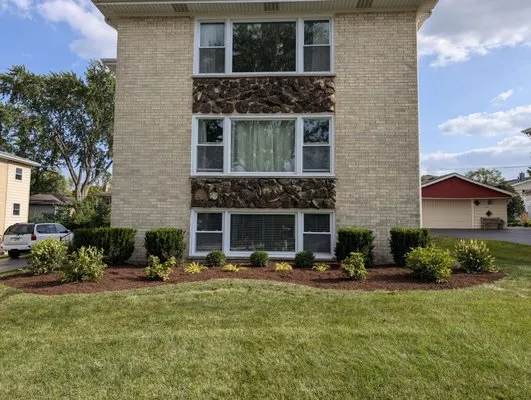
1st Impressions
1st Impressions Landscaping has been enhancing outdoor spaces in Downers Grove and the Western Suburbs since 1992. As a lifelong resident of the area, the owner understands the specific needs of local...
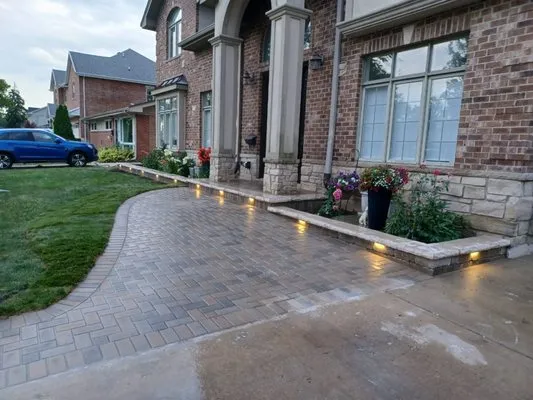
Unikstone Hardscape is a Chicago-based, full-service landscaping and masonry contractor dedicated to transforming outdoor spaces with skill and precision. We specialize in creating durable, beautiful ...
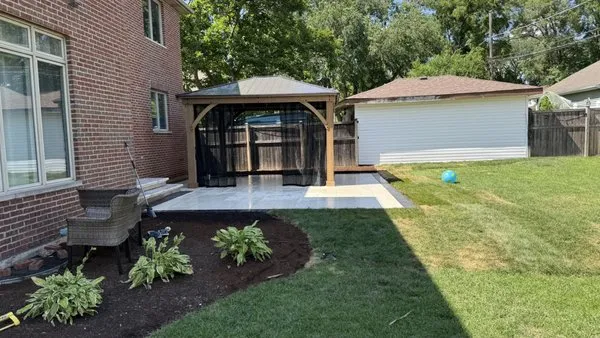
Madrid's Landscaping is a licensed, full-service landscaping company serving Lombard, IL, and the surrounding 20-mile area. We specialize in comprehensive landscape design, construction, and maintenan...
Estimated Landscaping Service Costs in Naperville, IL
Q&A
What are the biggest invasive weed threats here, and how do I deal with them safely?
Garlic mustard and creeping Charlie are prevalent invasive species in Naperville that outcompete native flora. Manual removal is most effective for small infestations. For broader control, targeted post-emergent herbicide applications in fall are most effective. All treatments must comply with the local fertilizer ordinance, which prohibits phosphorus application unless a soil test confirms a deficiency. Proper timing avoids harming desirable plants and prevents soil contamination.
I'm tired of weekly mowing and gas blower noise. Are there lower-maintenance options?
Replacing high-input turf areas with a palette of native plants like Purple Coneflower, Little Bluestem, and Prairie Dropseed drastically reduces maintenance. These deep-rooted perennials require no mowing, minimal watering once established, and support local pollinators. This transition aligns with evolving noise ordinances and prepares your property for potential future restrictions on gas-powered equipment. It also builds a more resilient and biodiverse landscape suited to Zone 5b.
What permits and credentials should I verify before hiring someone for major grading work?
Any significant alteration of drainage or elevation on a 0.25-acre lot typically requires a grading permit from the Naperville Transportation, Engineering & Development (TED) Department. The contractor must hold appropriate licensing through the Illinois Department of Financial and Professional Regulation. Verifying this protects you from liability and ensures the work meets municipal codes for erosion control and stormwater management, which are critical given the local soil conditions.
My yard pools water after every rain. What's a lasting solution for this heavy clay soil?
Drummer Silty Clay Loam has very poor infiltration, leading to persistent saturation. The primary solution is installing a subsurface drainage system, such as French drains, to intercept and redirect water. For new hardscapes, specifying permeable base materials under clay brick pavers or limestone can increase surface permeability. Any significant regrading or drainage work must meet the Naperville TED Department's stormwater runoff standards to be effective and permitted.
How quickly can you respond for an emergency tree limb cleanup to meet HOA compliance deadlines?
For urgent storm response in the Historic District, crews dispatch from the Centennial Beach area. Using the I-88 corridor allows for a peak travel time of 20-30 minutes. We coordinate all emergency cleanups within the city's noise ordinance window of 7:00 AM to 9:00 PM. This routing and scheduling ensure timely debris removal and documentation for HOA compliance without violating local ordinances.
Can I have a green lawn while following Naperville's voluntary water conservation guidelines?
Yes, using Wi-Fi ET-based weather-sensing controllers is the precise method for conservation. These systems adjust irrigation in real-time based on local evapotranspiration data, applying water only when the Kentucky Bluegrass and Tall Fescue blend actually needs it. This technology often reduces water use by 20-30% compared to standard timers, keeping turf healthy within Stage 1 voluntary limits. Properly programmed, it prevents the overwatering that exacerbates clay soil saturation.
Are clay brick pavers a better long-term choice than wood for a new patio?
Clay brick pavers and limestone offer superior longevity and minimal maintenance compared to wood, which requires regular sealing and replacement. These materials provide excellent durability for Naperville's freeze-thaw cycles. While the local Fire Wise rating is low, non-combustible hardscapes inherently contribute to defensible space. Their permeability, when installed correctly, also assists with managing the site's drainage challenges more effectively than solid concrete.
Why does my established lawn in the Historic District have such poor drainage and thin grass?
Homes built around Naperville's 1989 average were often graded with heavy subsoil compaction, a common practice at the time. After 37 years, the native Drummer Silty Clay Loam has become severely compacted, reducing permeability and root penetration. Core aeration and top-dressing with composted organic matter are necessary to rebuild soil structure, increase oxygen flow, and support a healthy rhizosphere. This addresses the legacy compaction that limits water infiltration and turf vigor in older neighborhoods.
