Top Landscaping Services in Mount Vernon, IL, 62864 | Compare & Call


Copple's Landscaping is a trusted Mount Vernon, IL landscaping company specializing in landscape design and maintenance. We help local homeowners and businesses create beautiful, functional outdoor sp...
Keen Hardscapes is a trusted Mount Vernon, IL, business specializing in landscaping and masonry/concrete services. We help local homeowners and businesses address common issues like dead lawn areas an...
A&S Lawn Care is a trusted local provider of comprehensive lawn care services in Mount Vernon, IL. We understand the common landscaping challenges faced by homeowners in our area, such as irrigation t...
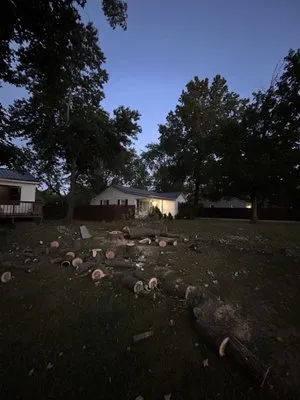
JAKD Lawn Care is a trusted, locally-owned provider of comprehensive lawn and tree services in Mount Vernon, IL. We specialize in lawn care, tree pruning, trimming, and removal, helping homeowners mai...
Michael & Tyler's Mowing Business
Michael & Tyler's Mowing Business is a family-owned landscaping company serving Mount Vernon, IL and surrounding areas with over 10 years of experience. We specialize in landscape design, maintenance,...
Pro Exteriors in Mount Vernon, IL, is a trusted local landscaping company dedicated to solving common outdoor challenges faced by homeowners in the area. Many Mount Vernon properties struggle with yar...
Mondo's Pressure Washing Gutter Cleaning and Lawn Service
Mondo's Pressure Washing, Gutter Cleaning, and Lawn Service is your dedicated local partner for a healthier, more attractive property in Mount Vernon. We specialize in comprehensive lawn care that dir...
CSJ-USA Tree Service is a trusted, locally-owned landscaping provider serving Mount Vernon and the surrounding Jefferson County area. We understand the unique challenges local homeowners face, includi...

Jbz Lawncare & Small Engine Repair
Jbz Lawncare & Small Engine Repair has been a trusted local provider in Mount Vernon, IL, for over two decades, combining extensive experience with a commitment to family-friendly service. With 20 yea...
All Around Outdoorsmen is your trusted, local outdoor service provider in Mount Vernon, IL, specializing in year-round lawn care and reliable snow removal. We understand the unique challenges of South...
FAQs
Is there a lower-maintenance, eco-friendly alternative to my traditional lawn?
Yes, transitioning sections of high-maintenance turf to a native plant community is a forward-thinking strategy. Species like Purple Coneflower, Butterfly Milkweed, Little Bluestem, and Wild Bergamot are adapted to Zone 6b and require no fertilization, minimal watering, and no weekly mowing. This approach reduces fuel consumption for maintenance equipment, aligning with evolving municipal noise ordinances that may restrict gas-powered blowers and mowers.
What invasive species should I watch for, and how do I control them safely?
Be alert for invasive plants like Japanese knotweed, garlic mustard, and bush honeysuckle, which outcompete natives. Manual removal is best for small infestations. For larger areas, targeted herbicide application by a licensed professional is necessary, with strict adherence to label instructions and Illinois phosphorus application restrictions near waterways. Treatments are timed outside of blackout dates to protect local watersheds from nutrient runoff.
Are concrete pavers a better choice than wood for a new patio?
Concrete pavers offer superior longevity and lower lifetime maintenance compared to wood, which requires regular sealing and is susceptible to rot. In Mount Vernon's moderate Fire Wise rating zone, pavers also provide a non-combustible, defensible space material immediately adjacent to the home. Their modular design allows for excellent drainage and can be reset if future utility access is needed, adding long-term value and resilience.
Why does my Highland Park lawn struggle, and what can I do about it?
Mount Vernon's Highland Park neighborhood was primarily developed around 1967, giving soils nearly 60 years to compact under routine maintenance. Your silt loam soil, with a pH of 6.2-6.8, naturally has fine particles that reduce permeability over time. This history leads to poor root development and water infiltration. Core aeration in early fall, followed by top-dressing with compost, is critical to rebuild soil structure and organic matter for long-term health.
How can I keep my Tall Fescue healthy if water restrictions come back?
Mount Vernon is currently in Stage 0, but proactive water management is essential. Wi-Fi ET-based irrigation systems use local weather data to apply only the water lost to evapotranspiration, preventing overwatering. This technology is calibrated for Tall Fescue's root zone, promoting deeper growth and drought tolerance. Properly managed, it can reduce potable water use by 20-30%, keeping you compliant under future restrictions.
What's the best solution for seasonal standing water in my yard?
Seasonal ponding is common in Mount Vernon's silt loam soils due to their naturally poor infiltration rates. A two-part solution is effective: first, install a French drain or dry creek bed to intercept and redirect surface water. Second, replace impervious surfaces with permeable concrete pavers for patios or walkways; this meets Mount Vernon Planning & Zoning Department runoff standards by allowing water to percolate into the subsoil.
How fast can you respond to an emergency like storm damage or an HOA violation notice?
For urgent HOA compliance or storm cleanup in Highland Park, our standard dispatch originates near Veterans Memorial Park. Using I-57, we can typically reach most properties within the 20-30 minute peak response window. We prioritize triage to secure the site, remove immediate hazards, and provide a documented assessment to meet compliance deadlines, all while adhering to local noise ordinances.
What permits and licenses are required for grading or installing a drainage system on my property?
Significant grading or drainage work on a 0.25-acre lot typically requires a permit from the Mount Vernon Planning & Zoning Department to ensure it complies with stormwater management codes. The contractor must hold appropriate licensing through the Illinois Department of Financial and Professional Regulation. This ensures they carry the required insurance and possess the technical expertise to alter site drainage without negatively impacting neighboring properties or public infrastructure.
