Top Landscaping Services in Mount Pulaski, IL, 62548 | Compare & Call
There are 91 landscaping companies server in Mount Pulaski IL
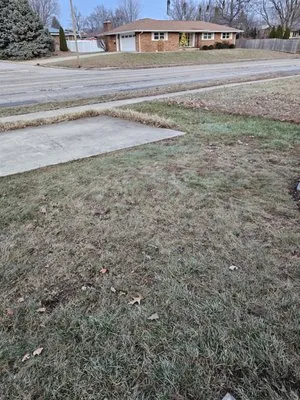
Welcome to A La Orden Landscaping, your local partner for a healthier, more beautiful yard in Bloomington. We're a small, family-operated business built on a simple promise: to treat your lawn with th...
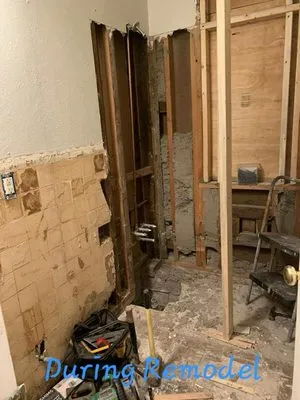
Best-Way Construction & Lawncare is a trusted local contractor serving Middletown, IL, specializing in construction, remodeling, and lawn services. With expertise in everything from appliance installa...

Bloch Contracting is a Decatur-based contractor specializing in tree services, general contracting, and landscaping. We help homeowners address common local issues like poor lawn grading and lawn fung...

Dustin Lawncare N Brush Removal is a Decatur-based lawn service provider dedicated to helping local homeowners maintain healthy, attractive yards. We specialize in comprehensive lawn care solutions th...
T&K Landscaping & Home Improvement
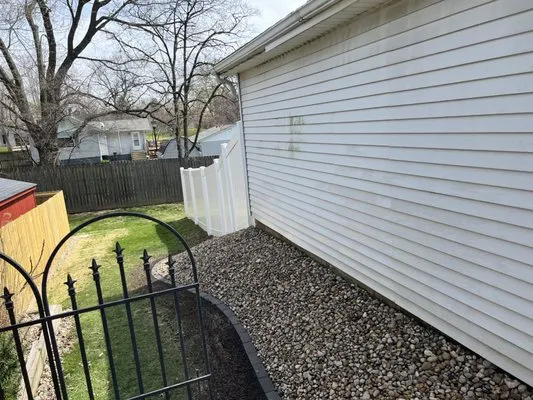
T&K Landscaping & Home Improvement is a family-owned business serving the Chestnut, IL community. Founded in 2023 by Thomas and his son Kayden, the company brings together over 30 years of combined in...
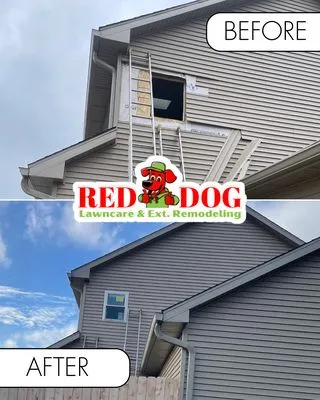
Red Dog Lawn Care & Exterior Remodeling is a locally owned and operated business serving Champaign, IL. We started with a simple dream: to create and maintain beautiful outdoor spaces for our communit...
217 Lawn Care is a trusted local provider in Springfield, IL, specializing in gutter cleaning, lawn care, and tree services. Many Springfield homes face common landscaping challenges like moss growth ...
NC Lawn Pros is a locally owned and operated lawn service in Sherman, IL, founded by two dedicated high school students committed to providing reliable and thorough care for your outdoor space. We spe...

Capital City Landscaping is a Riverton-based landscaping company dedicated to transforming outdoor spaces with reliable, respectful service. We treat every property as if it were our own, focusing on ...

Springfield Lawn Care is a locally owned and operated lawn service provider in Springfield, IL, dedicated to maintaining the beauty and health of residential lawns. We understand that your lawn is mor...
Estimated Landscaping Service Costs in Mount Pulaski, IL
Q&A
Is crushed limestone or wood better for pathways in my Mount Pulaski landscape?
Crushed limestone offers superior longevity and permeability compared to wood, which deteriorates within 5-10 years in Illinois' freeze-thaw cycles. The angular nature of crushed limestone creates a stable, well-draining surface that resists erosion and compaction. While Mount Pulaski has a low Fire Wise rating, crushed limestone provides additional defensible space benefits by creating non-combustible barriers. This material requires minimal maintenance beyond occasional grading and weed suppression at edges.
What solutions exist for seasonal ponding in my Mount Pulaski yard with heavy clay soil?
Drummer Silty Clay Loam's poor infiltration requires engineered drainage solutions to address seasonal ponding. French drains with clean gravel and perforated piping can redirect subsurface water away from problem areas. For hardscape areas, crushed limestone offers better permeability than solid pavers while meeting Logan County Building and Zoning Department runoff standards. Incorporating rain gardens with native plants like Purple Coneflower and Little Bluestem creates natural infiltration zones that complement mechanical drainage systems.
What permits and licenses are required for regrading my quarter-acre property in Mount Pulaski?
Significant grading work on a 0.25-acre lot typically requires approval from the Logan County Building and Zoning Department to ensure proper drainage and erosion control. Contractors must hold appropriate licensing through the Illinois Department of Financial and Professional Regulation, particularly for earthmoving exceeding certain volumes. These regulations prevent downstream sedimentation and protect adjacent properties from runoff issues. Always verify contractor credentials before beginning work that alters natural water flow patterns.
What are my options for reducing lawn maintenance while staying compliant with local regulations?
Transitioning high-maintenance turf areas to native plantings like Butterfly Milkweed, Wild Bergamot, and Little Bluestem significantly reduces water, fertilizer, and mowing requirements. These deep-rooted natives improve soil structure and support local pollinators while requiring minimal care once established. This approach aligns with evolving noise ordinances restricting gas-powered equipment and prepares for potential electric fleet requirements. Native landscapes typically need only seasonal trimming rather than weekly mowing from April through October.
How should I treat invasive species in my garden without violating fertilizer regulations?
Common invasive alerts in USDA Zone 5b include garlic mustard, Japanese knotweed, and buckthorn, which compete with native species. Mechanical removal through digging or cutting is most effective and avoids chemical concerns. For persistent problems, targeted spot treatments with glyphosate alternatives can be applied during active growth periods, avoiding the Illinois Phosphorus Fertilizer Ban restrictions. Always time applications to minimize impact on desirable plants and soil microbiology, particularly mycorrhizae networks.
How can I maintain my Kentucky Bluegrass lawn during dry periods without violating water conservation standards?
Smart Wi-Fi soil moisture sensors provide precise irrigation control by measuring actual soil conditions rather than operating on fixed schedules. These systems apply water only when Drummer Silty Clay Loam reaches specific dryness thresholds, typically 1-2 inches per week for cool-season grasses. This ET-based approach maintains turf health while staying well within municipal conservation guidelines. Properly calibrated sensors can reduce water usage by 30-50% compared to traditional timer systems.
Why does my Mount Pulaski Historic District lawn have such compacted soil that won't absorb water?
Your property's Drummer Silty Clay Loam soil has been developing for approximately 81 years since typical 1945 construction, creating significant compaction through decades of foot traffic and maintenance equipment. This soil type naturally has poor permeability, and aging intensifies its density, reducing pore space for water and air movement. Core aeration with organic amendments like compost is essential to break up compaction and improve soil structure. Without intervention, this compaction leads to seasonal ponding and restricts root growth for Kentucky Bluegrass and Tall Fescue.
How quickly can you respond to an emergency tree cleanup after a storm in Mount Pulaski?
Our regional response team can typically reach Mount Pulaski within 45-60 minutes for emergency situations. We dispatch from the Mount Pulaski Courthouse State Historic Site area, traveling via IL Route 121 to access neighborhoods efficiently. This timeframe accommodates HOA compliance deadlines and urgent safety concerns. Our electric equipment fleet operates within the 8 AM to 8 PM noise ordinance restrictions, ensuring compliance during cleanup operations.
