Top Landscaping Services in Mound, IL, 62411 | Compare & Call
There are 48 landscaping companies server in Mound IL
Landscape Daniels is a trusted landscaping company serving Harrisburg, IL, dedicated to solving common local lawn and irrigation problems. We specialize in addressing issues like dead lawn patches and...
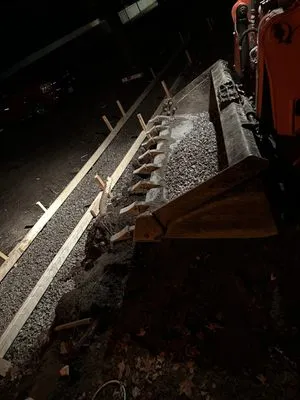
K&T Landscaping is a full-service landscaping company serving Herrin, IL, and the surrounding areas. We specialize in transforming outdoor spaces, from initial design and earthmoving to ongoing mainte...
T & J Landscaping and More is a trusted, locally-owned lawn service provider in Stonefort, IL, specializing in comprehensive lawn care solutions. We understand the common local challenges homeowners f...
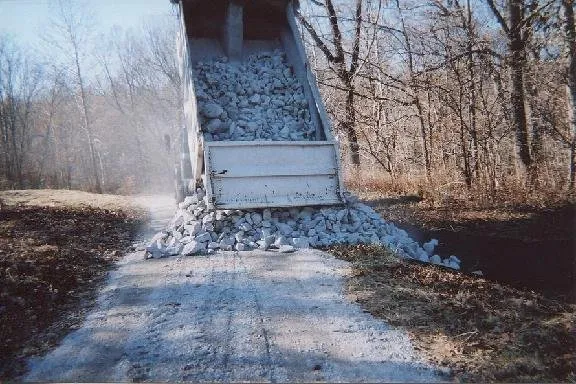
Always Excavating & Landscaping has been a trusted provider in Carbondale and Jackson County, IL, since 1990, focusing on reliable excavation, landscaping, and tree services. We specialize in resident...
Outdoor Turf Professionals is a Carterville, IL-based landscaping company dedicated to enhancing turf health and water management across Southern Illinois, Southern Missouri, and Western Kentucky. We ...

Dawsons Lawn and Tree Service is a trusted, locally-owned Carterville business providing comprehensive lawn care, tree services, and snow removal to homeowners throughout the area. We understand the c...
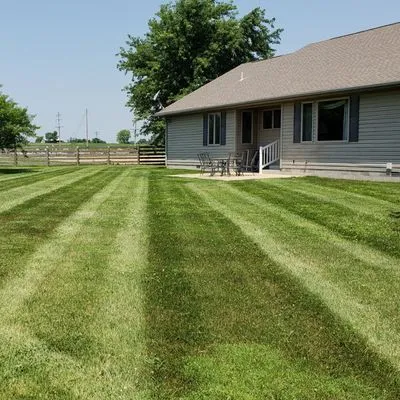
Precision Lawn Care was founded by a Carbondale native with a deep-rooted passion for the outdoors. Right after high school, they apprenticed with a family friend's lawn care business, gaining hands-o...

Weed Man of Marion has been the trusted local expert for lawn and pest control in Southern Illinois for over 40 years. We specialize in creating healthy, safe outdoor spaces for your family and pets t...
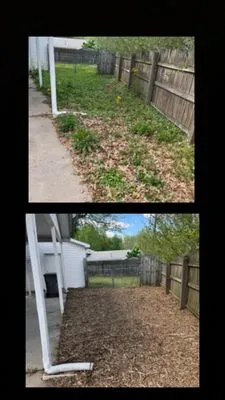
KC Outdoor Services in Marion, IL, is your local partner for creating a healthy, resilient outdoor space. We specialize in comprehensive lawn care and expert tree care services. We understand the comm...

Marion Trim & Tidy is a dedicated lawn and garden service provider serving Marion, IL, and the surrounding area. We specialize in comprehensive property care, including gardening, lawn maintenance, an...
Estimated Landscaping Service Costs in Mound, IL
Common Questions
Why does my Mound City Center yard have such dense, slow-draining soil that seems to resist water and nutrients?
Mound's residential lots, developed around 1955, have 71-year-old soil profiles dominated by silty clay loam. This soil type naturally compacts over decades, reducing permeability and oxygen availability to roots. In Mound City Center neighborhoods, historical construction practices and minimal organic matter inputs have exacerbated this compaction. Core aeration combined with compost amendments at 0.5-1 inch depth can restore soil structure, improving water infiltration and microbial activity within the USDA Zone 7a growing season.
How can I maintain healthy Tall Fescue turf while respecting Mound's water conservation goals?
Wi-Fi ET-based weather sensing irrigation systems automatically adjust watering schedules using real-time evapotranspiration data from local weather stations. This technology reduces water use by 20-30% compared to traditional timers while maintaining Tall Fescue health. During Stage 0 water restrictions, these systems prevent overwatering by accounting for rainfall and humidity. Properly calibrated ET controllers deliver 1-1.5 inches weekly during peak summer, optimizing turf quality within municipal water limits.
What solutions address seasonal water saturation in my silty clay loam yard?
High water tables in Mound's silty clay loam require integrated drainage approaches. Permeable concrete pavers with 2-4mm joint spacing allow 4-8 inches per hour infiltration, exceeding Pulaski County Planning & Zoning Department runoff standards. Subsurface French drains at 18-24 inch depth with clean gravel backfill redirect groundwater away from foundations. Grading slopes of 2% toward drainage swales creates positive flow, while rain gardens with native wetland plants provide biological filtration for collected runoff.
How quickly can you respond to an emergency tree limb cleanup after a storm to meet HOA compliance deadlines?
Emergency storm response from the Pulaski County Courthouse area typically requires 45-60 minutes during peak conditions. Our dispatch routes via IL-37, accounting for traffic patterns and accessibility to Mound City Center properties. We coordinate with local utilities for downed power line safety before initiating cleanup. This timeframe ensures compliance with HOA vegetation management requirements while adhering to the 7am-8pm noise ordinance for equipment operation.
What low-maintenance alternatives reduce my reliance on gas-powered lawn equipment?
Transitioning from high-maintenance turf to native plantings like Purple Coneflower, Butterfly Milkweed, Little Bluestem, and Wild Bergamot creates resilient landscapes requiring minimal intervention. These species thrive in Zone 7a with seasonal pruning instead of weekly mowing, reducing noise ordinance compliance concerns. Established native plantings need only annual cutting back, eliminating gas blower use for leaf management. This approach supports 2026 biodiversity standards while cutting maintenance time by 70-80% compared to traditional lawns.
What permits and licenses are required for regrading my 0.25-acre property in Mound?
Grading projects altering more than 100 cubic yards of soil require Pulaski County Planning & Zoning Department permits to ensure proper drainage and erosion control. Contractors must hold Illinois Department of Financial and Professional Regulation landscaping licenses for earthmoving exceeding 500 square feet. On 0.25-acre lots, even modest regrading often triggers these requirements due to stormwater management impacts. Licensed professionals carry insurance covering potential damage to neighboring properties and underground utilities, providing legal protection absent with unlicensed work.
How should I manage invasive Japanese knotweed without violating fertilizer regulations?
Japanese knotweed requires targeted glyphosate application during late summer translocation periods, avoiding spring when native plants are vulnerable. The Illinois Phosphorus Application Act prohibits phosphorus fertilizers unless soil tests confirm deficiencies, so treatment focuses on herbicide rather than nutrient-based approaches. Manual removal before seed set in early summer reduces spread. Always coordinate with licensed applicators who understand local blackout dates and can implement integrated pest management that protects surrounding Butterfly Milkweed and other natives.
Are concrete pavers better than wood for durable, fire-resistant landscaping in Mound?
Concrete pavers provide superior longevity with 25-40 year lifespans versus wood's 10-15 years in Illinois' freeze-thaw cycles. Their non-combustible nature supports Moderate Fire Wise ratings by creating defensible space around structures. Unlike wood, pavers resist moisture damage from Mound's high water tables and require no chemical treatments. Properly installed with polymeric sand joints, they maintain permeability while withstanding heavy use, making them ideal for creating firebreaks and functional spaces in residential landscapes.
