Top Landscaping Services in Morris, IL, 60450 | Compare & Call

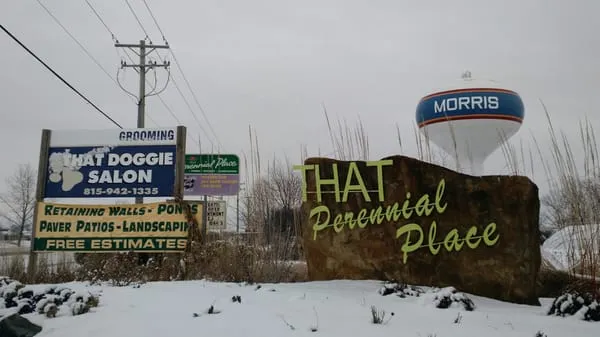
That Perennial Place
That Perennial Place has been a trusted part of the Morris community for over 25 years, growing from a passion for plants into a comprehensive 5-acre garden center and landscaping service. We offer mo...
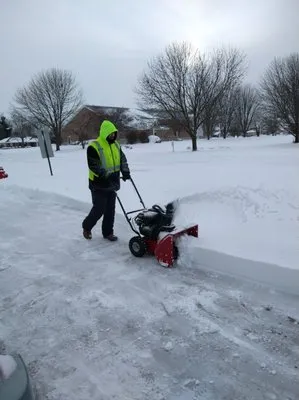
Cuttin Edge Lawn To Landscaping is a family-owned business that has been serving the Grundy, Will, and Livingston county areas from its home in Mazon since 2009. What started as a one-person operation...
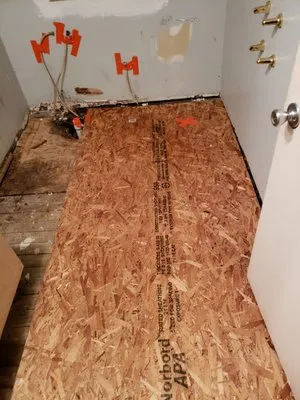
B&B Handyman Repair Services is your trusted local expert in Morris, IL, dedicated to providing reliable, quality work for your home and property. We understand the financial pressures families face, ...
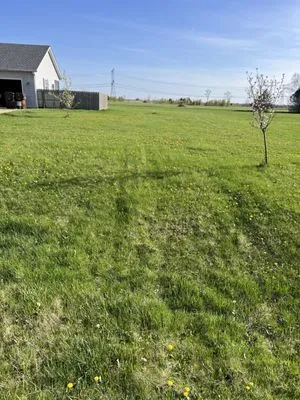
JP Yard Works is a trusted lawn care provider serving Morris, IL, with a focus on reliable lawn mowing and seasonal clean-up services. We understand the unique needs of local homeowners, from managing...
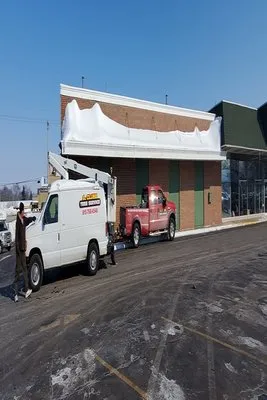
A. Clubb Lawn Care & Landscaping, Inc. has been serving Morris, Illinois, and surrounding communities like Joliet, Naperville, Yorkville, Bolingbrook, and Shorewood since 2013. As a licensed and insur...
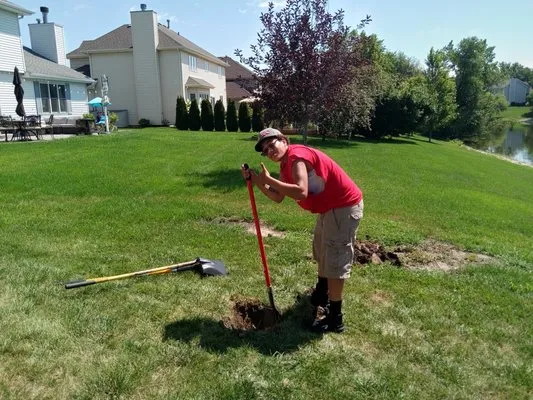
Honiotes Bros is a trusted, locally-owned landscaping and contracting company serving Morris, IL, and the surrounding area. We combine extensive industry experience with a practical, hands-on approach...
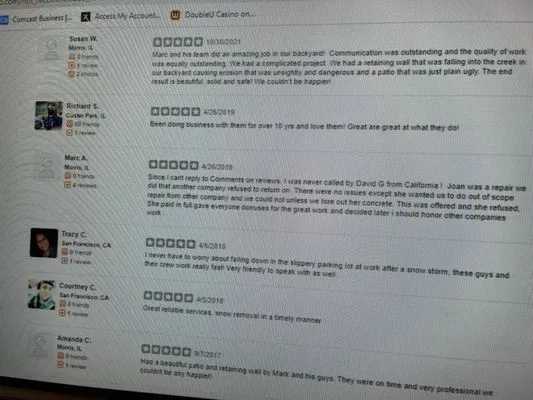
Anderson & Sons Ltd. is a family-owned and operated landscaping company that has been serving Morris and the surrounding communities since 1997. Founded by a father for his sons, the business has grow...
TLC Trotter Landscape Company has been a trusted part of the Morris, IL community since 1993, dedicated to transforming local yards with expert care. Our team combines over 50 years of design and cons...
All Year Round Landscape Services
All Year Round Landscape Services, Inc. is a fully insured landscaping specialist based in Morris, IL, proudly serving homeowners and businesses in Mazon, Coal City, Diamond, and surrounding communiti...

Branstin Lawncare is a trusted landscaping and design company serving Morris, IL, and surrounding areas. We specialize in professional landscape design that not only enhances curb appeal but also addr...
Q&A
How quickly can you respond to an emergency storm cleanup for HOA compliance?
Emergency storm response from our Goold Park dispatch location typically reaches Downtown Morris within 20-30 minutes during peak conditions via I-80. Our electric maintenance fleet operates within Morris noise ordinance hours (7:00 AM - 9:00 PM) without violating decibel restrictions. We prioritize debris removal and safety hazard mitigation to meet HOA compliance deadlines, with same-day documentation provided for insurance claims and regulatory verification.
Are concrete pavers better than wood for Morris landscaping?
Concrete pavers and crushed limestone offer superior longevity in USDA Zone 5b freeze-thaw cycles, typically lasting 25+ years versus wood's 10-15 year lifespan with maintenance. These materials support Firewise USA moderate rating requirements by creating defensible space without combustible organic matter accumulation. Unlike wood, mineral-based hardscapes don't require chemical treatments that could leach into Morris's high water table, and their thermal mass helps moderate microclimate temperatures around structures.
How do I control invasive species without violating fertilizer regulations?
Identify common Morris invasives like garlic mustard or Japanese knotweed early through seasonal monitoring. Mechanical removal before seed set proves most effective, while targeted spot treatments with EPA-approved herbicides avoid blanket applications that could violate Illinois Lawn Care Products Application and Notice Act phosphorus restrictions. Time applications outside blackout dates and coordinate with organic amendments to rebuild soil biology. Always verify treatment plans against local ordinance calendars to prevent compliance issues while protecting desirable native vegetation.
What solutions exist for poor drainage in Morris clay soils?
High seasonal water tables and poor infiltration in Mollisols/Silty Clay Loam require integrated drainage strategies. French drains with clean gravel and perforated piping redirect subsurface water, while permeable concrete pavers or crushed limestone hardscapes allow surface water infiltration. These approaches meet Morris Building & Zoning Department runoff standards by increasing permeability rates from near-zero to 5-10 inches per hour. Strategic grading with 2% minimum slope ensures water moves away from foundations toward designated drainage corridors.
What permits and licenses are needed for grading my 0.22-acre lot?
Grading projects exceeding 100 cubic yards of earth movement require Morris Building & Zoning Department permits with engineered drainage plans. Contractors must hold Illinois Department of Financial and Professional Regulation landscaping licenses with specific endorsements for earthwork operations. On 0.22-acre lots, even modest grading can significantly alter water flow patterns, necessitating professional certification to ensure compliance with municipal runoff regulations and prevent downstream property impacts. Always verify current license status through IDFPR's online verification system before contracting work.
Why does my Downtown Morris lawn have drainage issues and compacted soil?
Morris properties built around 1980 have 46-year-old soil systems where decades of foot traffic and equipment use have degraded soil structure. Downtown Morris lots typically feature Mollisols/Silty Clay Loam with pH 6.8-7.2, which naturally has poor permeability when compacted. This soil type requires annual core aeration to improve oxygen exchange and organic amendments like compost to rebuild soil aggregates. Without intervention, water infiltration rates decline significantly, exacerbating seasonal drainage problems common in this area.
How do I maintain healthy turf while respecting Morris water restrictions?
Wi-Fi ET-based weather sensing irrigation systems automatically adjust watering schedules based on real-time evapotranspiration data and Stage 1 water restriction parameters. This technology preserves Kentucky Bluegrass and Tall Fescue blends by delivering precise moisture when plants need it most, typically reducing water usage by 30-50% compared to traditional timers. The system accounts for rainfall, humidity, and temperature fluctuations specific to USDA Zone 5b conditions, ensuring turf health while staying well within municipal water allocation limits.
Should I replace high-maintenance turf with native plants?
Transitioning from Kentucky Bluegrass to Purple Coneflower, Butterfly Milkweed, Little Bluestem, and Wild Bergamot reduces maintenance demands by 70-80% while supporting local pollinators. Native plantings require no gas-powered blowers, aligning with evolving noise ordinance restrictions on combustion equipment. These deep-rooted perennials improve soil structure, increase drought tolerance, and provide year-round visual interest with minimal irrigation—particularly valuable as electric maintenance fleets become standard and carbon reduction initiatives expand.
