Top Landscaping Services in Moraine, IL, 60015 | Compare & Call
There are 204 landscaping companies server in Moraine IL
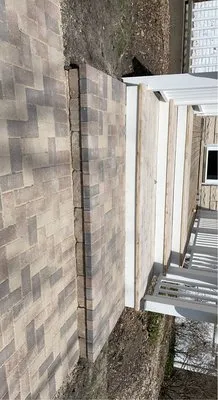
GRF Landscaping is your trusted, full-service landscaping partner serving Mundelein, IL, and the surrounding area. We specialize in resolving common local yard issues like standing water and moss grow...
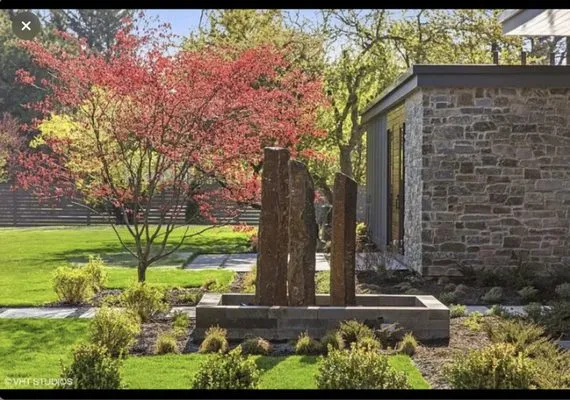
Evelyn & Natte's Hardscapes is a family-owned and operated landscaping and hardscaping business serving Waukegan and the greater Lake County area. With expertise in both softscape and hardscape servic...
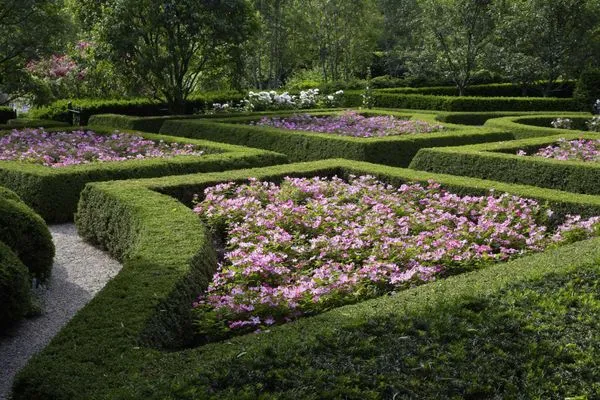
Craig Bergman
Craig Bergman is a Lake Forest landscape architect and designer who has been building beautiful, functional outdoor spaces for the North Shore community since 1981. His full-service firm specializes i...
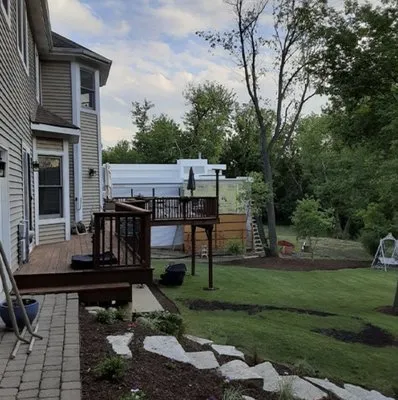
Freddy's Landscaping is a trusted, full-service landscaping company serving Palatine and the surrounding areas. We specialize in transforming outdoor spaces, from initial design to final construction ...
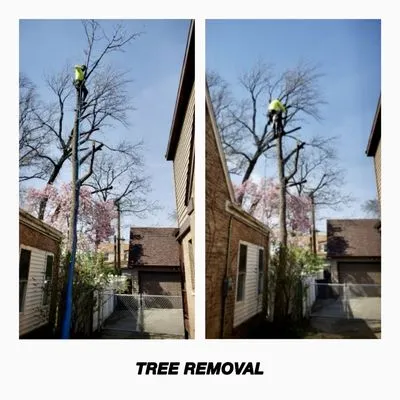
Parra's Landscaping & Tree Services is a full-service landscaping and tree care company serving Palatine, IL, and the surrounding areas. We specialize in comprehensive solutions for residential and co...
Miller and Son Landscaping has been a trusted local landscaping provider in Rolling Meadows, IL, and the Northwest Suburban Chicago area for over 30 years. Founded by David, the family-owned business ...
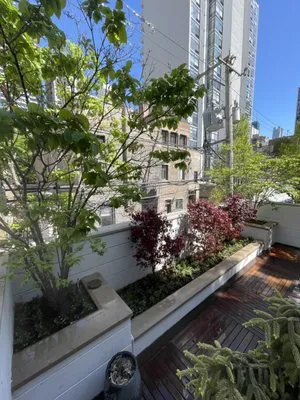
Alex and David Landscaping and Construction
Based in Wheeling, IL, Alex and David Landscaping and Construction is a full-service design and build firm specializing in both the beauty and function of your outdoor space. We combine expert landsca...
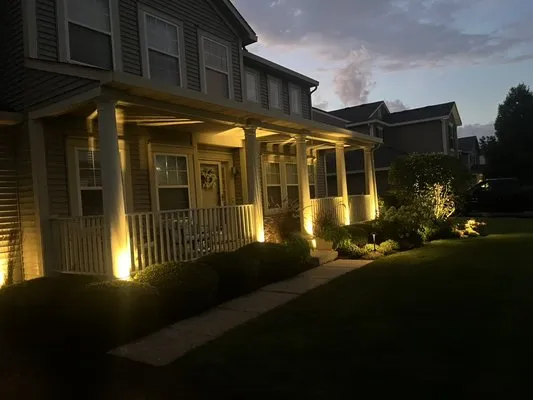
Mistretta Landscaping
Mistretta Landscaping has been a trusted name in Grayslake, IL since 2002, providing comprehensive landscaping and snow removal services for both residential and commercial clients. As a licensed comp...
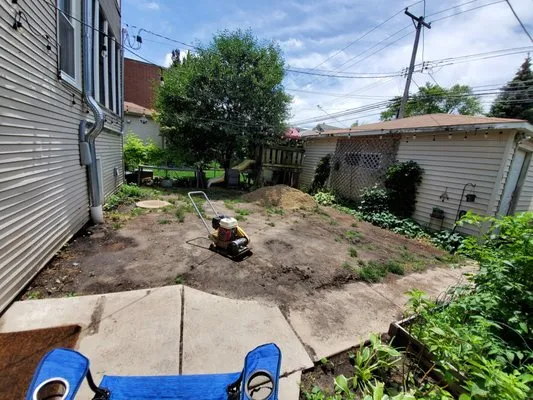
Great Lawn Landscaping is a Streamwood-based company dedicated to transforming local outdoor spaces with care and precision. We focus on understanding the specific needs of our neighbors, from foundat...
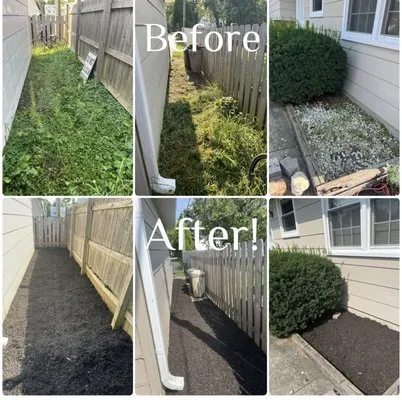
MG Bros Landscaping is a family-owned and operated landscaping business serving Wheeling, IL, and surrounding areas. With a focus on personalized service and attention to detail, we specialize in comp...
Estimated Landscaping Service Costs in Moraine, IL
Questions and Answers
Why does the soil in our Moraine Residential District yards seem so compacted and dense?
Moraine lots, with an average house age from 1969, have soils that have matured for over 50 years. The native Silty Clay Loam is naturally dense and prone to compaction from decades of standard maintenance. This low permeability creates high seasonal saturation. Annual core aeration and the addition of composted organic matter are essential to improve soil structure and root penetration for any new planting.
With Moraine's voluntary water conservation, how do I keep my Kentucky Bluegrass blend healthy?
Level 1 voluntary conservation is effectively managed with Smart Wi-Fi ET-based irrigation. This system schedules watering based on real-time evapotranspiration data and local weather sensing, applying water only when needed. This technology maintains turf health while reducing overall consumption, keeping you well within municipal guidelines and preventing the overwatering that exacerbates clay compaction.
What permits and credentials are needed for regrading my quarter-acre lot?
Significant earthmoving or regrading on a 0.25-acre property in Moraine typically requires a permit from the Department of Planning and Development to ensure proper drainage and adherence to code. The work itself must be performed by a contractor licensed by the Illinois Department of Financial and Professional Regulation. This licensing guarantees expertise in structural horticulture and compliance with state environmental regulations, protecting your investment.
Are permeable pavers a better choice than wood for a new patio in Moraine?
Permeable Concrete Pavers offer superior longevity and functionality compared to wood in our climate. They provide a stable, non-rotting surface that manages stormwater on-site, a key infrastructure benefit. In the context of Moraine's Low Urban Interface Fire Wise Rating, pavers also create a definitive, non-combustible defensible space, which is a prudent safety consideration for any property.
My yard holds water for days after a rain; what's the best long-term solution?
Persistent pooling is characteristic of Silty Clay Loam with high compaction. The primary solution involves regrading to create positive drainage away from foundations and installing subsurface French drains. For any new patios or walkways, specifying Permeable Concrete Pavers increases ground absorption and can help meet the Moraine Department of Planning and Development's stormwater runoff reduction standards for residential projects.
What invasive species should I watch for, and how are they treated responsibly?
Common invaders in Zone 5b include Creeping Bellflower and Garlic Mustard, which compete with natives. Treatment involves careful manual removal or targeted, non-broadcast herbicide applications by licensed professionals. All treatments must comply with the Illinois Lawn Care Products Application and Notice Act, which restricts phosphorus and mandates proper notice, ensuring soil and groundwater protection.
My HOA issued a violation notice for overgrowth; how quickly can a crew address this?
For HOA compliance or emergency storm cleanup, our dispatch from the Moraine Community Center uses I-94 for direct access. This routing ensures a crew arrival within the 20-30 minute peak storm response window. We coordinate all work within the local noise ordinance hours for gas-powered equipment, from 7 AM to 7 PM, to maintain neighborhood compliance during the service.
Is there a lower-maintenance alternative to my weekly-mowed lawn that also reduces noise?
Transitioning sections of high-input turf to a palette of native plants like Purple Coneflower, Little Bluestem, and Prairie Dropseed significantly reduces maintenance. These deep-rooted perennials eliminate weekly mowing and gas-blower dependency, aligning with future trends under local noise ordinances. A native planting bed requires no fertilization, conserves water, and provides superior habitat, advancing 2026 biodiversity goals.
