Top Landscaping Services in Monroe, IL, 60129 | Compare & Call
There are 68 landscaping companies server in Monroe IL
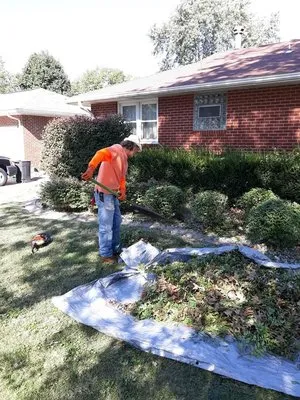
Diamond Cut Lawn Care has been serving Granite City and surrounding Illinois communities since 2005, providing reliable lawn care and property maintenance services. We specialize in weekly grass cutti...
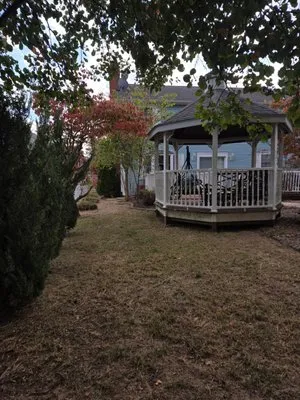
CND Landscape is a Swansea-based service company founded by Cameron and his two good buddies, who combine lifelong experience in lawn care and brush clearing with a passion for the outdoors. At 34, Ca...
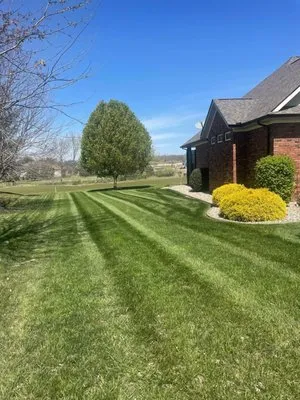
Code-3 Lawn Solutions is a trusted lawn care provider serving Belleville, IL, and surrounding areas. We specialize in comprehensive lawn maintenance and repair services tailored to address common loca...
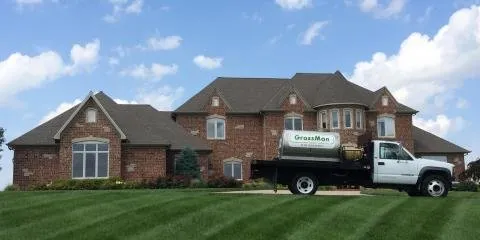
GrassMan Lawn Care is a family-owned and operated business serving Waterloo, IL, and surrounding Monroe and Randolph counties with over 50 years of combined experience. Our team provides comprehensive...
Weilbacher Landscaping
Weilbacher Landscaping is a licensed, full-service landscaping company serving Millstadt, IL, and the broader Metro East area. We specialize in transforming outdoor spaces with durable, custom-designe...
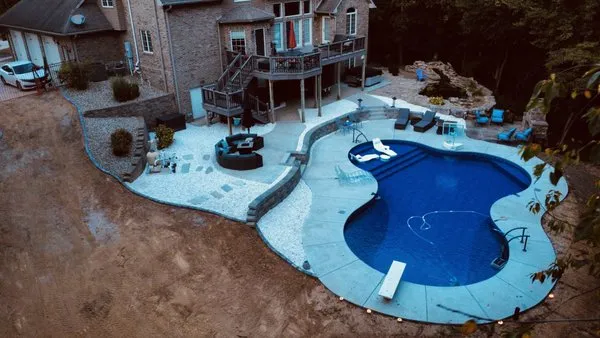
Clean Cut LawnCare & Landscaping is a Waterloo, IL-based landscaping company founded by Kajel Heine. What began as a high school lawn mowing service has grown into a comprehensive outdoor property ser...
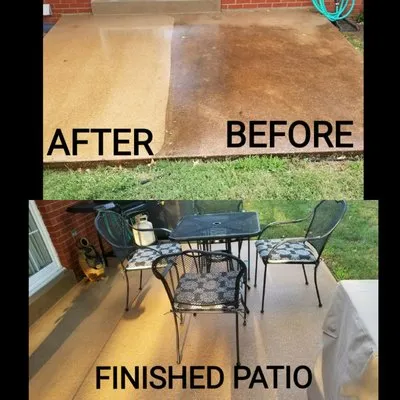
New Again Power Washing serves Columbia, IL, as a full-service exterior and property care specialist. We combine expert pressure washing, detailed landscaping, and professional painting to revitalize ...
Eagle Stone Products
Eagle Stone Products in Red Bud, IL, is a trusted local provider of building supplies, landscaping materials, and general contracting services. We specialize in stone veneer products for both indoor a...
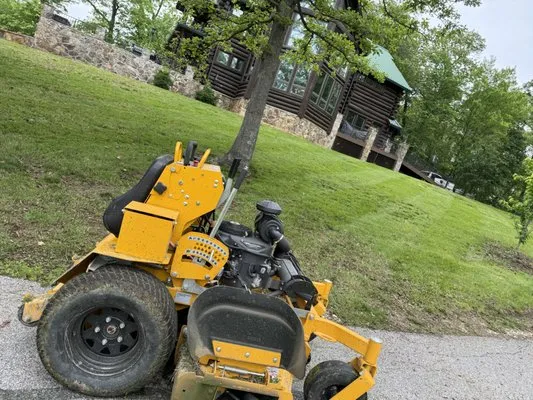
Heinen Landscaping is a locally owned and operated business serving New Athens, IL, founded by Jarrett Heinen. Starting with lawn care at age 17, Jarrett has grown the company to offer comprehensive l...
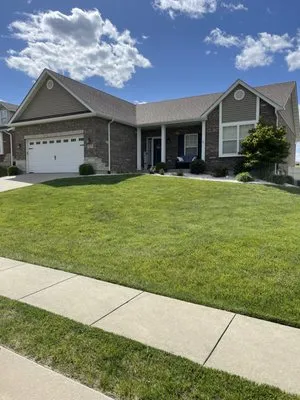
Henderson Lawn Care is a trusted local lawn service provider in Columbia, IL, dedicated to keeping your yard healthy and beautiful. We specialize in comprehensive lawn care, including mowing, fertiliz...
Estimated Landscaping Service Costs in Monroe, IL
Frequently Asked Questions
What permits and credentials are needed for a major backyard regrading project?
Significant regrading on a 0.25-acre lot typically requires an earth disturbance permit from the Monroe Building & Zoning Department to ensure proper drainage and erosion control. The contractor must hold appropriate licensing through the Illinois Department of Financial and Professional Regulation. This ensures they carry the required insurance and possess the technical expertise to execute the work to code, protecting your property investment.
What invasive species should I watch for, and how do I remove them safely?
In our area, watch for aggressive invasives like Japanese Knotweed and Bush Honeysuckle. Manual removal for small infestations is effective, while targeted, professional-grade herbicide applications may be necessary for larger ones. All treatments must comply with Illinois statewide phosphorus restrictions for non-agricultural turf. Proper timing avoids blackout dates and prevents harm to desirable native plants.
A storm damaged our trees. How quickly can someone get here for an emergency cleanup?
For urgent storm response, crews dispatch from Monroe City Park. Using IL-156, the primary route into the historic district, peak travel time is 25-35 minutes. This allows for safe navigation of debris while meeting the city's noise ordinance for gas-powered equipment, which restricts operation to 8 AM - 6 PM. We prioritize securing hazardous limbs and clearing driveways to restore access first.
Our soil seems so dense and lifeless. Is that just how it is here?
Monroe Historic District lots, with homes averaging 67 years old, have had their original topsoil compacted by decades of foot traffic and construction. The prevalent Silty Clay Loam soil (pH 6.5-7.2) becomes naturally dense, severely limiting water percolation and root development. To restore soil health, implement core aeration followed by amending with 1/4-inch of compost; this builds organic matter and improves permeability for your turf and planting beds.
We get seasonal ponding in our yard. What's the best long-term solution?
Seasonal ponding is common in Monroe's Silty Clay Loam due to its slow permeability. The most effective correction combines subsurface French drains with surface grading to direct water away from foundations. For new patios or walkways, specify Permeable Concrete Pavers; their design allows stormwater to infiltrate the soil, meeting Monroe Building & Zoning Department runoff standards and mitigating the hazard.
Are permeable pavers a better choice than a traditional wood deck?
For longevity and low maintenance, Permeable Concrete Pavers significantly outperform wood. They will not rot, warp, or splinter and require no seasonal sealing or staining. Their permeable nature manages onsite stormwater, a critical function in our soil type. While Monroe has a low Fire Wise rating, the non-combustible nature of pavers also provides superior defensible space compared to wooden structures.
I'm tired of weekly mowing. Are there lower-maintenance, eco-friendly options?
Yes, transitioning high-input turf areas to a native plant palette is a forward-thinking solution. Species like Purple Coneflower, Butterfly Milkweed, Little Bluestem, and Wild Bergamot are adapted to Zone 6a, require no fertilizer, and need minimal watering once established. This biodiverse landscape also supports local pollinators and reduces reliance on gas-powered equipment, aligning with evolving noise and emission ordinances.
How can I keep my lawn green without wasting water or violating city guidelines?
Under normal, voluntary conservation, Wi-Fi ET-based irrigation is the standard. This system automatically adjusts watering schedules using real-time local weather data and evapotranspiration rates. It delivers precise hydration for your Tall Fescue/Kentucky Bluegrass blend, preventing the overwatering that leads to fungal disease and runoff. This technology is key to maintaining turf health within municipal water limits.
