Top Landscaping Services in Minooka, IL, 60447 | Compare & Call
There are 208 landscaping companies server in Minooka IL
Vazquez Son's Landscaping is a trusted, family-owned landscaping company serving Joliet, IL, and the surrounding areas. We specialize in comprehensive landscaping, tree care, and snow removal services...
Paradise Maintenance & Landscaping Inc. is a full-service landscaping company serving Joliet, IL, and the surrounding areas. We specialize in creating and maintaining beautiful, healthy outdoor spaces...
A & F Landscaping is a family-owned and operated business serving Joliet and the Chicagoland suburbs. Founded in 2021 but built on over 20 years of hands-on industry experience, we provide a comprehen...
Great Lakes Landscaping has served the Chicagoland area for over 30 years, building a reputation for reliable, professional lawn care and landscape maintenance. Based in Joliet, we work with both resi...
Mike's Landscaping Snow Removal is a trusted, full-service landscaping company serving Joliet, IL, and the surrounding areas. We specialize in comprehensive solutions for local homeowners facing commo...
Hernandez Landscaping is a locally owned and operated landscaping company serving Joliet, IL, and the surrounding areas. With years of hands-on experience, we specialize in a comprehensive range of se...
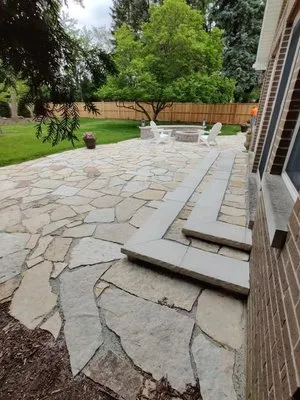
Ginkgo Landscaping And Tree Service has been a trusted part of the Joliet community since 2004, providing reliable and professional outdoor solutions for both homes and businesses. Founded by Rigo, th...
Reyes and Sons Landscaping & Lawn Service
Reyes and Sons Landscaping & Lawn Service is a trusted, family-owned provider serving Joliet, IL, with comprehensive solutions for outdoor living. We specialize in transforming properties through expe...
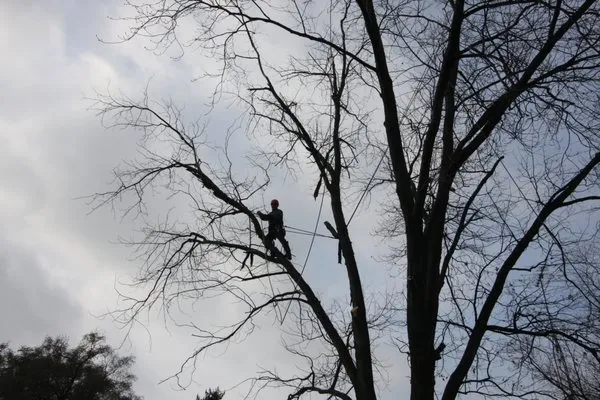
Arbor Tek Service
Arbor Tek Service has been a trusted tree and landscaping provider in Joliet, IL, since 2002. Founded to deliver quality arborist services, we've grown to serve both residential clients and municipal ...
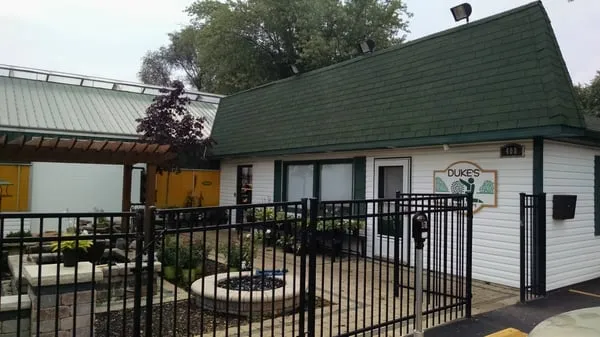
Duke's Landscape Services
Duke's Landscape Services has been enhancing outdoor spaces in Joliet and surrounding communities since the mid-1990s. We specialize in comprehensive landscape solutions, from initial design using pho...
Estimated Landscaping Service Costs in Minooka, IL
Question Answers
What permits and licenses are required for grading my 0.25-acre property?
Grading projects altering water flow patterns require Minooka Building and Zoning Department approval to prevent downstream impacts. Contractors must hold Illinois Department of Financial and Professional Regulation licensing for earth-moving operations exceeding certain volumes. Professional oversight ensures proper slope calculations and erosion control measures. Unlicensed grading can violate municipal codes and create liability for property damage.
Why does my Minooka Downtown lawn have drainage issues despite regular care?
Properties built around 2003 have 23-year-old soil that has become compacted over time. Drummer Silty Clay Loam naturally has poor permeability, and decades of foot traffic and equipment weight have reduced pore space. Core aeration with organic compost amendments is necessary to restore soil structure and improve water infiltration. Without this intervention, seasonal saturation will persist regardless of surface treatments.
Are concrete pavers better than wood for Minooka's climate and fire safety?
Concrete pavers and crushed limestone offer superior longevity in USDA Zone 5b freeze-thaw cycles compared to wood's rot susceptibility. These materials maintain structural integrity for 25+ years with minimal maintenance. For fire-wise considerations in Low-rated suburban areas, non-combustible hardscapes create defensible space without requiring chemical treatments. Proper installation with adequate permeability addresses both durability and environmental compliance.
What solutions address poor percolation in Drummer Silty Clay Loam soils?
High seasonal saturation requires subsurface drainage systems combined with surface modifications. French drains with clean gravel and perforated pipe redirect groundwater away from foundations. Replacing impermeable surfaces with permeable concrete pavers or crushed limestone increases infiltration rates. These installations must meet Minooka Building and Zoning Department runoff standards while addressing the soil's natural compaction tendencies.
What invasive species threaten Minooka landscapes and how should they be treated?
Garlic mustard and buckthorn present significant threats to native plant communities in our region. Manual removal before seed set is most effective, followed by targeted herbicide applications during approved windows. Treatments must avoid Illinois Phosphorus Fertilizer Act restrictions near waterways and respect seasonal blackout dates. Regular monitoring prevents re-establishment while protecting beneficial soil mycorrhizae networks.
How quickly can you respond to storm damage for HOA compliance in Minooka?
Emergency cleanup crews dispatch from Aux Sable Creek Park via I-80, arriving within 20-30 minutes during peak hours. This routing avoids residential congestion while maintaining compliance with Minooka's 7:00 AM to 9:00 PM noise ordinance. Electric maintenance equipment enables early morning response without violating sound restrictions. Debris removal and safety assessments are prioritized to meet neighborhood association deadlines.
How can I reduce maintenance while preparing for electric equipment mandates?
Transitioning high-maintenance turf areas to native plantings like Purple Coneflower, Little Bluestem, and Prairie Dropseed creates resilient landscapes. These species require minimal watering, no chemical inputs, and support local pollinators. Reduced mowing frequency aligns with evolving noise ordinances restricting gas-powered equipment. This approach future-proofs your landscape against both regulatory changes and climate variability.
Can I maintain Kentucky Bluegrass and Tall Fescue during Stage 1 water restrictions?
Smart Wi-Fi ET-based weather sensing irrigation systems optimize water application by calculating actual evapotranspiration rates. These systems adjust schedules based on real-time weather data, reducing water use by 20-30% while preserving turf health. Programming deep, infrequent watering cycles encourages deeper root growth that withstands drought stress. This approach maintains acceptable turf quality while staying within voluntary conservation guidelines.
