Top Landscaping Services in Millstadt, IL, 62260 | Compare & Call
There are 127 landscaping companies server in Millstadt IL
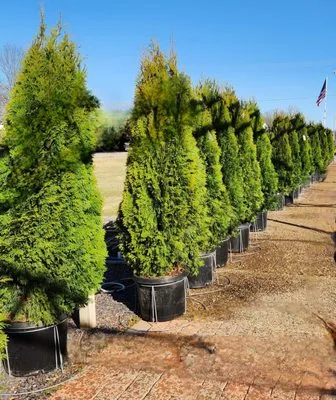
Shadycreek Nursery & Garden has been a trusted part of the Columbia, IL, community since 1979, serving homeowners and businesses throughout St. Louis and the surrounding Metro East. Our 4-acre nursery...
Ohlendorf Lawn And Snow is your trusted, local partner for year-round property care in Swansea, IL. We understand the specific challenges homeowners face in our area, from pesky moss overtaking shaded...
Lawn Wranglers is a trusted, locally-owned lawn and landscape care provider serving Belleville and the Metro East since 2003. We specialize in comprehensive shrub and tree care, including planting, di...
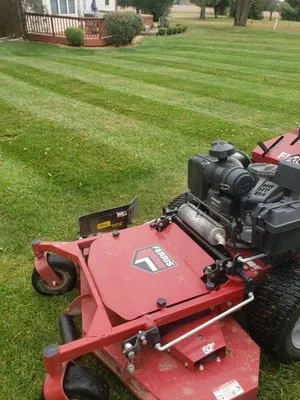
At Louie's Lawn Service, we're your neighbors in Belleville, dedicated to making your outdoor space something you can take pride in. Our work is built on a simple promise: reliable, consistent care th...
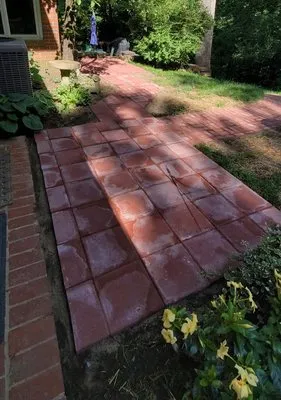
Universal Lawns & Outdoors is a locally owned and operated landscaping and handyman service based in Swansea, Illinois, serving Southern Illinois communities. With seven years of experience, we specia...
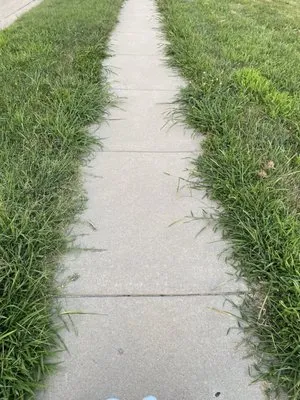
Munie Greencare Professionals
Munie Greencare Professionals has been the trusted, family-owned choice for Caseyville lawns since 1980. Founded and still led by President Joe Munie, the company has grown from a local residential la...
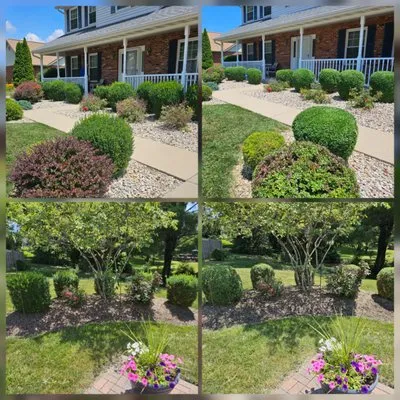
WD Lawn Care is a trusted local lawn service in Belleville, IL, dedicated to solving the common landscaping challenges homeowners face, such as soil compaction and dead lawn areas. We provide expert l...
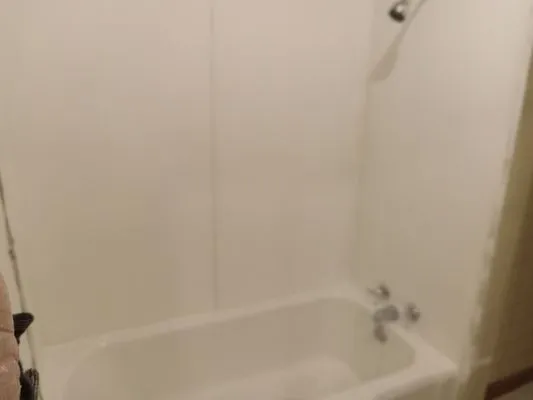
Enjoy Fix And Clean is a Swansea-based, family-owned business operated by Nick and Julie Martin, a husband-and-wife team with over 30 years of combined experience. As a United States Navy Veteran and ...
A&R Lawn Care is a trusted Belleville, IL landscaping company dedicated to solving common local lawn problems. Many Belleville homes face issues like sprinkler system leaks and lawn insect damage, whi...

Chameleon Landscaping is a dedicated, veteran and minority-owned landscaping service proudly serving Swansea, IL. As a newly established startup, owner brings a commitment to hard work, exceptional cu...
Estimated Landscaping Service Costs in Millstadt, IL
Questions and Answers
What solutions exist for seasonal ponding in my yard's low areas?
Silt loam's moderate permeability combined with Millstadt's topography creates runoff accumulation points. A French drain system with clean gravel and perforated pipe redirects water away from structures while maintaining soil stability. For hardscape areas, permeable concrete pavers or limestone installations meet Village Planning & Zoning runoff standards by allowing 4-8 inches per hour infiltration. These approaches address ponding without creating downstream erosion issues.
Why does my Millstadt Village Center lawn struggle despite regular watering?
Millstadt's 1973-era homes have 53-year-old soil profiles that have become compacted over decades. The prevalent silt loam soil (pH 6.5-7.2) in this neighborhood loses permeability as organic matter decomposes without replacement. Core aeration every 2-3 years combined with compost amendments addresses this compaction by improving oxygen exchange and water infiltration. Without these interventions, even adequate irrigation fails to reach root zones effectively.
Should I worry about water restrictions affecting my Tall Fescue lawn?
Millstadt's current Stage 0 status means no active restrictions, but proactive water management remains essential. Wi-Fi ET-based weather sensing irrigation calculates evapotranspiration rates specific to your microclimate, applying only the water Tall Fescue actually needs. This technology typically reduces consumption 20-30% compared to timer-based systems while maintaining turf health. Municipal water departments increasingly monitor usage patterns, making efficient systems valuable long-term investments.
How should I handle invasive species without violating fertilizer rules?
Japanese knotweed and garlic mustard present the greatest invasive risks in Millstadt's silt loam conditions. Mechanical removal during dry periods prevents soil disturbance that spreads rhizomes. For persistent infestations, targeted glyphosate applications in fall avoid spring phosphorous restriction blackout dates. Always verify treatment timing with Illinois Department of Agriculture guidelines, as misapplied herbicides can violate both state ordinances and soil health principles.
How quickly can you respond to storm damage for HOA compliance?
Emergency cleanup crews dispatch from Tivoli Park via IL-158, reaching Millstadt Village Center properties within 20-30 minutes during peak conditions. This routing avoids residential congestion while maintaining accessibility to equipment trailers. We prioritize safety assessments before debris removal, documenting all work for HOA submission. Our electric equipment fleet operates within standard noise controls, allowing early morning response when needed.
What permits and licenses are needed for grading my 0.25-acre lot?
Grading that alters water flow patterns requires Millstadt Village Planning & Zoning review, particularly with moderate runoff hazards documented in the area. Contractors must hold Illinois Department of Financial and Professional Regulation landscaping licenses for earthmoving exceeding 100 cubic yards. On quarter-acre lots, even modest regrading often triggers these thresholds. Unlicensed grading risks fines up to $10,000 and voids most property insurance coverage for subsequent drainage issues.
Do concrete pavers or limestone offer better longevity than wood?
Concrete pavers and limestone provide 25-40 year lifespans versus wood's 8-15 years in Millstadt's freeze-thaw cycles. Both materials offer non-combustible properties that support Low Fire Wise ratings by creating defensible space around structures. Their thermal mass moderates microclimate temperatures, reducing irrigation demands on adjacent plantings. Properly installed with polymeric sand joints, these hardscapes resist weed penetration while maintaining permeability for runoff management.
Are there lower-maintenance alternatives to traditional lawn grass?
Transitioning sections to native plantings like Purple Coneflower, Butterfly Milkweed, Little Bluestem, and Wild Bergamot reduces maintenance by 60-80% compared to Tall Fescue. These species require no fertilization, minimal watering once established, and provide essential habitat for pollinators. As noise ordinances increasingly restrict gas-powered equipment, electric maintenance of native beds operates quietly at any hour. This approach future-proofs landscapes against regulatory changes.
