Top Landscaping Services in Milan, IL, 61201 | Compare & Call
There are 88 landscaping companies server in Milan IL
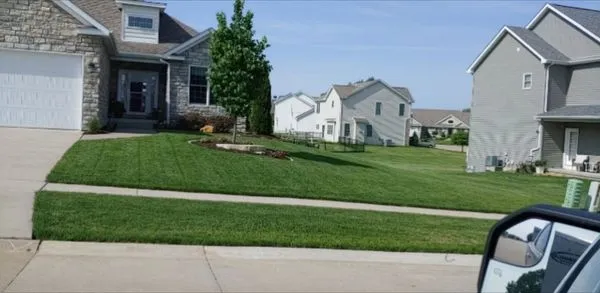
BullDawg Services is a trusted, locally-owned lawn care provider serving Moline, IL, and the surrounding Quad Cities area. We specialize in comprehensive lawn maintenance, from regular mowing and trim...
Quality Lawn Care is a trusted, locally-owned lawn and tree service provider serving Moline, IL, and the surrounding Quad Cities area. We specialize in comprehensive lawn care and expert tree care ser...
Pro Outdoor Maintenance
Pro Outdoor Maintenance is a licensed and insured outdoor maintenance company serving Moline, IL, and the Quad Cities area. We specialize in comprehensive landscaping, fencing, gutter services, and se...
Backyard Services Unlimited is a trusted local landscaping company serving Moline and the surrounding Quad Cities area. We specialize in providing comprehensive yard solutions, including professional ...
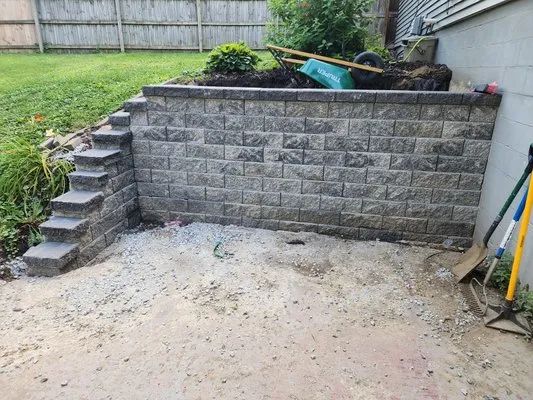
EMY Hardscape and Landscaping
EMY Hardscape and Landscaping is a locally owned and operated company serving Coal Valley and the Quad Cities area. We specialize in creating durable, functional outdoor living spaces through landscap...
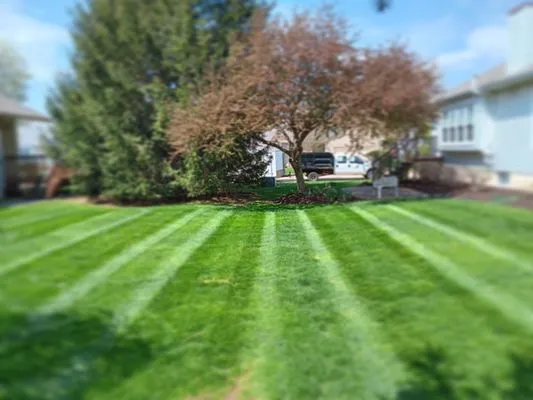
Four Bridge Lawn Care & Landscape is a trusted local lawn service provider in Moline, IL, dedicated to creating and maintaining healthy, beautiful yards that can withstand the region's specific challe...

Hole & 1 Landscaping brings over 15 years of dedicated lawn service experience to Moline, IL. Specializing in comprehensive landscape care, we focus on both installation and maintenance to create and ...

Nick's Landscaping & Lawn Care is a full-service landscaping provider in Coal Valley, IL, specializing in residential and commercial outdoor maintenance year-round. They offer lawn care, mowing, hards...

Simple Man Lawn Care is your trusted East Moline neighbor for year-round outdoor solutions. We specialize in lawn care, pet waste removal, and snow removal, helping local homeowners maintain beautiful...
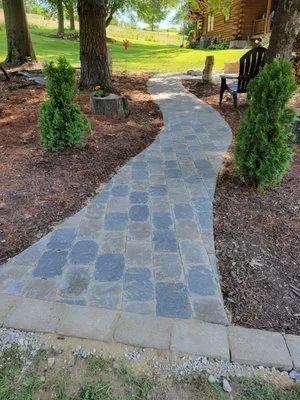
Since 1995, EarthWorks Landscape Design has been a trusted, full-service design/build firm serving the Quad Cities and surrounding areas of Illinois and Iowa. We specialize in transforming both reside...
Estimated Landscaping Service Costs in Milan, IL
FAQs
We have an invasive vine taking over a garden bed. What's the safest way to remove it?
Proper identification is critical, as common invaders like creeping Charlie or bindweed require specific treatment protocols. For most broadleaf weeds, a targeted spot-treatment with a selective, non-P herbicide applied during active growth is effective. Crucially, any application must adhere to the Illinois Phosphorus Application Act, which prohibits fertilizer or herbicide use on frozen or saturated ground to prevent runoff into waterways. Manual removal of root systems is often a necessary follow-up.
I'm tired of weekly mowing and gas blower noise. Are there lower-maintenance, quieter options?
Transitioning perimeter areas to a native plant community is a strategic, forward-looking choice. Species like Purple Coneflower, Butterfly Milkweed, and Little Bluestem require no mowing, minimal water once established, and support local pollinators. This xeriscaping approach dramatically reduces dependency on gas-powered maintenance, aligning with evolving community noise expectations and providing a resilient, biodiverse landscape that thrives in Zone 5b with little intervention.
We need some regrading done. Why is it so important to hire a properly licensed contractor?
Significant earthwork like regrading alters water flow and can impact neighboring properties, making it a regulated activity. In Illinois, such work often requires a licensed professional engineer or a contractor holding specific credentials from the Illinois Department of Financial and Professional Regulation. For a 0.25-acre lot in Milan, the Village Building & Zoning Department will likely require a permit and a site plan demonstrating proper drainage away from foundations, ensuring the work meets municipal code and prevents future liability issues.
We want a green lawn but are worried about water use. How can a modern irrigation system help?
A Wi-Fi ET-based irrigation controller is the solution, precisely aligning water application with actual plant need. It uses local weather data to calculate evapotranspiration (ET), automatically adjusting runtime to replace only the water lost. This technology maintains Kentucky Bluegrass and Tall Fescue within their optimal hydration zone while conserving significant water, a prudent practice even under Milan's current Stage 0 restriction status. It effectively eliminates the waste of timer-based watering.
We're adding a patio. Are concrete pavers a better long-term choice than wood?
For longevity and minimal upkeep in Milan's climate, concrete pavers are superior to wood. They are impervious to rot, insect damage, and the freeze-thaw cycles of Zone 5b when installed with a proper base. While wood requires regular sealing and eventual replacement, pavers offer a permanent solution. Their non-combustible nature also contributes to defensible space, a minor but relevant factor given the area's low Fire Wise rating, by creating a fire-resistant zone near the home.
Our yard stays soggy for days after rain. What can be done about the poor drainage?
Soggy conditions are a direct result of Milan's high seasonal water table and the poor infiltration capacity of silty clay subsoils. Correcting this requires a two-part approach: first, installing subsurface French drains or dry wells to intercept and redirect groundwater; second, replacing impervious surfaces with permeable materials like crushed limestone or specific concrete pavers. These strategies increase onsite infiltration and can help property drainage plans meet Village of Milan runoff management standards.
Our lawn seems thin and water just pools on top. Is this just a bad season, or is there a deeper issue with the soil?
Properties in Milan Heights, typically built around 1969, have mature soils over 55 years old. The prevalent silty clay loam becomes heavily compacted over decades, reducing permeability and creating a dense layer that prevents water infiltration and root growth. This explains the surface pooling and thin turf. Core aeration, performed in spring or fall, is essential to break this layer, followed by top-dressing with compost to rebuild organic matter and improve soil structure for long-term health.
A major storm has downed a large limb in our yard. What is your typical response time for emergency cleanup?
Our standard emergency response window is 20-30 minutes from dispatch during peak hours. For Milan Heights, our primary routing originates from the Milan Bottoms Conservation Area, utilizing I-280 for the most direct access to the neighborhood. This protocol prioritizes safety and road clearance, with crews equipped to handle initial debris removal and secure the site to prevent further property damage or hazard.
