Top Landscaping Services in Metropolis, IL, 62910 | Compare & Call

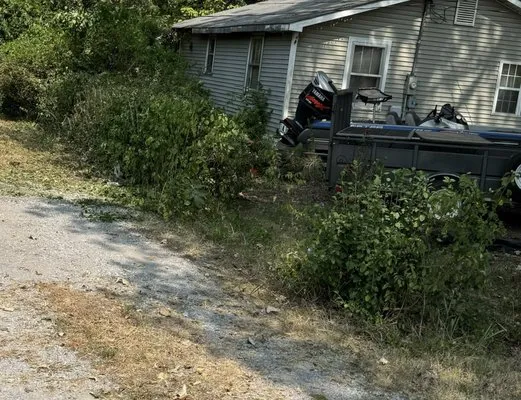
At Alpha Lawn Care & Cleaning Services in Metropolis, IL, we believe in treating every property with the same care and attention we give our own. Our foundation is built on forming trustworthy, respec...
Agans Lawn Care & Maintenance is your neighbor-owned lawn service in Metropolis, IL. I started this business as a dad looking to earn a little extra for the family, which means I treat every lawn with...
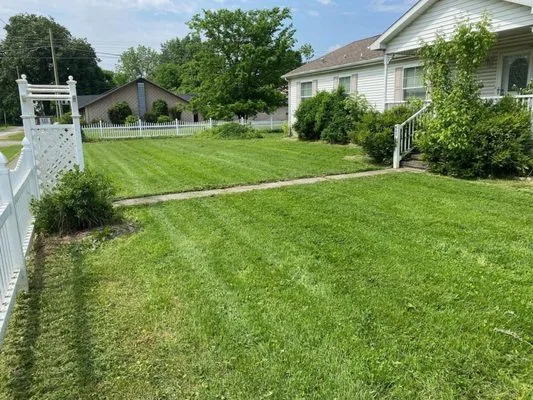
Father & Son Lawn Care is a trusted, family-owned lawn service provider serving Metropolis, IL homeowners with reliable and professional care. We specialize in comprehensive lawn maintenance to tackle...
Wilkins Consolidated is a family-owned general contracting and lawn care business built on over 25 years of construction experience, now proudly serving Metropolis, IL. As a new business with a season...
FAQs
How should I manage invasive plants without harming nearby waterways?
Japanese knotweed and garlic mustard present the highest invasion risks in Metropolis. Mechanical removal during early growth stages proves most effective, avoiding phosphorus-based fertilizers prohibited within 25 feet of waterways. For persistent infestations, targeted glyphosate applications in fall minimize drift and runoff. Always coordinate treatments around the fertilizer ordinance's blackout dates to protect aquatic ecosystems while restoring native plant dominance in the landscape.
Why does my soil seem compacted and lifeless compared to newer neighborhoods?
Metropolis Historic District homes average 59 years of age since construction in 1967. This extended timeline has allowed silt loam soil to develop significant compaction from decades of foot traffic and traditional maintenance practices. The pH range of 6.2-6.8 indicates adequate acidity for most plants, but poor soil structure limits root penetration and water infiltration. Core aeration combined with organic amendments like composted leaf litter can restore permeability and microbial activity in these mature landscapes.
Are concrete pavers better than wood for patio surfaces in our climate?
Concrete pavers and local limestone offer superior longevity to wood in USDA Zone 7a, with 30+ year lifespans versus wood's 10-15 years. These materials maintain structural integrity through freeze-thaw cycles that degrade wooden surfaces. For low fire-wise rating areas like urban interfaces, non-combustible hardscapes create defensible space without contributing fuel loads. The thermal mass of stone and concrete also moderates microclimate temperatures around structures more effectively than wood alternatives.
My yard floods during heavy rains despite having good soil. What solutions work here?
Silt loam surfaces often drain adequately, but clay subsoil compaction creates moderate runoff issues common in Metropolis. Permeable concrete pavers or local limestone installations increase infiltration rates while meeting Building & Zoning Department runoff standards. These materials allow 30-50% of rainfall to percolate downward rather than flowing toward storm drains. Combining permeable hardscapes with French drains addresses both surface and subsurface water movement effectively.
Will smart irrigation keep my lawn healthy during dry periods without violating water restrictions?
Wi-Fi ET-based weather sensing irrigation calculates evapotranspiration rates specific to Metropolis microclimates. This system applies water only when Tall Fescue actually needs it, typically reducing usage 20-40% compared to traditional timers. During Stage 0 restrictions, the technology prevents overwatering that could trigger future limitations. The approach maintains turf health through precise moisture management while conserving municipal water resources for essential needs.
How quickly can you respond to storm damage that violates HOA appearance standards?
Emergency cleanup crews dispatch from the Superman Statue area, taking I-24 directly to the Historic District. During peak conditions, arrival occurs within 20-30 minutes with electric equipment that complies with standard noise limits. The response prioritizes safety hazards like downed limbs followed by aesthetic violations. This routing minimizes disruption while addressing both immediate dangers and compliance deadlines within the neighborhood's preservation guidelines.
What permits and qualifications should I verify before hiring for grading work?
The Metropolis Building & Zoning Department requires permits for any grading altering more than 100 square feet or changing drainage patterns. On 0.22-acre lots, even modest regrading often triggers this threshold. Contractors must hold Illinois Department of Financial and Professional Regulation licensing for landscape construction, ensuring they understand soil mechanics and local codes. Unpermitted grading risks fines up to $5,000 and mandatory restoration at owner expense, making verification essential before excavation begins.
What alternatives exist for high-maintenance lawn areas that require frequent mowing and blowing?
Replacing turf with native plantings like Eastern Redbud, Purple Coneflower, Butterfly Milkweed, and Little Bluestem reduces maintenance frequency by 60-80%. These species require no gas-powered blowers, aligning with evolving noise ordinance trends toward electric equipment. Native plant communities support local pollinators while demanding less water and fertilizer. The transition creates resilient landscapes that anticipate stricter emissions regulations for small engines in urban interfaces.
