Top Landscaping Services in Melrose, IL, 62301 | Compare & Call
There are 86 landscaping companies server in Melrose IL
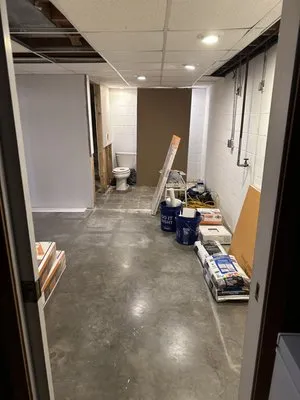
SAGE Construction & Landscaping is a trusted, locally owned and operated business serving Carbondale and the surrounding Southern Illinois communities. With many years of hands-on experience, we've bu...
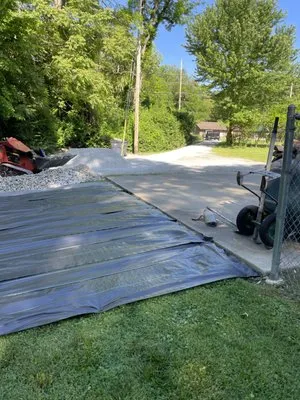
B&D Land Management is a veteran-owned and operated excavation and landscaping business serving New Athens, IL, with years of hands-on experience in moving dirt and operating various machinery. Founde...
Premier Lawn & Land is a Veteran Owned and Operated lawn care and land maintenance company serving Ogden, IL. Founded by Ryan, who started the business after discovering his passion for this work, the...
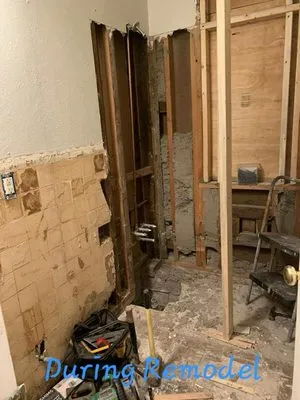
Best-Way Construction & Lawncare is a trusted local contractor serving Middletown, IL, specializing in construction, remodeling, and lawn services. With expertise in everything from appliance installa...
Curt Swigert Landscaping is a trusted local landscaping business serving Blue Mound, IL, and the surrounding area. We specialize in addressing common local landscaping challenges, particularly yard dr...
Zane's Lawn Care is your trusted local lawn service provider in Carmi, IL, dedicated to creating and maintaining healthy, resilient lawns tailored to our unique regional climate. We understand the com...
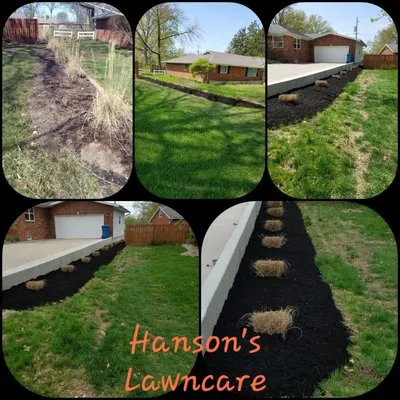
Hanson's Lawn Care is a family-owned lawn service business serving Centralia, IL since 2018. We specialize in comprehensive lawn care, gutter services, and snow removal, with a focus on personalized s...

Ricketts Lawncare is a locally owned and operated lawn service business in Beckemeyer, IL, founded by an experienced professional who previously worked for several companies before starting his own ve...
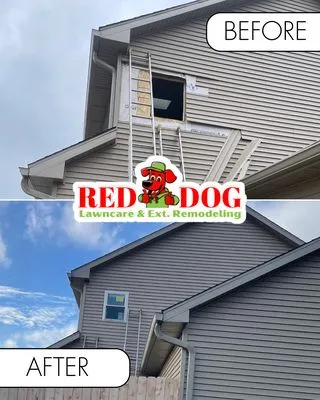
Red Dog Lawn Care & Exterior Remodeling is a locally owned and operated business serving Champaign, IL. We started with a simple dream: to create and maintain beautiful outdoor spaces for our communit...
Mid-America Lawncare & Landscaping has been a trusted name for lawn services in Charleston since 2014. Our journey to full-time operation was driven by a simple goal: creating satisfaction for our nei...
Estimated Landscaping Service Costs in Melrose, IL
Questions and Answers
What low-maintenance alternatives work for my small yard?
Transitioning sections to native plantings like Purple Coneflower, Common Milkweed, and Little Bluestem reduces maintenance frequency while supporting local pollinators. These species require minimal watering once established and eliminate weekly mowing cycles. The shift aligns with evolving noise ordinances restricting gas-powered equipment hours. Wild Bergamot and Prairie Dropseed provide year-round visual interest with substantially reduced resource inputs.
How do I maintain my lawn during Stage 1 water restrictions?
Smart Wi-Fi controllers with soil moisture sensors optimize irrigation by tracking evapotranspiration rates and soil saturation levels. These systems deliver precise water volumes only when the Kentucky Bluegrass/Tall Fescue blend shows actual need, typically reducing usage 30-40% versus traditional timers. Programming follows municipal guidelines while preserving turf health through deeper, less frequent watering cycles. This approach maintains landscape integrity within voluntary conservation parameters.
Are concrete pavers better than wood for patio longevity?
Concrete pavers offer superior durability in USDA Zone 6a conditions, with 25+ year lifespans versus wood's 10-15 years with regular maintenance. Their non-combustible nature supports the Low Urban Non-WUI fire rating by creating defensible space without fuel accumulation. Properly installed with polymeric sand joints, paver systems accommodate freeze-thaw cycles while maintaining permeability. This material selection balances longevity with environmental performance standards.
What solutions exist for persistent yard flooding?
Compacted urban soils in Melrose Park exhibit poor infiltration rates, exacerbating surface water accumulation. Installing permeable concrete pavers or crushed limestone hardscapes creates subsurface drainage channels while meeting Village of Melrose Park Building Department runoff standards. French drains or dry wells connected to these permeable surfaces redirect water from foundation areas. These interventions address moderate drainage hazards characteristic of silty clay loam profiles.
What permits and licenses are needed for landscape grading?
Grading projects on 0.15-acre Melrose Park lots require Village of Melrose Park Building Department permits for soil disturbance exceeding 6 inches depth. Contractors must hold Illinois Department of Financial and Professional Regulation landscaping licenses for earth-moving operations. These regulations ensure proper drainage patterns and prevent neighborhood runoff issues. Professional licensing verifies competency in erosion control and compliance with local grading ordinances.
How quickly can you respond to storm damage for HOA compliance?
Emergency cleanup crews dispatch from the Melrose Park Public Library area, accessing I-290 for efficient routing throughout the village. During peak conditions, arrival occurs within 20-30 minutes with electric equipment that complies with noise ordinances. The response prioritizes safety hazards like downed limbs while documenting conditions for insurance purposes. This rapid deployment minimizes violation risks during critical weather events.
Why does my Melrose Park lawn struggle despite regular watering and fertilizing?
Melrose Park's 1957-era homes sit on 69-year-old soil profiles where decades of compaction have degraded the original Mollisols. Silty clay loam with pH 7.2 naturally resists water infiltration, creating anaerobic conditions that starve grass roots. Core aeration every 2-3 years introduces oxygen channels while top-dressing with composted organic matter improves soil structure and microbial activity. This addresses the fundamental permeability issues common in Melrose Park Village Center lots.
How should I handle invasive plants without chemical overuse?
Identify common Midwest invaders like garlic mustard or buckthorn through seasonal growth patterns before they establish. Mechanical removal during early growth stages prevents seed dispersal without triggering Illinois Phosphorus Application Act restrictions. Targeted spot treatments using approved herbicides follow soil test recommendations for specific deficiencies. This integrated approach manages invasions while maintaining regulatory compliance throughout treatment cycles.
