Top Landscaping Services in Mattoon, IL, 61938 | Compare & Call
There are 65 landscaping companies server in Mattoon IL

Weck's Lawn & Janitorial Service is your trusted, full-service partner for a pristine property in Mattoon, IL. We specialize in both professional office cleaning and comprehensive landscaping, offerin...
Mikes Mowing and Yard Care is a trusted local lawn service provider in Mattoon, IL, specializing in comprehensive lawn care solutions tailored to the area's specific needs. We understand that Mattoon ...

Stewart's Lawn Care is a locally owned and operated landscaping business in Charleston, IL, founded by Jeremiah Stewart. We specialize in comprehensive lawn and shrub care, from routine maintenance to...
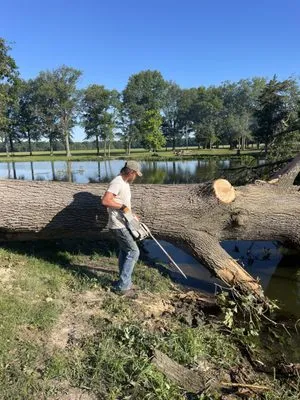
APM Tree Service, based in Louisville, IL, is a locally owned and operated business founded by Austin Micciancio in July 2023. We are passionate about expert tree care, offering services including tre...
Over The Top Land Improvement
Over The Top Land Improvement is a locally owned and operated excavation and landscaping company serving Neoga, IL, and the surrounding areas. With years of experience in the field, we specialize in a...
Estimated Landscaping Service Costs in Mattoon, IL
Common Questions
Can smart irrigation systems keep my Kentucky Bluegrass healthy under Mattoon's water conservation standards?
Smart Wi-Fi soil moisture sensor controllers optimize irrigation by delivering water only when ET rates indicate need, typically reducing usage by 30-50% compared to traditional schedules. These systems monitor Drummer Silty Clay Loam's moisture retention capacity and adjust for Kentucky Bluegrass's 1-1.5 inch weekly requirement during growing seasons. By preventing overwatering that exacerbates seasonal high water tables, this technology maintains turf health within municipal conservation guidelines without mandatory restrictions.
Why does regrading my 0.22-acre Mattoon lot require specific licensing and permits?
The Mattoon Building & Planning Department requires permits for grading altering more than 50 cubic yards of soil due to runoff implications in Drummer Silty Clay Loam watersheds. Contractors must hold Illinois Department of Financial and Professional Regulation licensing for earth moving operations, ensuring proper erosion control and drainage compliance. On 0.22-acre lots, even minor grade changes can redirect water toward neighboring properties or foundations, necessitating engineered solutions. Unpermitted work risks violation notices and costly remediation to meet municipal standards.
Are concrete pavers better than wood for durable, low-maintenance patios in Mattoon?
Concrete pavers offer superior longevity in Mattoon's climate, with 40+ year lifespans versus wood's 15-25 years when properly installed with permeable bases. Their non-combustible nature supports Low Fire Wise ratings by creating defensible space without fuel accumulation, though this is less critical in non-WUI zones. Crushed limestone pathways provide additional permeability while resisting frost heave in Drummer Silty Clay Loam. Both materials require minimal maintenance compared to wood's seasonal sealing and decay management.
Why does my 70-year-old Mattoon Historic District lawn have drainage issues despite regular care?
Mattoon Historic District properties built around 1956 have Drummer Silty Clay Loam soil that has compacted over 70 years of development. This soil type naturally has moderate permeability, and decades of foot traffic and conventional maintenance have reduced pore space, limiting water infiltration. Core aeration with organic amendments like composted leaf mold is essential to restore soil structure and improve percolation rates. Without this intervention, seasonal high water tables will continue to cause surface runoff and root zone saturation.
How quickly can you respond to an emergency tree cleanup after a storm in Mattoon?
Our electric maintenance fleet can dispatch from Peterson Park within 20-30 minutes during peak storm conditions, using I-57 for efficient routing to Mattoon Historic District properties. This rapid response meets HOA compliance deadlines while adhering to standard noise restrictions during quiet hours. Electric equipment operates below 60 decibels, allowing work within permitted timeframes without violating local ordinances. We prioritize safety assessments and debris removal to restore property access immediately.
What invasive species threaten Mattoon landscapes, and how are they managed safely?
Japanese knotweed and garlic mustard pose significant threats in USDA Zone 6a, exploiting disturbed soils in older neighborhoods. Treatment requires targeted herbicide applications during active growth phases, strictly following Illinois Lawn Care Products Application and Notice Act requirements for notification and blackout dates. Mechanical removal combined with mycorrhizae-inoculated native plantings prevents reinfestation while rebuilding soil biology. Always verify contractor licensing through the Illinois Department of Financial and Professional Regulation for pesticide applications.
What solutions address moderate runoff in my Mattoon yard with heavy clay soil?
Drummer Silty Clay Loam's slow permeability requires integrated drainage strategies beginning with French drains or dry wells to intercept subsurface flow. Permeable concrete pavers or crushed limestone hardscapes increase surface infiltration by 40-60% compared to solid concrete, meeting Mattoon Building & Planning Department runoff standards. Grading should direct water away from foundations toward rain gardens planted with native species that tolerate periodic saturation. These approaches collectively manage seasonal high water tables while preventing erosion.
How can I reduce maintenance while preparing for future electric equipment mandates?
Replacing high-maintenance turf with native plantings like Purple Coneflower, Butterfly Milkweed, and Little Bluestem creates resilient landscapes requiring minimal intervention. These species thrive in Drummer Silty Clay Loam without supplemental irrigation once established, eliminating weekly mowing and gas-powered equipment use. This transition aligns with evolving noise ordinances restricting gas blowers and supports 2026 biodiversity standards through pollinator habitat creation. Electric maintenance fleets then handle occasional upkeep without emissions or excessive decibel levels.
