Top Landscaping Services in Mascoutah, IL, 62221 | Compare & Call
There are 90 landscaping companies server in Mascoutah IL
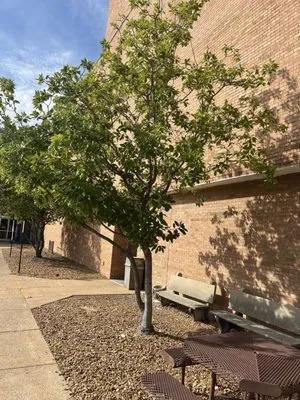
A&K Outdoor Services is a locally-owned, full-service lawn and landscaping company based in Caseyville, IL, dedicated to enhancing residential, commercial, industrial, and HOA properties throughout th...

Family Landscape Solutions is a Caseyville-based lawn and landscape company dedicated to transforming outdoor spaces for local homeowners. We specialize in comprehensive design and installation servic...

Lawn Doctor of Edwardsville provides professional, year-round lawn care, tree care, and pest control services for homeowners in the Metro East area. We understand the specific challenges Edwardsville ...
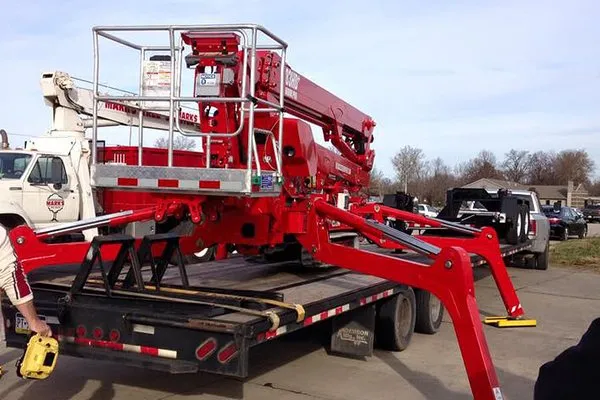
Since 1998, Mark's Tree Trim & Removal has been a trusted name in Edwardsville, built from a simple desire to help neighbors after storms. What began with a few chainsaws has grown into a comprehensiv...
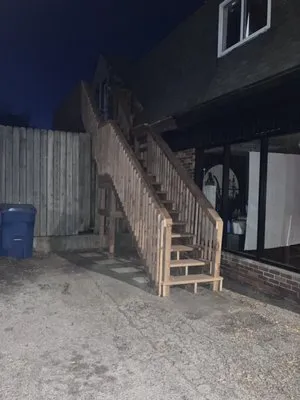
Based in Collinsville, Vaughn’s Fencing & Remodel brings decades of hands-on trade experience and a commitment to getting the details right. We're a local team of skilled professionals who take genuin...
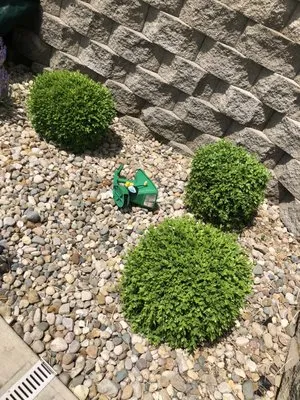
Hernandez Home Improvements is a trusted, family-owned business serving Collinsville, IL, with comprehensive home and landscape services. We specialize in landscaping, snow removal, and painting, offe...
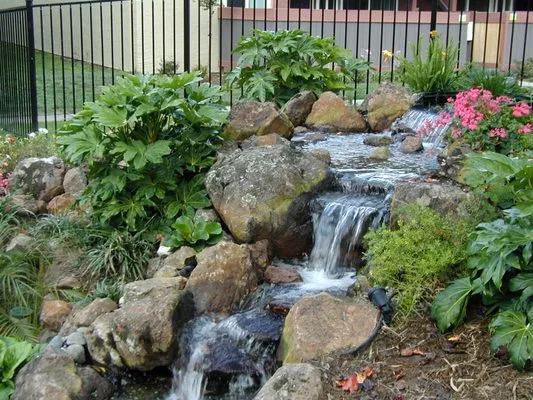
New View Landscaping is a full-service landscaping company serving Shiloh, IL, specializing in landscape design, construction, maintenance, irrigation, and lighting. We help homeowners and businesses ...
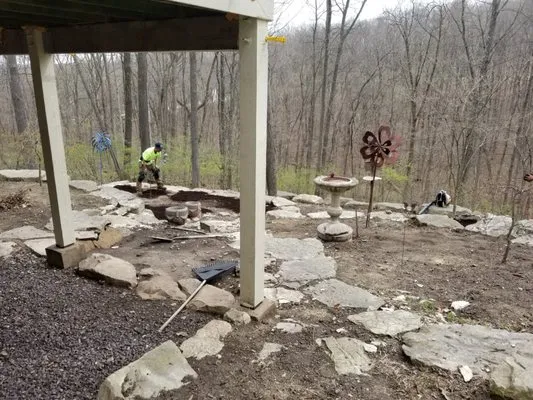
Saldana's Company
Saldana's Company is a family-owned landscaping and masonry business serving Fairview Heights and the St. Louis Metro East since 2004. Founded by Jose Saldana, who started with basic mowing services, ...
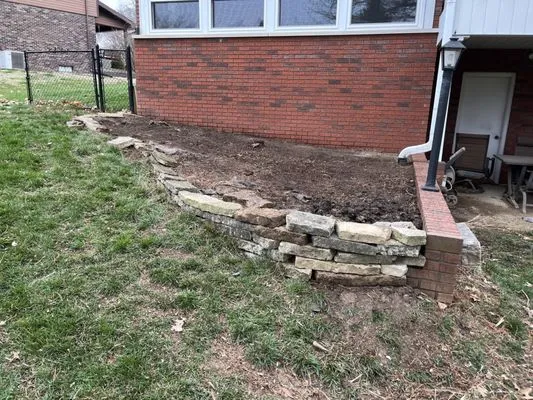
Baileys Landscape & Design
Baileys Landscape & Design is a Granite City-based landscape installation, hardscape, and design/build business committed to year-round client satisfaction. We offer a comprehensive range of services ...
Xpress Lawn Solutions has been providing reliable lawn care and property maintenance services to the Caseyville community since 1999. With over two decades of experience, our team specializes in compr...
Estimated Landscaping Service Costs in Mascoutah, IL
Common Questions
What are the biggest lawn weed threats and how should I handle them?
In established Mascoutah lawns, invasive species like creeping Charlie and wild violet are primary concerns. Effective management requires a two-stage approach: a post-emergent herbicide application in late spring when weeds are actively growing, followed by a fall pre-emergent to prevent germination. All treatments must use phosphorus-free fertilizers as required by local ordinance. Always apply according to label directions to protect surrounding native plantings in garden beds.
How quickly can a crew respond for an emergency cleanup or HOA violation notice?
A crew dispatched from Scheve Park can reach most Downtown Historic District properties in 15-20 minutes during peak hours via IL-177. This timeframe is standard for storm debris removal or urgent compliance work. We prioritize these calls with a two-crew rotation to ensure rapid response, coordinating directly with property managers to resolve issues before fines are levied.
Why does my lawn in the Mascoutah Historic District struggle to hold water?
Homes built around 1985 on the original silt loam soil have a 40-year soil profile. Construction compaction and decades of foot traffic have degraded the natural structure, creating a dense layer that impedes percolation. The clay-heavy subsoil common in this area further reduces infiltration. Core aeration and incorporating 2-3 inches of compost are required to rebuild organic matter and restore pore space for root growth and water movement.
Should I use concrete pavers or wood for a new patio?
Concrete pavers or limestone offer superior longevity and lower lifetime maintenance compared to wood, which requires regular sealing and eventual replacement. In our climate, pavers resist frost heave and moisture decay. For properties concerned with the Low Fire Wise rating, these non-combustible materials also contribute to defensible space by creating a fire-resistant zone adjacent to the home, an increasingly considered aspect of landscape design.
My yard floods after heavy rain. What's the best permanent solution?
Persistent pooling indicates the native silt loam topsoil is draining onto an impermeable clay subsoil. A tiered solution is most effective: first, install a French drain system to intercept subsurface water. Second, regrade the lot to create positive slope away from foundations. Finally, for any new patios, use permeable concrete pavers or limestone set on an open-graded base to increase surface infiltration and meet Mascoutah Planning & Zoning runoff management standards.
What permits and licenses are needed to regrade my quarter-acre lot?
Any significant regrading that alters stormwater flow requires a review and likely a permit from the Mascoutah City Planning & Zoning office. Furthermore, the contractor performing this work must hold appropriate licensing through the Illinois Department of Financial and Professional Regulation. This ensures they carry the required insurance and possess the technical knowledge for proper slope calculation and erosion control on a property of this size, protecting you from liability and substandard work.
Is a smart sprinkler system worth it in Mascoutah if there are no water restrictions?
Absolutely. Smart Wi-Fi ET-based controllers are a long-term conservation investment. They adjust watering schedules daily based on local evapotranspiration data, preventing overwatering of Tall Fescue during humid weeks or light rainfall. This technology maintains turf health while reducing your municipal water usage by 20-30%, proactively adhering to potential future conservation measures and lowering utility costs.
I'm tired of weekly mowing. What are my low-maintenance options?
Converting high-input turf areas to a native planting bed is the most ecologically sound choice. Species like Purple Coneflower, Butterfly Milkweed, and Little Bluestem are adapted to Zone 6b and require no fertilization, minimal watering once established, and only an annual cutting back. This reduces mowing frequency, eliminates gas-powered blower use ahead of tightening noise ordinances, and provides critical habitat, aligning with 2026 biodiversity initiatives.
