Top Landscaping Services in Marquette Heights, IL, 61554 | Compare & Call
There are 119 landscaping companies server in Marquette Heights IL
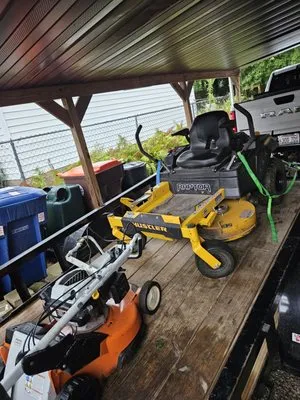
Glenn Perrine Lawn Care is a Peoria-based landscaping company with over 20 years of experience, founded by Glenn who started with a personally restored lawnmower. Specializing in landscape constructio...
D&D Landscaping and More is a trusted, locally-owned lawn care and snow removal company serving Peoria, IL. We specialize in comprehensive lawn care services and reliable snow removal to keep your pro...
JNR Home Services is a trusted lawn care provider serving Creve Coeur, IL, and surrounding areas. We specialize in comprehensive lawn care solutions designed to address common local landscaping challe...
Naturescapes is East Peoria's trusted partner for achieving a healthy, beautiful lawn. We specialize in comprehensive lawn care services designed to tackle common local challenges like poor lawn gradi...
Cayden Lawncare is a trusted lawn service provider serving East Peoria, IL, dedicated to helping homeowners maintain beautiful, healthy outdoor spaces. We specialize in comprehensive lawn care solutio...

Greenkeepers Fertilization Company
Greenkeepers Fertilization Company has been serving Washington, IL and Central Illinois since 1981, bringing over four decades of hands-on experience to every lawn care challenge. Originally founded a...
Beck's Lawn Care is a trusted local landscaping company serving Creve Coeur, IL, and surrounding areas. We specialize in addressing common residential landscaping challenges that homeowners face, such...
Hughes Lawn Care & Landscaping
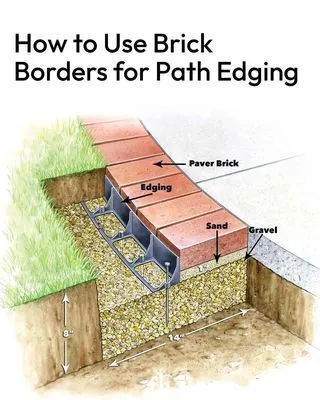
Hughes Lawn Care & Landscaping is your trusted, full-service partner for enhancing outdoor spaces in Bartonville, IL. We specialize in comprehensive lawn care, professional masonry, and concrete work,...

Moodys Clips is a trusted, locally-owned lawn care provider serving Peoria, IL. We specialize in addressing common local landscaping challenges like bare lawn patches and poor lawn grading, which can ...
Estimated Landscaping Service Costs in Marquette Heights, IL
FAQs
Should I consider replacing some lawn with native plants to reduce maintenance?
Transitioning high-maintenance turf areas to Purple Coneflower, Butterfly Milkweed, Little Bluestem, and Wild Bergamot creates resilient, low-input landscapes. These natives thrive in Zone 5b with minimal irrigation once established, reducing mowing frequency and fossil fuel use. This approach anticipates tighter noise ordinances on gas-powered equipment while supporting 2026 biodiversity standards through pollinator habitat creation.
What invasive species should I watch for, and how do I control them safely?
Garlic mustard and Japanese knotweed pose significant threats in Marquette Heights, outcompeting natives and degrading soil structure. Manual removal before seed set proves most effective, while targeted herbicide applications require careful timing to avoid Illinois Nutrient Loss Reduction Strategy blackout dates. Always verify treatment windows with the Illinois Department of Financial and Professional Regulation to prevent phosphorus runoff into watersheds.
Why does my Marquette Heights yard have such dense, slow-draining soil that struggles to support healthy grass?
Marquette Heights Residential District properties built around 1960 have approximately 66 years of soil development on silty clay loam. This soil type naturally compacts over decades, reducing permeability and oxygen availability to roots. Core aeration with organic amendments like composted leaf mold addresses compaction while maintaining the optimal pH 6.5-7.2 range. Regular soil testing every 2-3 years monitors nutrient balance in these mature landscapes.
Are concrete pavers better than wood for Marquette Heights patios and walkways?
Concrete pavers and crushed limestone aggregate outperform wood in longevity and fire resistance. These materials withstand freeze-thaw cycles in Zone 5b without rotting or warping, maintaining permeability to reduce runoff. For properties with moderate Fire Wise ratings, non-combustible hardscapes create essential defensible space while meeting Marquette Heights Building & Zoning Department requirements for durable, low-maintenance surfaces.
How quickly can you respond to an emergency tree cleanup after a storm in Marquette Heights?
Emergency storm response typically requires 20-30 minutes during peak conditions. Our electric maintenance fleet routes from Marquette Heights City Hall via IL-29 to minimize travel time while complying with 7:00 AM-9:00 PM noise restrictions. We prioritize safety assessments before debris removal, especially for properties with the moderate Fire Wise rating requiring 5-foot non-combustible buffers around structures.
What's the most efficient way to water my Kentucky Bluegrass and Tall Fescue blend during dry periods?
Smart Wi-Fi soil moisture sensor controllers optimize irrigation by measuring actual soil conditions rather than following fixed schedules. These systems adjust watering based on evapotranspiration rates and precipitation, typically reducing water use 20-40% while maintaining turf health. Even without formal water restrictions, this technology aligns with Illinois conservation standards by preventing runoff from the area's high clay content soils.
My yard floods every spring—what solutions work best for Marquette Heights' clay-heavy soil?
Seasonal water logging in silty clay loam requires integrated drainage solutions. French drains with clean gravel and perforated pipe redirect subsurface water, while permeable concrete pavers or crushed limestone aggregate hardscapes reduce surface runoff. The Marquette Heights Building & Zoning Department typically requires drainage plans showing how these systems manage stormwater without overwhelming municipal infrastructure.
What permits and licenses are needed for regrading my 0.25-acre Marquette Heights property?
Significant grading on 0.25-acre lots requires both Marquette Heights Building & Zoning Department permits and Illinois Department of Financial and Professional Regulation licensed contractors. Permits ensure proper drainage patterns that won't affect neighboring properties, while state licensing verifies expertise in soil management and erosion control. Unpermitted grading can violate municipal codes and create liability for downstream water issues.
