Top Landscaping Services in Maple Park, IL, 60151 | Compare & Call
There are 146 landscaping companies server in Maple Park IL
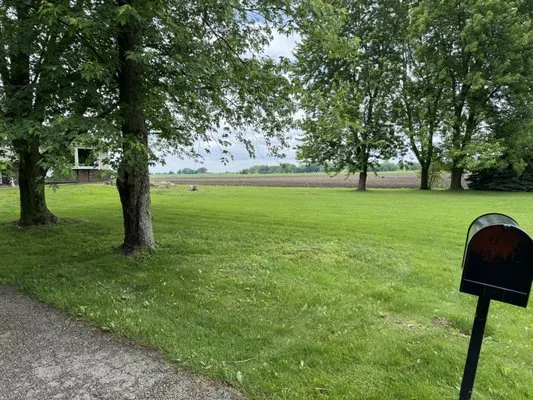
JM Premier Lawn Solutions is your trusted, local lawn care expert serving Sycamore, IL, and the surrounding areas. We specialize in comprehensive lawn care services designed to address the common chal...
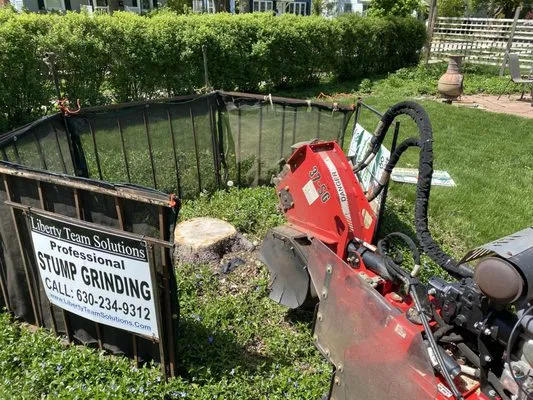
Liberty Team Solutions is a trusted, full-service outdoor company serving Elburn, IL, and the surrounding areas. We specialize in landscaping, tree services, and junk removal, providing comprehensive ...

Justin's Lawncare in Cortland, IL, is your trusted local lawn service provider, specializing in comprehensive lawn care to keep your property looking its best. We understand the common local challenge...

Grater Green is a Sycamore-based lawn care service dedicated to keeping local lawns healthy and vibrant. We specialize in comprehensive lawn maintenance tailored to the specific needs of Sycamore yard...
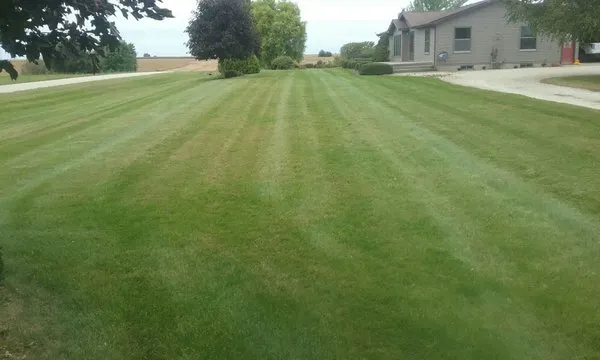
Caudle's Lawn Service & Landscaping is a trusted, locally owned and operated business serving the Waterman, IL community. We understand the unique challenges homeowners face with their landscapes, par...

The Best Lawn Maintenance is Maple Park's trusted local lawn care specialist, dedicated to solving the common landscaping challenges homeowners face in our community. We understand that issues like st...
New Image Lawn Care is a trusted lawn service provider in Sycamore, IL, dedicated to transforming local yards into healthy, beautiful spaces. We specialize in comprehensive lawn care solutions that di...
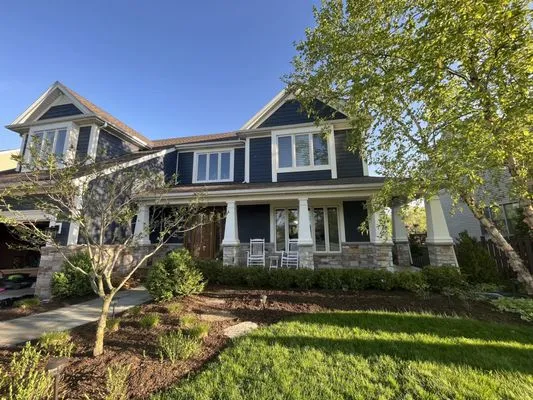
Evergreen Landscape Associates LLC
Evergreen Landscape Associates LLC has been serving Hampshire, IL, and the surrounding area since 1995. Founded by Bob Stell, a registered landscape architect with hands-on experience in every aspect ...
All in One Land and Labor Services is a Compton-based company providing essential property maintenance solutions, including pressure washing, landscaping, and moving services. We specialize in address...

S&S Land Ops is Sycamore's trusted local lawn care provider, dedicated to creating and maintaining healthy, beautiful yards that thrive in our unique Illinois climate. We understand the common local c...
Estimated Landscaping Service Costs in Maple Park, IL
Q&A
My HOA cited me for storm damage debris; how quickly can a crew arrive for compliance?
For emergency compliance cleanups, a crew dispatched from the Maple Park Civic Center can typically reach properties via IL-38 within 45 to 60 minutes during peak response windows. We prioritize these calls to mitigate further violation risks, coordinating with the Village of Maple Park Building Department for any required debris removal permits. Our electric fleet operates within the 9:00 PM to 7:00 AM noise ordinance, allowing for extended, quiet work hours if needed.
What invasive species should I watch for, and how do I remove them safely?
In Maple Park, watch for aggressive invaders like creeping Charlie, garlic mustard, and bush honeysuckle that outcompete natives. Manual removal is most effective for small infestations. For chemical control, always use a targeted, non-phosphorus herbicide applied by a licensed professional to comply with the Illinois Phosphorus Application Act. Timing is critical; applications are best in fall for perennial weeds, avoiding spring blackout dates to protect water quality and non-target plants.
My yard stays soggy for days after rain. What's the best long-term solution?
Persistent wetness is a hallmark of Drummer Silty Clay Loam and the area's seasonal high water table. The primary solution is improving subsurface drainage through French drains or dry wells, which may require a permit from the Village of Maple Park Building Department. For hardscape areas, replacing solid concrete with permeable concrete pavers or open-graded crushed limestone increases infiltration, reduces runoff volume, and helps meet local stormwater management standards.
What permits and credentials are needed to regrade my backyard?
Regrading a 0.35-acre lot in Maple Park often requires an earth disturbance permit from the Village of Maple Park Building Department to ensure proper stormwater management. The contractor must hold appropriate licensing through the Illinois Department of Financial and Professional Regulation. This is crucial because improper grading can alter drainage patterns, affecting neighboring properties and potentially violating village codes. Always verify both the permit and the professional license before work begins.
Why does my lawn struggle to grow, and is it related to my house's age?
Maple Park Village Center homes built around 1998 typically have 28-year-old Drummer Silty Clay Loam that has become compacted from construction and routine traffic. This soil type naturally restricts root growth and water infiltration, leading to thin turf and poor percolation. Core aeration in early fall is critical to relieve compaction, followed by top-dressing with compost to rebuild soil organic matter. This process directly addresses the low permeability and seasonal water table common in these lots.
How can I keep my Kentucky Bluegrass healthy during summer without violating water rules?
Maple Park's Stage 1 water restrictions align perfectly with modern Wi-Fi ET-based irrigation controllers. These systems use local weather data to apply only the precise water lost to evapotranspiration, preventing overwatering. For Drummer soil, programming multiple short cycles improves infiltration and avoids runoff. This technology maintains turf health within municipal limits by watering deeply but less frequently, encouraging drought-tolerant root systems in your Tall Fescue blend.
Are concrete pavers a better choice than wood for a new patio?
For longevity and low maintenance in Zone 5b, concrete pavers outperform wood. They resist frost heave, do not rot, and their modular design allows for excellent permeability when installed with sand joints. For fire safety in this Low Fire Wise rating area, pavers and crushed limestone provide superior defensible space compared to combustible wood decks. Their durability also means a lower lifecycle cost and less material waste over time.
Is there a lower-maintenance, eco-friendly alternative to my traditional grass lawn?
Transitioning sunny areas to a native prairie planting using Little Bluestem, Purple Coneflower, and Prairie Dropseed significantly reduces water, mowing, and chemical inputs. These deep-rooted plants excel in Zone 5b and Drummer soil, building soil health and supporting local biodiversity. This xeriscaping approach also future-proofs your property against evolving noise ordinances that restrict gas-powered blowers and mowers, as these plantings require minimal seasonal maintenance.
