Top Landscaping Services in Maine, IL, 60016 | Compare & Call
There are 213 landscaping companies server in Maine IL
Pulido Landscaping is a full-service landscaping contractor serving Des Plaines, IL, and the surrounding communities. We specialize in creating and maintaining beautiful, functional outdoor spaces, fr...
For over a decade, Ronnie Tomassetti Landscaping has been the trusted local expert for Glenview homeowners. We understand the unique challenges of our North Shore soil and climate, particularly the fr...
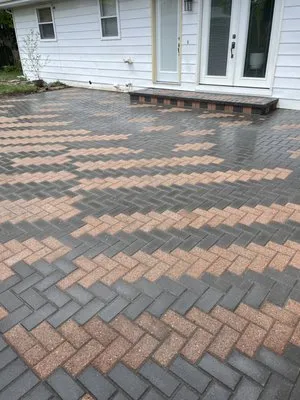
Zamudio Hardscapes is a full-service masonry, landscaping, and decking contractor serving Waukegan, IL. We specialize in creating and maintaining durable, beautiful outdoor spaces, from patios and ret...
Mario Herrera Landscaping is a trusted, locally-owned landscaping company serving Des Plaines, IL, and the surrounding communities. We specialize in diagnosing and resolving the common lawn health cha...
Torcolese Landscaping is a dedicated, locally-owned landscaping company serving Niles, IL, and the surrounding communities. We understand the unique challenges homeowners face in our area, such as ove...
Frontier Landscaping has been a trusted name in Morton Grove and the surrounding Illinois communities since 1988. Founded on a commitment to quality and durability, we are a family-owned, full-service...
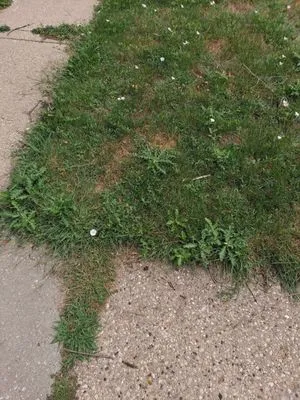
Perfect Lawn & Snow Removal has been a trusted Mount Prospect landscaping partner since 1978, providing dependable service to both residential and commercial properties. We specialize in comprehensive...
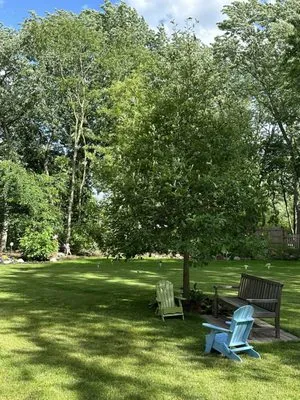
For nearly 50 years, George Cardenas Landscape Design has been a trusted partner for homeowners and businesses in Northbrook and the Northern Suburbs, building a reputation on personal attention and d...
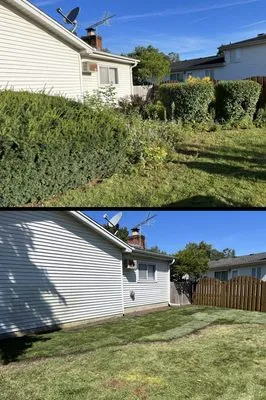
Hub's Landscaping is a family-owned and operated property maintenance company serving Arlington Heights, IL, and surrounding communities. We focus on understanding and meeting the specific wants, need...
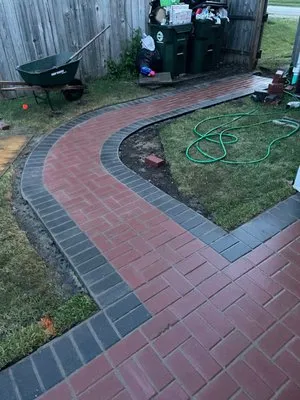
Vivas Landscaping is a full-service landscaping company serving Des Plaines, IL, and the surrounding communities. We understand the unique needs of local properties, from the common challenge of sprin...
Estimated Landscaping Service Costs in Maine, IL
Questions and Answers
What solutions address poor water infiltration in my flat, clay-heavy yard?
High clay content and flat topography create chronic drainage issues requiring integrated solutions. Installing French drains with clean gravel and perforated pipe at 1% slope redirects subsurface water, while replacing impermeable surfaces with permeable clay pavers increases infiltration rates by 40-50%. These modifications meet City of Park Ridge Community Preservation and Development runoff standards by reducing peak flow volumes during storm events through distributed absorption.
What permits and licensing are required for grading work on my 0.22-acre property?
Grading projects exceeding 50 cubic yards of soil movement require City of Park Ridge Community Preservation and Development permits with engineered drainage plans. Contractors must hold Illinois Department of Financial and Professional Regulation landscaping licenses with bonding for earthwork exceeding $5,000 in value. On 0.22-acre lots, even modest regrading often triggers review due to potential runoff impacts on neighboring properties, necessitating licensed professionals who carry appropriate liability coverage.
How quickly can you respond to an emergency storm cleanup to meet HOA compliance deadlines?
Our electric maintenance fleet departs from Maine Park Leisure Center within 15 minutes of notification, using I-294 for direct access to Park Ridge neighborhoods. This routing maintains 20-30 minute arrival times even during peak traffic, with electric equipment operating within noise ordinance hours for immediate debris removal. We prioritize properties with safety hazards or imminent HOA violation notices, documenting conditions with time-stamped photos for compliance verification.
What's the safest approach to treating invasive species without violating fertilizer regulations?
Targeted manual removal and spot-treatment with EPA-approved herbicides during active growth phases address invasive species while complying with Illinois Nutrient Management Plan phosphorus restrictions. We schedule treatments outside blackout dates for established lawns, using soil tests to identify specific nutrient deficiencies rather than blanket applications. This precision approach minimizes chemical use while preventing invasive spread through proper disposal of contaminated plant material.
How can I reduce maintenance while preparing for stricter noise ordinances?
Replacing high-maintenance turf areas with native plantings like Purple Coneflower, Little Bluestem, and Prairie Dropseed creates self-sustaining landscapes that require minimal intervention. These deep-rooted species thrive in Zone 5b conditions without frequent mowing or blowing, aligning with evolving restrictions on gas-powered equipment. Transitioning 30-40% of lawn to native beds reduces seasonal leaf cleanup by 60% while supporting local pollinator populations.
Why does my Park Ridge lawn have such compacted soil that needs annual aeration?
Mollisols silty clay loam soil in Park Ridge naturally compacts over time, especially on lots with 1965-era construction where 61 years of foot traffic and equipment weight have reduced pore space. This soil type has moderate permeability that declines without intervention, requiring core aeration every 1-2 years to maintain oxygen levels above 10% in the root zone. Adding 0.25 inches of compost after aeration introduces organic matter that improves soil structure and water retention in clay-heavy profiles.
Can I maintain healthy turf while following Stage 1 water conservation guidelines?
Wi-Fi ET-based weather sensing controllers automatically adjust irrigation schedules using real-time evapotranspiration data from local weather stations. These systems reduce water use 20-30% compared to traditional timers while preserving Kentucky Bluegrass and Tall Fescue blends through strategic deep watering cycles. Programming occurs during cooler morning hours to minimize evaporation loss, staying well within voluntary conservation limits while maintaining turf health during drought periods.
Are clay pavers better than wood for durable, low-maintenance landscaping?
Clay pavers offer superior longevity with 50+ year lifespans versus wood's 10-15 year replacement cycle in Illinois freeze-thaw conditions. Their non-combustible nature supports Low Fire Wise ratings in urban-suburban interfaces by creating defensible space without fuel accumulation. Crushed limestone bases provide stable drainage layers that prevent heaving, while modular designs allow for future reconfiguration without complete demolition, reducing long-term material waste.
