Top Landscaping Services in Mackinaw, IL, 61755 | Compare & Call
There are 67 landscaping companies server in Mackinaw IL
A&D Lawncare is your trusted local solution for lawn services and clean-up in Mackinaw, IL. We understand that local homeowners often face frustrating landscaping problems like dying shrubs and the da...
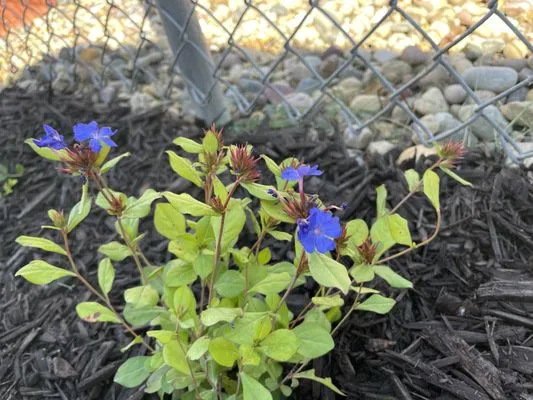
Buckley's Mowing Service is a family-run business rooted in a lifelong dedication to hands-on craftsmanship. Founded by a husband-and-wife team with decades of combined experience in landscaping and g...

Elite Turf is a locally owned lawn care company serving Bloomington, IL, and surrounding areas within a 100-mile radius. Founded in 2006, we specialize in comprehensive lawn care services, including w...
KnKs Landscaping is a full-service McLean, IL landscaping company dedicated to enhancing and maintaining your property. We specialize in comprehensive shrub care, landscape design, construction, and s...

The Sod Father is a dedicated lawn care service in Bloomington, IL, specializing in tackling the common local problems of bare lawn patches and lawn insect damage. We provide expert lawn care services...
Slicks Lawn Care is a dedicated lawn service provider serving Peoria, IL, and the surrounding areas. We specialize in comprehensive lawn care solutions designed to tackle the common local challenges h...
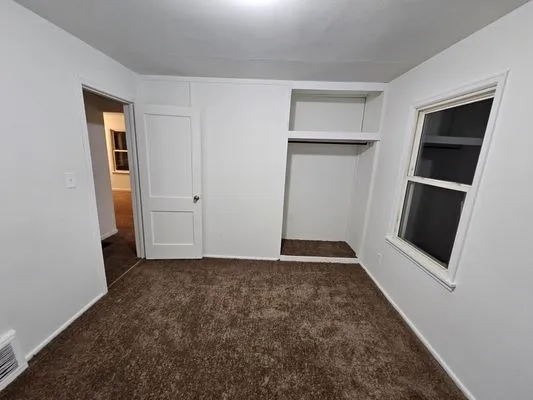
All Around Property Solutions is a locally owned and operated business in East Peoria, IL, dedicated to comprehensive outdoor care. We specialize in tree services, lawn maintenance, and pressure washi...
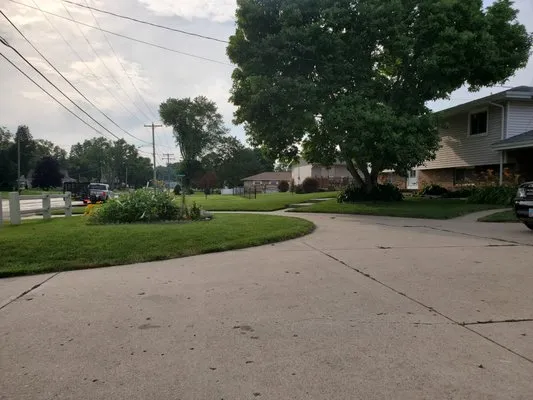
I Will Lawn Care is a dedicated lawn service provider in Peoria, IL, specializing in comprehensive lawn care to keep your property looking its best. We understand that local homeowners often face issu...
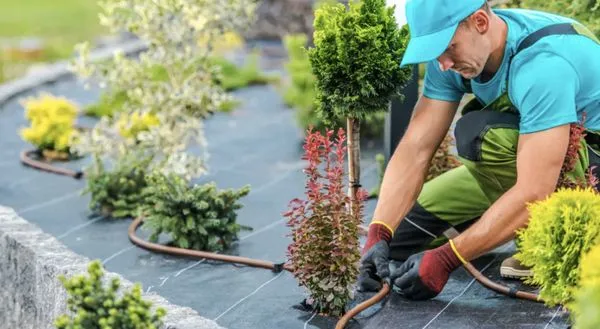
Premier Landscape Services in Pekin, IL, is a full-service design and lawn care provider dedicated to enhancing local outdoor living. Our team of experienced landscape architects specializes in creati...
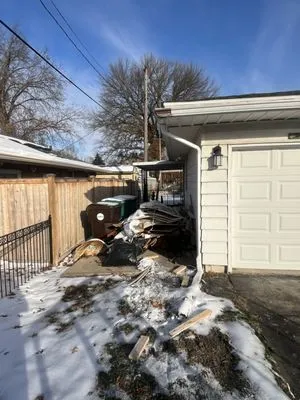
Davon Fitzpatrick started Davon's Lawn & More with a single push mower and a dream to build a better future for his sons. After nearly nine years of hard work, often balancing two jobs, the business h...
Estimated Landscaping Service Costs in Mackinaw, IL
Common Questions
Why does my lawn in Mackinaw Village Center feel so dense and compacted, and what can I do about it?
Homes built around 1969, like many in this neighborhood, have over 55 years of soil maturation. The underlying silt loam, while fertile, develops significant compaction and reduced permeability from decades of standard maintenance. This creates a high clay subsoil content, limiting root depth and water percolation. Core aeration in spring and fall, paired with top-dressing compost, is essential to reintroduce organic matter and improve soil structure for healthier turf.
My yard has moderate seasonal ponding. What's a long-term solution that also looks good?
Seasonal ponding indicates poor drainage through the high-clay subsoil common to local silt loam. A functional solution involves creating a dry creek bed or French drain using permeable crushed limestone aggregate. This system moves water away from foundations while meeting Village of Mackinaw runoff standards. Integrating concrete pavers for patios or paths further enhances surface permeability, addressing the ponding at its source.
How quickly can a crew respond for an emergency cleanup after a storm in Mackinaw?
For urgent HOA compliance or storm damage, a crew can typically dispatch from the Mackinaw Valley Community Park staging area within 30 minutes during peak hours. The route via I-74 allows for efficient access to the Village Center, keeping the estimated travel time within the 20-30 minute window. This response accounts for local traffic and the 7:00 AM noise ordinance start time for electric equipment operation.
What do I need to know about permits and licenses for regrading my quarter-acre lot?
Regrading a 0.25-acre lot in Mackinaw often requires a permit from the Village of Mackinaw Zoning & Building Department, especially if it alters water flow to neighboring properties. The contractor must hold appropriate licensing through the Illinois Department of Financial and Professional Regulation. This ensures they understand soil mechanics and local codes, protecting you from liability related to improper drainage or structural damage.
I'm tired of weekly mowing. Are there lower-maintenance, eco-friendly options for my yard?
Transitioning high-maintenance turf areas to a native plant community is a forward-thinking solution. Species like Purple Coneflower, Butterfly Milkweed, Little Bluestem, and Wild Bergamot are adapted to Zone 5b and require no mowing, minimal watering, and no synthetic inputs. This biodiversity-rich landscaping also future-proofs your property against potential gas-powered equipment phase-outs under evolving noise ordinances.
For a new patio, are concrete pavers a better long-term choice than wood in our climate?
Concrete pavers offer superior longevity and lower lifetime maintenance compared to wood in Zone 5b's freeze-thaw cycles. They provide a stable, non-combustible surface which, while not a direct fire-wise requirement here in a low-risk zone, contributes to overall defensible space principles. Their modular design also allows for easier repair and better integration with drainage systems than solid concrete slabs.
Can I have a healthy lawn in Mackinaw without wasting water, even though there are no official restrictions?
Yes. Voluntary water conservation is best achieved using smart Wi-Fi soil moisture sensor controllers. These devices schedule irrigation based on actual evapotranspiration (ET) data and soil conditions, not just a timer. This precision prevents overwatering, which is common with Kentucky Bluegrass and Tall Fescue blends in silt loam. It maintains turf health while significantly reducing municipal water use, aligning with the Illinois Nutrient Loss Reduction Strategy.
What invasive species should I watch for, and how do I manage them safely?
In Mackinaw, watch for aggressive invaders like creeping Charlie, Canada thistle, and bush honeysuckle. Manual removal for small patches and targeted, systemic herbicide applications for larger infestations are effective. All treatments must comply with the Illinois Nutrient Loss Reduction Strategy, avoiding application before forecasted rain to prevent runoff. Correct identification and timing are crucial to protect native plantings.
