Top Landscaping Services in Looking Glass, IL, 62215 | Compare & Call
There are 101 landscaping companies server in Looking Glass IL

At Reliable Lawn Services in Swansea, IL, our work is built on a foundation of extensive, hands-on experience and a consistently positive, dedicated approach to every job. We understand that a beautif...
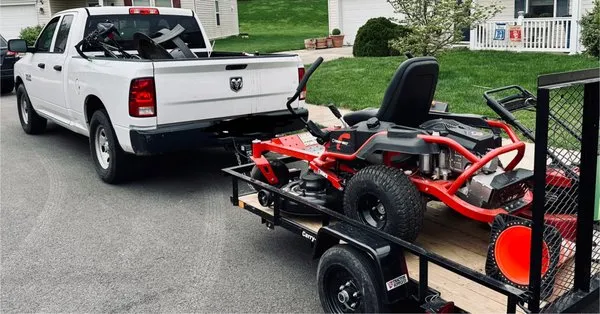
Nicky Mows is a solo-owned lawn care and junk removal service in Belleville, IL, founded by Nicky after years of frustration with dishonest corporate practices. Driven by a commitment to honest work a...

Ricketts Lawncare is a locally owned and operated lawn service business in Beckemeyer, IL, founded by an experienced professional who previously worked for several companies before starting his own ve...
Doug's Lawn Services is a trusted local provider in Lebanon, IL, dedicated to maintaining healthy, vibrant lawns for homeowners. We understand that many residents face common landscaping challenges, s...

Level It Excavating is a fully licensed excavating and landscaping company based in O'Fallon, IL, serving the St. Louis Metro East and Southern Illinois since 2005. We specialize in athletic field con...
Fun in the Sun Services
Fun in the Sun Services is a full-service landscaping and snow removal company serving O'Fallon, IL. We specialize in comprehensive outdoor solutions, including earthmoving, irrigation, hardscaping, a...
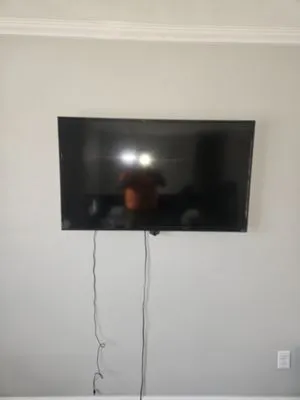
A&J Lawn and More is your trusted local handyman and lawn care service in O'Fallon, IL, offering comprehensive solutions for homeowners. We specialize in appliance installation, furniture assembly, pl...
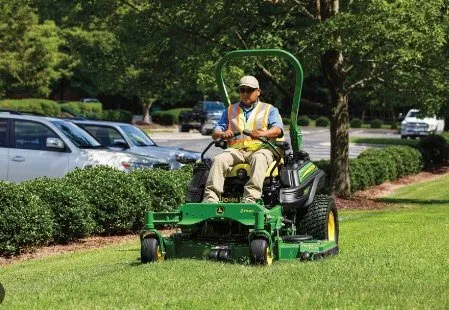
CM Lawn Care has been serving Lebanon, IL, for years with professional lawn care services. Our experienced team is dedicated to maintaining healthy, beautiful lawns for local residents. We understand ...

Legacy Home Solutions
Legacy Home Solutions is a Belleville-based outdoor services company specializing in comprehensive lawn care, landscape design, and irrigation systems. Our approach combines technical expertise with a...
K & N Design & Landscape is a Lebanon, IL-based landscaping and design company specializing in creating beautiful, functional outdoor spaces tailored to the local environment. With expertise in landsc...
Estimated Landscaping Service Costs in Looking Glass, IL
FAQs
What solutions exist for standing water in my yard?
Heavy clay subsoil beneath silt loam creates poor infiltration rates under 0.25 inches per hour. French drains with clean gravel and perforated pipe redirect surface water. Permeable concrete pavers with polymeric sand joints increase infiltration by 50% compared to solid concrete. The Looking Glass Building & Zoning Department requires runoff management plans for hardscape projects exceeding 500 square feet.
How can I reduce maintenance while supporting local ecology?
Replacing 30-50% of turf with Purple Coneflower, Butterfly Milkweed, Little Bluestem, and Wild Bergamot creates pollinator habitat while cutting mowing time by half. These natives require no fertilization and minimal irrigation once established. Transitioning to electric equipment prepares for potential gas-blower restrictions under the 8:00 PM-7:00 AM noise ordinance. This approach aligns with 2026 biodiversity standards for urban landscapes.
Can smart irrigation keep my lawn healthy during dry periods?
Smart Wi-Fi ET-based systems adjust watering to actual evapotranspiration rates, reducing Kentucky Bluegrass/Tall Fescue water needs by 30-40%. Stage 0 restrictions allow flexibility, but we program controllers to stay below municipal water budgets. Soil moisture sensors prevent irrigation during rainfall events. This technology maintains turf health while conserving approximately 15,000 gallons annually on typical Looking Glass Estates properties.
Are concrete pavers better than wood for patio longevity?
Concrete pavers with polymeric sand joints provide 25+ year durability versus wood's 10-15 year lifespan with maintenance. Their non-combustible nature supports the Low Fire Wise rating by creating defensible space. Proper installation with 4-6 inches of compacted base material prevents frost heave in USDA Zone 5b. Unlike wood, pavers require no sealing or replacement of rotten sections, though polymeric sand may need refreshing every 3-5 years.
What permits and licenses are needed for landscape grading?
Grading on 0.35-acre lots requires an Illinois Department of Financial and Professional Regulation licensed landscape contractor. The Looking Glass Building & Zoning Department issues permits for earth moving exceeding 50 cubic yards or altering drainage patterns. Professionals carry insurance covering $1 million in liability for property damage. Unlicensed grading risks fines up to $10,000 and may void property insurance during flood events.
What invasive species should I watch for in my garden?
Japanese knotweed and garlic mustard threaten Looking Glass ecosystems, spreading through root fragments and seed dispersal. Manual removal before seed set in early summer prevents chemical treatment needs. The Illinois Fertilizer Application Act prohibits phosphorus-containing fertilizers on impervious surfaces year-round. For persistent invasions, targeted glyphosate applications in fall minimize non-target impacts while complying with all local regulations.
How quickly can you respond to storm damage for HOA compliance?
Emergency cleanup crews dispatch from Looking Glass City Hall via IL-127 within 20-30 minutes during peak conditions. Our electric fleet bypasses noise ordinance restrictions for after-hours work. We prioritize safety hazards like downed limbs over cosmetic issues, documenting all work for HOA submission. Response time accounts for traffic patterns and crew availability across 0.35-acre lots.
Why does my soil seem compacted and lifeless compared to newer neighborhoods?
Looking Glass Estates homes average 49 years since construction in 1977, creating mature silt loam soil with heavy clay subsoil compaction. This age reduces permeability to 0.1-0.3 inches per hour, requiring core aeration every 2-3 years. Organic amendments like composted leaf mold at 1-2 cubic yards per 1000 sq ft rebuild soil structure. The pH 6.5-7.0 range indicates adequate mineral availability but poor biological activity.
