Top Landscaping Services in Long Lake, IL, 60041 | Compare & Call

There are 188 landscaping companies server in Long Lake IL
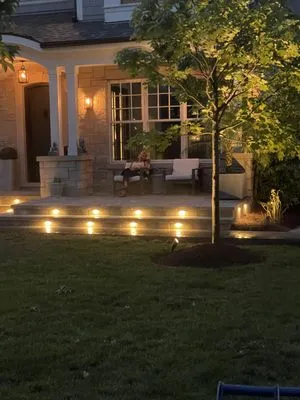
Manuel Brick Paving & Landscaping is a family-owned business that has been enhancing outdoor living in Waukegan and the North Shore since 2005. With over three decades of combined experience, we speci...
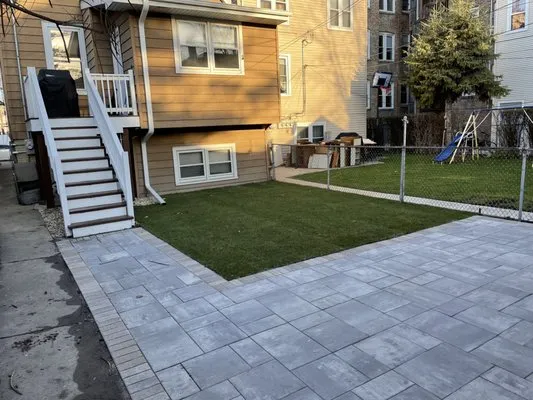
R.A.M. Landscape & Patio Design is a family-owned and operated landscaping business serving Chicago with over 15 years of experience. We specialize in transforming outdoor spaces through comprehensive...
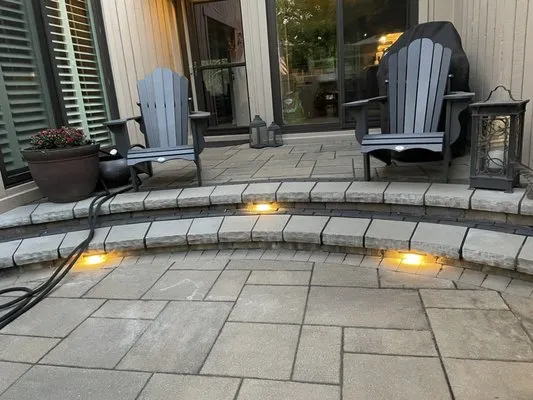
Ringers Landscape Services
Founded by local Crystal Lake native Erik Ringstrand, Ringers Landscape Services began as a dedicated passion project and has grown into a trusted, licensed, and insured contractor serving the Chicago...
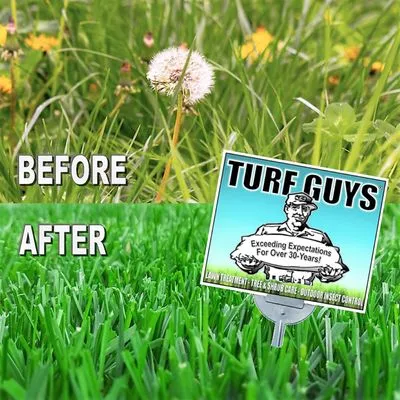
Turf Guys Inc. has been serving Lake Zurich, IL, since 1989, providing reliable lawn care, pest control, and tree services. With over 30 years of expertise, owner Paul leads a team of certified techni...
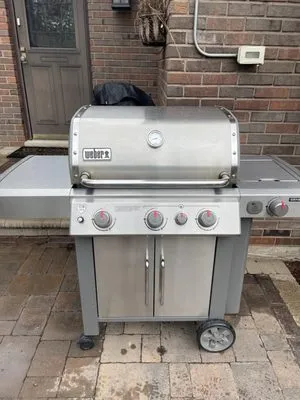
Better Backyards is a local landscaping and grill service company based in Palatine, IL, dedicated to enhancing outdoor living spaces for homeowners. We specialize in comprehensive outdoor services, i...

Mariani Landscape is a family-owned landscaping company serving Lake Bluff and the greater Chicagoland area since 1958. Founded by Vito Mariani, an Italian immigrant who started with garden maintenanc...
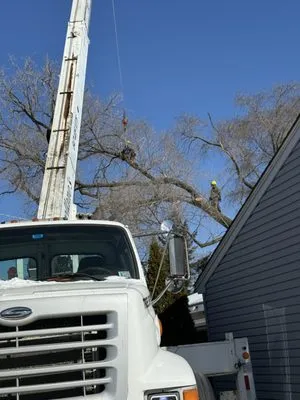
Neighbor Tree Service is a trusted, locally-owned tree care company serving Palatine and surrounding communities for over 25 years. As a licensed and certified arborist service, we specialize in compr...
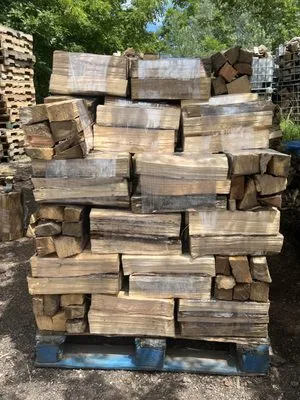
Original Tony's Landscaping & Firewood
Founded in 1998, Original Tony's Landscaping & Firewood is a family-owned business built on reliable, personalized service for Wadsworth, IL, and the surrounding Lake, Cook, DuPage, and McHenry counti...
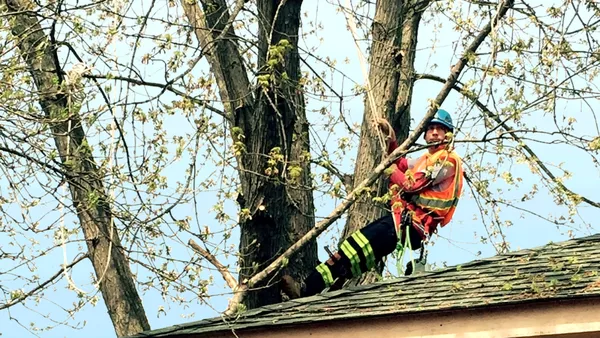
Adolfo Tree Services is a family-owned and operated business serving Carpentersville and the greater Chicagoland area since 2015. Founded by Alma and Adolfo Arriola, the company began with dedication ...
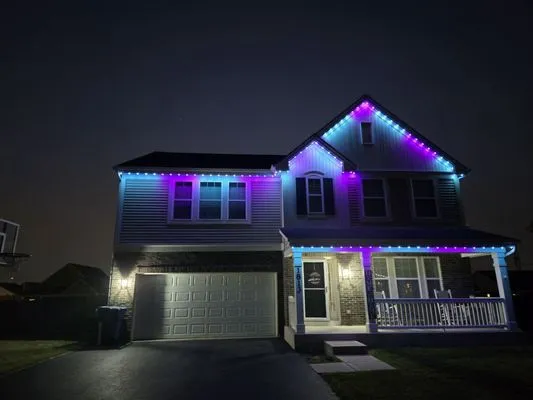
Revive Your Lawn is a McCook-based exterior service company founded in 2003, specializing in comprehensive outdoor property care. We started with snow removal for friends and neighbors and have grown ...
Estimated Landscaping Service Costs in Long Lake, IL
Q&A
My yard stays soggy long after rain. What's a lasting solution?
Seasonal high water tables and poor infiltration are common in Long Lake's dense Mollisols. The primary fix involves installing a French drain or dry well system to redirect subsurface water. For surfaces, using permeable concrete pavers or crushed limestone for patios and paths increases ground absorption. These solutions help manage runoff and often meet the Village of Long Lake Planning & Zoning Department's updated standards for stormwater management.
Why does the soil in my yard feel so compacted and dense?
Long Lake lots, particularly in the Village area, were largely developed around 1956. This means the soil structure has been maturing for 70 years, leading to significant compaction from foot traffic and machinery. The prevalent Mollisols/Loam, while naturally fertile, has poor permeability when compacted. Core aeration every other fall is critical to improve oxygen flow and water infiltration, which will revitalize the soil profile and root health.
Do I need a permit to regrade my yard or install a drainage system?
Yes. Regrading or altering drainage on a 0.35-acre lot typically requires a permit from the Village of Long Lake Planning & Zoning Department to ensure compliance with stormwater and erosion codes. Furthermore, the contractor performing this work must hold appropriate licensing from the Illinois Department of Financial and Professional Regulation. This ensures they carry the required insurance and adhere to state standards for excavation and earth moving.
How quickly can a crew respond for urgent storm debris cleanup to meet HOA deadlines?
For an emergency cleanup, our dispatch from the Long Lake Metra Station uses US Route 12 for direct access. With a standard peak storm response time of 25-35 minutes, we can mobilize electric equipment compliant with the 7:00 AM noise ordinance start time. This logistics plan ensures timely debris removal and site restoration to maintain property compliance without disruption.
I see invasive vines taking over. How do I remove them safely?
Common invasive alerts for this area include creeping Charlie and buckthorn. Manual removal for young plants or targeted, non-broadcast herbicide application for established patches is effective. Any soil amendment or fertilizer must comply with the Illinois Phosphorus Fertilizer Application Act, meaning phosphorus cannot be applied unless a soil test confirms a deficiency. Always schedule treatments outside of local blackout dates to avoid penalties.
What are low-maintenance alternatives to my high-input lawn?
Transitioning to a xeriscape or native planting bed significantly reduces water, mowing, and chemical inputs. Species like Purple Coneflower, Little Bluestem, and Butterfly Milkweed are adapted to Zone 5b and require minimal care once established. This shift also future-proofs your landscape against evolving noise ordinances that restrict gas-powered blowers and mowers, favoring quieter, electric maintenance.
Are concrete pavers a better choice than wood for a new patio?
For longevity and low maintenance in Illinois' climate, concrete pavers or crushed limestone are superior to wood. They resist frost heave, decay, and insect damage without annual sealing. In terms of fire safety, these non-combustible materials contribute to a defensible space, which is a consideration even in Long Lake's Low Fire Wise rating urban-suburban interface. Their permeability also aids in managing site drainage.
Can I have a healthy lawn while following the village's water conservation guidelines?
Absolutely. Stage 1 voluntary conservation aligns with smart irrigation. Using Wi-Fi ET-based weather sensing controllers adjusts watering schedules in real-time based on local evapotranspiration rates. This technology delivers precise moisture to Kentucky Bluegrass and Fine Fescue blends, promoting deep root growth while reducing overall water use by 20-30%. It prevents overwatering, which is crucial given the seasonal high water table.
