Top Landscaping Services in Locust, IL, 62555 | Compare & Call
There are 85 landscaping companies server in Locust IL
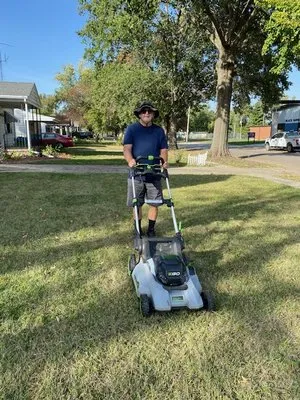
John's Lawn Service is your trusted local expert for a healthier, more resilient lawn in Springfield, IL. We understand the common challenges homeowners face, like poor lawn grading that leads to wate...
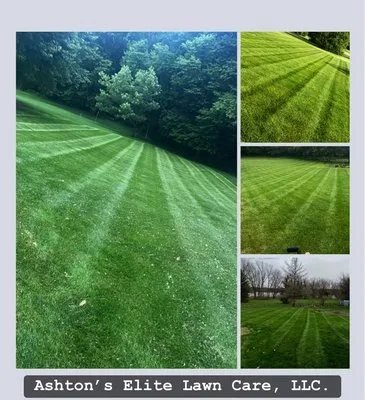
Ashton's Elite Lawn Care is a trusted Sherman, IL provider specializing in comprehensive lawn care and reliable snow removal services. We understand the common local landscaping challenges Sherman hom...
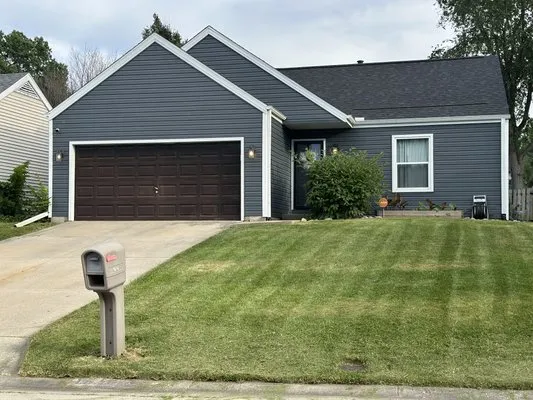
Zach's Lawn Care is a locally owned and operated lawn service dedicated to keeping Springfield, IL, properties looking their best. We understand the specific challenges homeowners face here, from the ...
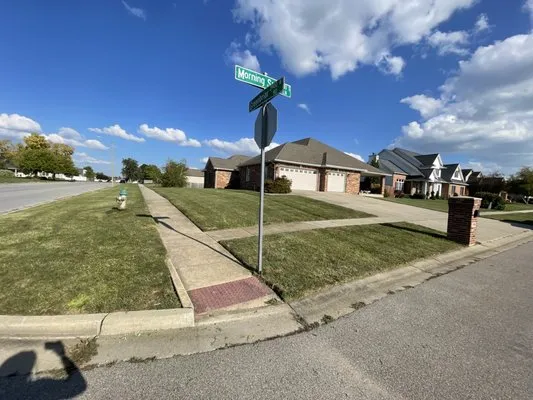
Top Cut Lawn Care has been serving Springfield homeowners for over three years, providing reliable and affordable lawn services. We specialize in comprehensive lawn care, including precise lawn trimmi...

Sunny Knoll Landscaping
Sunny Knoll Landscaping is your trusted local expert in Taylorville, IL, specializing in landscaping, patio coverings, decks, and railing. We understand that many Taylorville homes face common landsca...
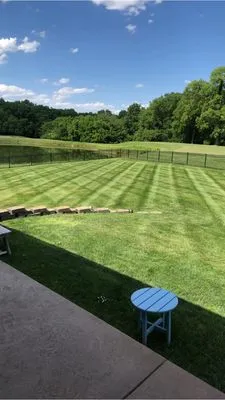
DD Landscaping is a trusted Springfield, IL business specializing in lawn care and pressure washing services. We understand the unique challenges homeowners in our area face, particularly with yard dr...
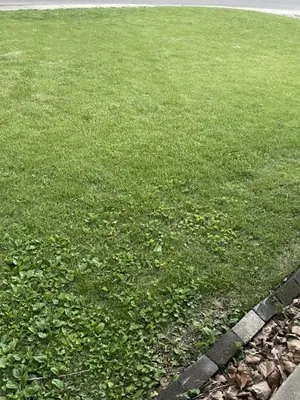
Millburg Lawn Service is a trusted local lawn care provider dedicated to keeping Springfield yards healthy and vibrant. We specialize in addressing common local landscaping challenges, including poor ...

Excellent Mowing is a Springfield-based lawn care company founded on a genuine passion for the work. As the sole owner-operator, I started this business because I truly enjoy being outdoors, tackling ...
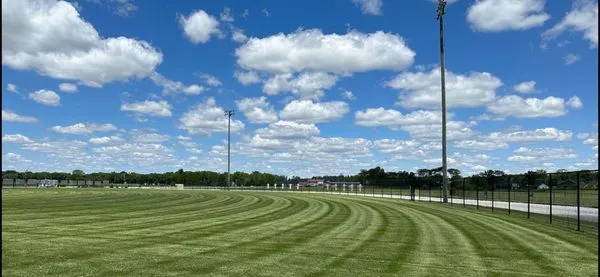
Squirrel's LawnCare LLC is a locally owned and operated lawn care service based in Springfield, IL, established in 2022. We specialize in comprehensive residential and commercial lawn maintenance, inc...
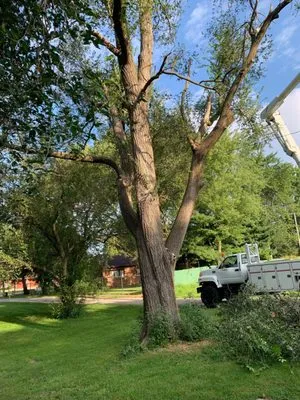
For over a decade, Mad About Trees has been the trusted name for tree health care in Lincoln, IL. We specialize in comprehensive tree care services, from professional removals and proper trimming to d...
Estimated Landscaping Service Costs in Locust, IL
Questions and Answers
How quickly can you respond to emergency storm damage for HOA compliance in Locust Meadows?
Emergency cleanup crews dispatch from Locust Veterans Memorial Park via IL-13, reaching Locust Meadows properties in 25-35 minutes during peak conditions. Our electric maintenance fleet operates within decibel limits, allowing immediate response without violating the 8:00 AM gas-blower restriction. This routing ensures rapid debris removal while maintaining neighborhood noise ordinance compliance throughout the process.
Are permeable pavers better than wood decking for my Locust property?
Permeable concrete pavers offer 30+ year durability versus wood's 10-15 year lifespan in Zone 5b freeze-thaw cycles. Their non-combustible nature supports Moderate Fire Wise Interface Zone compliance by creating defensible space around structures. Unlike wood that requires annual sealing, pavers maintain permeability without chemical treatments. The installation meets Locust's runoff management requirements while providing stable surfaces that resist heaving from seasonal water table fluctuations.
Why does my Locust Meadows lawn struggle with compaction and poor drainage despite regular care?
Locust Meadows properties built around 1969 have 57-year-old soil profiles. The silt loam topsoil (pH 6.8) common in this neighborhood has experienced decades of settling and organic matter depletion. This aging soil structure reduces permeability, creating the seasonal high water table issues observed in Locust. Core aeration with compost amendments rebuilds soil porosity and microbial activity, addressing the poor infiltration in underlying clay sub-strata.
What low-maintenance alternatives exist for high-water-use turf areas?
Transitioning to native plantings like Purple Coneflower, Little Bluestem, Butterfly Milkweed, and Wild Bergamot reduces water needs by 70-80% compared to Tall Fescue. These deep-rooted species improve soil structure naturally while providing year-round habitat value. The planting approach eliminates weekly mowing and minimizes leaf-blowing requirements, keeping you ahead of tightening noise ordinance enforcement. This creates resilient landscapes that thrive in Zone 5b conditions with minimal intervention.
What's the most effective solution for standing water in my Locust backyard?
Seasonal high water tables in Locust's silt loam soils require permeability-focused interventions. Permeable concrete pavers allow 80-90% of rainfall to infiltrate directly into the soil, meeting Locust Department of Planning & Building runoff standards. Combined with French drains directing water away from structures, this system addresses both surface pooling and subsurface clay layer restrictions. The approach transforms problem areas into functional spaces while preventing erosion during heavy rains.
How can I maintain Tall Fescue turf during Locust's Stage 1 water restrictions?
Wi-Fi ET-based weather sensing irrigation calculates actual evapotranspiration rates for your 0.35-acre property. This system applies water only when soil moisture drops below optimal levels for Tall Fescue, typically reducing usage 20-30% compared to timer-based systems. The technology automatically adjusts for rainfall and humidity, keeping your lawn healthy while staying within voluntary conservation guidelines. This precision prevents overwatering that exacerbates Locust's poor infiltration issues.
What permits and licensing are required for grading my 0.35-acre lot?
The Locust Department of Planning & Building requires grading permits for any significant earth movement on 0.35-acre properties. Contractors must hold Illinois Department of Financial and Professional Regulation landscaping licenses for work affecting drainage patterns or soil stability. This ensures proper engineering for Locust's high water table conditions. Unlicensed grading risks violating municipal runoff standards and creating downstream flooding issues for neighboring properties in Locust Meadows.
How should I handle invasive species without violating Locust's fertilizer regulations?
Identify common Illinois invaders like garlic mustard or Japanese knotweed before they establish in your silt loam soil. Manual removal during early growth stages prevents spread without chemical intervention. For persistent issues, targeted spot treatments using phosphorus-free herbicides avoid fertilizer ordinance violations. Time applications outside municipal blackout periods, focusing on fall when natives are dormant but invasives remain active. This integrated approach protects your landscape's ecological balance while maintaining regulatory compliance.
