Top Landscaping Services in Lockport, IL, 60439 | Compare & Call

Archer Pines Landscaping
Archer Pines Landscaping is a family-owned and operated business with deep roots in Lockport, IL, serving the community since 1994. Founded by Phil with a single lawn mower, the company has grown into...
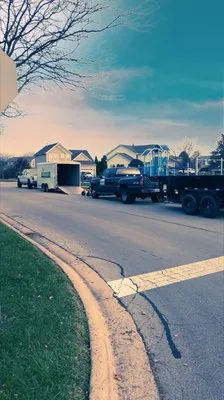
Wimmer Landscaping is a trusted, locally-owned landscaping service provider in Lockport, IL, specializing in comprehensive outdoor solutions for both residential and commercial clients. With a strong ...

Founded right here in Lockport, DuBois Landscaping began with a push mower and a commitment to serving neighbors. Today, we've grown into a trusted local resource, managing over 80 residential, commer...
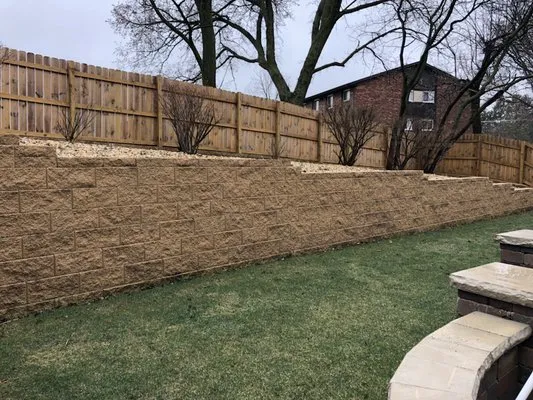
P Carino Landscaping has been a trusted family-owned business serving Lockport, IL, since 2005. Specializing in comprehensive solutions from brick paving and retaining walls to complete landscape desi...
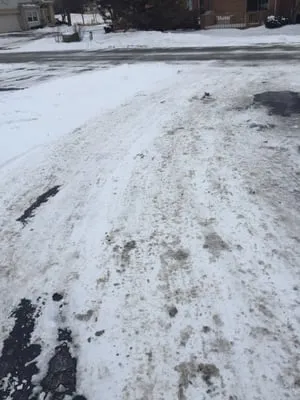
Drew's Lawn & Snow Service is a trusted, locally-owned business serving Lockport, IL, specializing in snow removal and landscaping. We understand the unique challenges Lockport homeowners face, includ...

Tim Potes Landscaping serves homeowners in Lockport, IL, by transforming challenging yards into beautiful, functional spaces. A common local issue in the area is dealing with standing water and patchy...
Lawns-N-Landscapes, Inc. is a family-owned and operated landscaping company proudly serving Lockport and the greater Chicagoland area since 1985. We specialize in a full range of landscape installatio...
Hoppy's Landscaping Inc. has been serving the Lockport, IL community and surrounding Southwest and Western Chicago suburbs for years, providing comprehensive landscape solutions. We specialize in comp...
Scott's Lawn Care is a trusted, established lawn care service in Lockport, IL, dedicated to enhancing the health and appearance of local landscapes. We specialize in comprehensive landscaping solution...
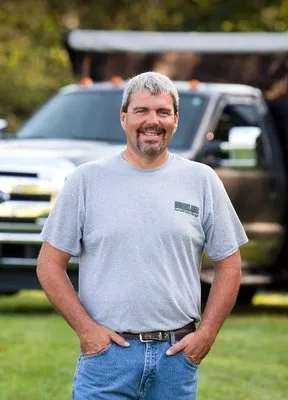
Dobbelare Distributing is a locally-owned and operated business serving Lockport and the greater Chicago area. Founded by Scott Dobbelare, who started delivering firewood and mulch with his dad while ...
Frequently Asked Questions
Is it possible to have a green lawn while following Lockport's voluntary water conservation rules?
Yes, maintaining a healthy Kentucky Bluegrass and Tall Fescue blend is compatible with Stage 1 voluntary conservation. The key is precision irrigation using Wi-Fi ET-based weather-sensing controllers. These systems automatically adjust watering schedules based on real-time evapotranspiration data, applying water only when the turfgrass actually needs it. This technology can reduce water use by 20-30% compared to traditional timer-based systems, preserving municipal resources while preventing drought stress.
How quickly can a crew respond for an emergency storm cleanup to meet an HOA deadline?
For urgent HOA compliance or storm-related work, a dispatched crew from a base near Dellwood Park can typically reach Heritage Falls via I-355 within the 20-30 minute window cited for peak storm response. This logistics model prioritizes critical-path tasks like clearing public right-of-ways and securing downed limbs. Mobilization hinges on real-time traffic monitoring and the deployment of electric-powered equipment, which complies with local noise ordinances for early morning starts if necessary.
I'm tired of weekly mowing and blowing. Are there lower-maintenance options?
Transitioning high-input turf areas to a native plant community is a strategic, forward-looking solution. Species like Purple Coneflower, Little Bluestem, and Prairie Dropseed are adapted to Zone 5b conditions, requiring no irrigation once established, minimal fertilization, and only an annual cut-back. This shift dramatically reduces fuel consumption and noise, aligning with evolving municipal ordinances that increasingly restrict gas-powered blowers and mowers. The resulting landscape supports local biodiversity and soil health.
My yard stays soggy for days after a rain. What's the best long-term fix?
Persistent saturation is a hallmark of Drummer Silty Clay Loam, where the clay subsoil has very poor infiltration. Long-term solutions move beyond surface grading to address subsurface flow. Installing a French drain system tied to a dry well or daylight outlet is often necessary. For new hardscapes, specifying permeable concrete pavers or open-graded crushed limestone bases can significantly improve on-site infiltration, helping projects meet the City of Lockport Planning & Building Department's stormwater runoff standards.
What invasive species should I be on the lookout for, and how do I handle them?
Common invasive threats in this area include garlic mustard, creeping Charlie, and bush honeysuckle. Effective management requires correct identification and timing; for instance, garlic mustard should be pulled before seed set in late spring. Treatment must comply with Lockport's phosphorus-free fertilizer ordinance, meaning many standard weed-and-feed products are prohibited. For persistent issues, targeted spot-treatment with an appropriate herbicide, applied by a licensed professional outside of any local blackout dates, is often the most effective and ecologically sound method.
Why does my soil seem so dense and compacted compared to older parts of town?
Homes in Heritage Falls, built around 1997, sit on less than 30 years of soil maturation. The underlying Drummer Silty Clay Loam was heavily compacted during construction, limiting root penetration and water infiltration. This young soil profile lacks the stable organic matter and structure found in established landscapes. Annual core aeration and the incorporation of composted organic matter are critical practices to rebuild soil biology and improve permeability for long-term plant health.
What permits and credentials should I verify before hiring someone for a major grading project?
Any significant grading or earth-moving on a 0.25-acre lot typically requires a permit from the City of Lockport Planning & Building Department to ensure compliance with drainage and erosion control ordinances. Crucially, the contractor must hold appropriate licensing through the Illinois Department of Financial and Professional Regulation, such as a Roofing and Outdoor Advertising Contractor license for certain scopes of work. This licensing validates insurance and bonding, protecting the homeowner from liability and substandard work that could cause downstream drainage issues or structural damage.
Are concrete pavers a better choice than wood for a new patio?
Concrete pavers offer superior longevity and lower lifecycle maintenance compared to wood, which requires regular sealing and is susceptible to rot. In Lockport's climate, pavers have excellent freeze-thaw durability. From a Firewise perspective, which is relevant even in this Low-rated urban interface, pavers and crushed limestone provide non-combustible, defensible space immediately adjacent to a structure. Their permeable installation options also address the core drainage challenges of the local clay soil, making them a multifunctional investment.
