Top Landscaping Services in Little Rock, IL, 60536 | Compare & Call
There are 197 landscaping companies server in Little Rock IL
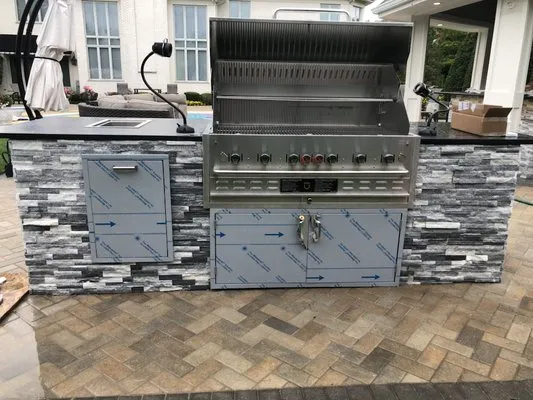
Castro Construction is a family-owned and operated Aurora, Illinois business, with roots in the trade dating back to the early 1990s and officially incorporated in 2000. For over two decades, our loca...
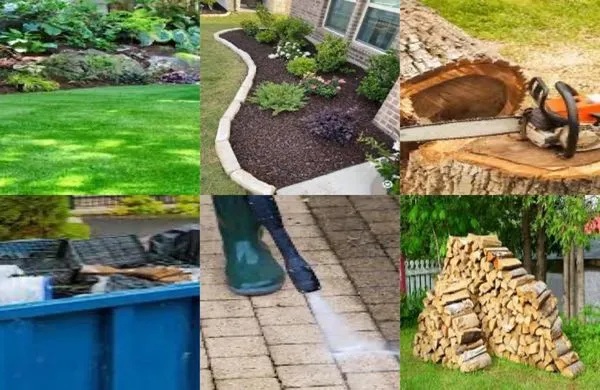
Bristol Complete Yard Care
Bristol Complete Yard Care is a locally owned and operated landscaping, tree service, and junk removal company serving all of Kendall County from its home base in Bristol, IL. Founded and run by a Bri...
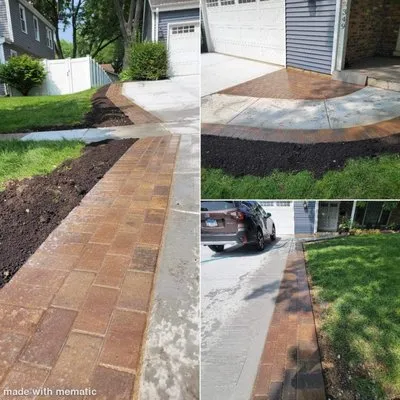
Moonrock Landscaping in Aurora, IL, is a full-service outdoor transformation company founded on a deep respect for the local environment. We specialize in creating functional and beautiful spaces, fro...
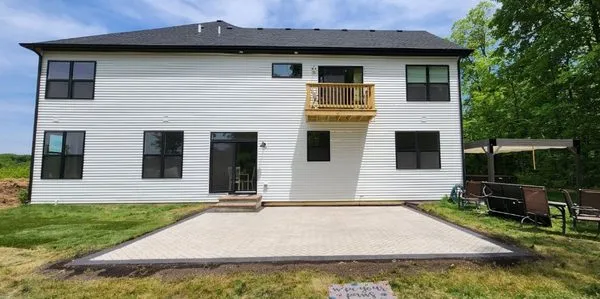
Hardscapes Innovation is your trusted, locally-owned landscaping and hardscaping partner in Aurora, IL. For over a decade, our registered and insured team has been helping homeowners transform their o...
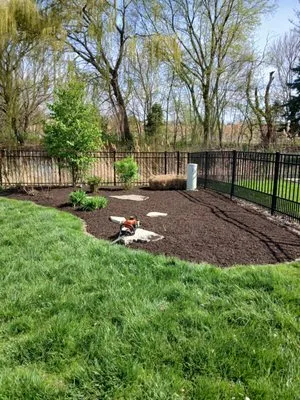
AJ Landscaping is a trusted Aurora, IL landscaping company specializing in comprehensive design and irrigation solutions for residential and commercial properties. We understand the common local chall...
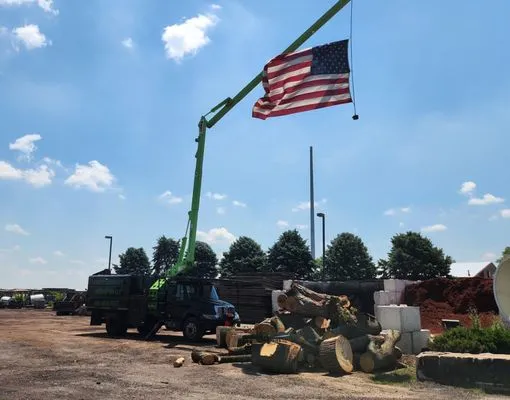
Founded in 2009, Busted Knuckles Landscaping LLC is a locally owned and operated company in Sandwich, IL, offering expert landscaping and tree services. Our team includes a certified arborist with qua...

4 Season Home Services
4 Season Home Services is a family-owned and operated business with over 15 years of experience serving the Oswego, IL community. We specialize in comprehensive home and property services, bringing de...
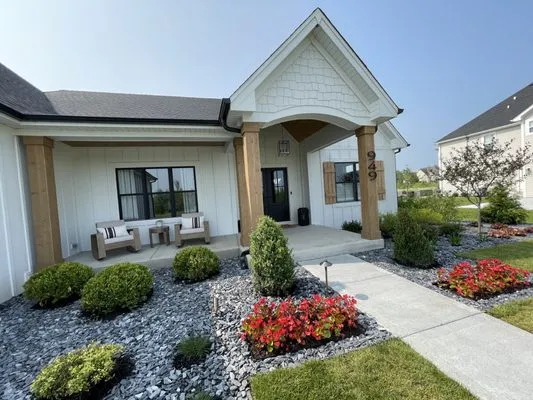
Burkhart Outdoors is a full-service design and build firm in Aurora, IL, established in 2018 and specializing in custom exterior living spaces and landscape design. Founded by Kyle Burkhart, an entrep...

Nelson Design Associates
Nelson Design Associates is a landscape architecture firm in Aurora, IL, led by Mr. Nelson, who brings over 13 years of experience in residential, commercial, and public sector projects. Known for a u...
Lawn Kings Landscaping is your trusted local lawn care expert serving Montgomery, IL, and the surrounding Fox Valley area. We understand the specific challenges homeowners in our community face, such ...
Estimated Landscaping Service Costs in Little Rock, IL
Frequently Asked Questions
What permits and licenses are needed for grading work on my quarter-acre Little Rock property?
Significant grading on a 0.25-acre lot requires permits from the Kendall County Planning, Building and Zoning Department to ensure proper drainage and erosion control. Contractors must hold appropriate licensing through the Illinois Department of Financial and Professional Regulation, as unlicensed earth moving can violate county ordinances and create liability issues. Professional oversight ensures compliance with local codes regarding soil disturbance and runoff management.
Why does my Little Rock yard have such dense, compacted soil that struggles to absorb water?
Properties in the Little Rock Residential Historic District built around 1992 have approximately 34 years of soil development on Drummer Silty Clay Loam. This soil type naturally compacts over time, especially under decades of conventional lawn maintenance. The pH of 6.8 is suitable for most plants, but poor permeability requires annual core aeration and organic amendments like compost to improve soil structure and water infiltration.
Are permeable concrete pavers better than wood decking for my Little Rock patio?
Permeable concrete pavers offer superior longevity with minimal maintenance compared to wood, which requires regular sealing and replacement. Their permeability addresses Little Rock's drainage challenges while meeting the Low Fire Wise Rating requirements for defensible space in urban/suburban areas. Unlike wood, concrete won't rot or attract pests, providing a durable surface that manages stormwater runoff effectively.
Should I consider replacing some lawn areas with native plants in Little Rock?
Transitioning high-maintenance turf to native species like Purple Coneflower, Little Bluestem, Butterfly Milkweed, and Wild Bergamot reduces mowing frequency and eliminates gas-powered equipment use. This aligns with evolving noise ordinances restricting gas blowers while creating habitat supporting 2026 biodiversity standards. Native plants establish deep root systems that improve soil structure and require minimal irrigation once established.
How quickly can you respond to an emergency tree cleanup after a storm in Little Rock?
Our electric maintenance fleet can dispatch from the Little Rock Town Square within 30 minutes during peak conditions. We route via US-34 to minimize travel time while complying with the local noise ordinance that prohibits gas-powered equipment before 7:00 AM. This allows for rapid HOA compliance and safe debris removal while maintaining neighborhood quiet hours.
What invasive species should I watch for in Little Rock, and how do I treat them safely?
Common invasive alerts include Japanese knotweed and garlic mustard, which threaten native plant communities. Treatment involves mechanical removal or targeted herbicide applications during specific growth stages. Always conduct a soil test first, as the local fertilizer ordinance prohibits phosphorus application on established lawns unless testing confirms deficiency. Proper timing avoids violating seasonal blackout dates while effectively managing invasives.
What's the best solution for poor drainage and high water table issues in my Little Rock yard?
Drummer Silty Clay Loam has naturally poor infiltration rates, creating standing water problems. Installing permeable concrete pavers allows stormwater to percolate through the surface rather than running off. This approach meets Kendall County Planning, Building and Zoning Department runoff standards while addressing the high water table through improved subsurface drainage pathways.
How can I maintain my Kentucky Bluegrass and Tall Fescue lawn during Little Rock's Stage 1 water restrictions?
Wi-Fi ET-based weather sensing irrigation systems calculate evapotranspiration rates to apply only the water your turfgrass blend actually needs. This technology reduces water usage by 20-30% compared to traditional timers while preserving lawn health. Programming deep, infrequent watering cycles during early morning hours maximizes absorption and minimizes evaporation within municipal conservation guidelines.
