Top Landscaping Services in Lincolnshire, IL, 60015 | Compare & Call


Rolling Hills Nursery
Rolling Hills Nursery is a family-owned garden center in Lincolnshire, IL, specializing in landscape design, irrigation services, and locally grown plants. With expertise in creating functional and be...

Mambos Landscaping is a dedicated, local service provider in Lincolnshire, IL, helping homeowners achieve healthy, vibrant outdoor spaces. We understand the common frustrations in our area, such as de...
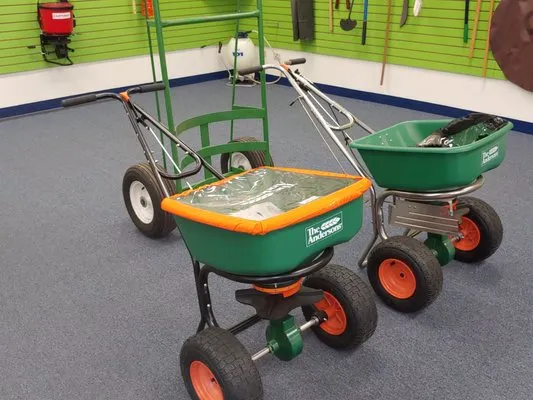
Arthur Clesen Inc. is a Lincolnshire-based landscaping and irrigation company with deep roots in the local community. Originally founded on a family farm in Wheeling, Illinois, the business has grown ...

Lawn Squad of Chicago's North Shore is a Lincolnshire-based lawn and tree service provider dedicated to helping local homeowners maintain healthy, beautiful outdoor spaces. We specialize in comprehens...
FAQs
How do I control invasive species without violating Lincolnshire's fertilizer regulations?
Targeted manual removal of invasive plants like garlic mustard or buckthorn avoids phosphorus fertilizer applications prohibited for established lawns. Spot-treatment with EPA-approved herbicides during dormant seasons prevents chemical runoff into watersheds. Implementing preventive measures such as dense native plantings creates competition that suppresses invasive establishment. This integrated approach maintains soil health while complying with local environmental protections.
Why does my Spring Lake yard have such compacted soil that needs annual aeration?
Lincolnshire's Spring Lake neighborhood was primarily developed around 1991, giving soils approximately 35 years to mature. Mollisols with silty clay loam composition naturally compact over decades, especially under routine mowing and foot traffic. This soil type has poor permeability, requiring core aeration every 1-2 years to improve oxygen exchange and water infiltration. Adding organic amendments like composted leaf mold can gradually rebuild soil structure without disrupting established turf.
What's the best solution for poor drainage in my clay-heavy Lincolnshire yard?
Silty clay loam soils in Lincolnshire have naturally slow infiltration rates, often causing surface pooling. Installing permeable concrete pavers creates 30-40% void space for water passage while meeting Community & Economic Development Department runoff standards. French drains with clean gravel layers can redirect subsurface water away from foundations. These systems work synergistically to manage the 0.45-acre lot's hydrological load during spring thaw periods.
How quickly can you respond to an emergency tree cleanup after a storm in Spring Lake?
Emergency storm response from Rivershire Park via I-94 typically requires 20-30 minutes during peak conditions. Our electric maintenance fleet operates within Lincolnshire's 7 AM to 7 PM weekday noise ordinance restrictions for immediate deployment. We prioritize routes avoiding I-94 congestion during severe weather events. This timing ensures HOA compliance for debris removal while maintaining neighborhood safety standards.
Should I replace some lawn with native plants to reduce maintenance needs?
Transitioning high-maintenance turf areas to Purple Coneflower, Wild Bergamot, and Little Bluestem reduces mowing frequency and aligns with 2026 biodiversity standards. Native plantings require minimal irrigation once established and support local pollinator populations. This approach decreases reliance on gas-powered equipment ahead of tightening noise ordinances. Swamp Milkweed in rain garden configurations further enhances stormwater management in clay soils.
How can I maintain my Kentucky Bluegrass lawn during Lincolnshire's Stage 1 water restrictions?
Wi-Fi ET-based weather sensing irrigation systems automatically adjust watering schedules using real-time evapotranspiration data. This technology reduces water use by 20-30% compared to traditional timers while preserving turf health. The system calculates precise moisture needs for your Tall Fescue blend based on temperature, humidity, and rainfall. This approach maintains municipal compliance while preventing drought stress in Lincolnshire's Zone 5b climate.
Are permeable pavers better than wood decking for my Lincolnshire patio?
Permeable concrete pavers offer superior longevity with 25+ year lifespans versus wood's 10-15 years in Zone 5b freeze-thaw cycles. Their non-combustible nature supports Lincolnshire's low Fire Wise rating requirements for defensible space. Pavers maintain structural integrity despite clay soil expansion, unlike wood's susceptibility to rot. The modular design allows for future reconfiguration as landscape needs evolve on your 0.45-acre property.
What permits and licenses are needed for regrading my Spring Lake property?
Grading work on 0.45-acre lots requires Lincolnshire Community & Economic Development Department permits for erosion control and drainage alterations. Contractors must hold Illinois Department of Financial and Professional Regulation licensing for earth moving operations exceeding certain volumes. Professional landscape architects should design significant grade changes to prevent downstream flooding issues. These regulations ensure proper water management in neighborhoods with clay-based soil limitations.
