Top Landscaping Services in Lincoln, IL, 62656 | Compare & Call

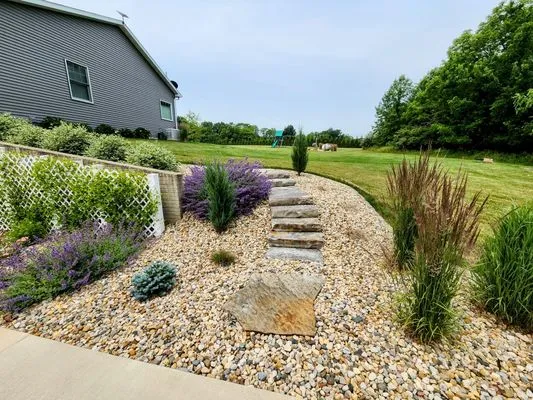
Steffens Landscaping & Lawncare is your Lincoln, IL neighbor for comprehensive outdoor care. We specialize in transforming and maintaining residential and commercial landscapes to enhance curb appeal ...

Becker's Lawn Care And Landscaping is your trusted local lawn care, snow removal, and gutter service provider in Lincoln, IL. We help homeowners achieve and maintain a healthy, green lawn by directly ...
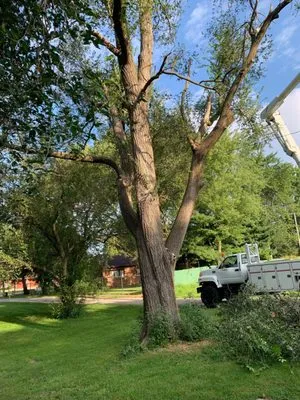
For over a decade, Mad About Trees has been the trusted name for tree health care in Lincoln, IL. We specialize in comprehensive tree care services, from professional removals and proper trimming to d...
C&G Services is a trusted, locally-owned landscaping and property maintenance company serving Lincoln, IL, and the surrounding areas. We specialize in comprehensive solutions for residential and comme...

Luxurious Lawn Care is your trusted, year-round outdoor service provider in Lincoln, IL. We understand that local homeowners often face challenges like overgrown shrubs and insect-damaged lawns, which...
Midwest Property Tree's & More is a Lincoln-based company specializing in comprehensive tree care and property maintenance services for residential and commercial clients throughout the Midwest. Our t...
Cheatham lawn care
Cheatham Lawn Care is a trusted local provider in Lincoln, IL, specializing in comprehensive lawn, gutter, and pressure washing services. Many Lincoln homes face common landscaping challenges like dea...
The Yard Guys Services is your trusted, full-service landscaping partner in Lincoln, IL. As a local business specializing in masonry, concrete, landscaping, and tree care, we provide comprehensive sol...
Merlin's Landscaping is Lincoln, Illinois's trusted partner for creating and maintaining beautiful, healthy outdoor spaces. We understand the common challenges local homeowners face, like overgrown sh...
Complete Lawn Care is your trusted local partner for a healthier, more resilient lawn in Lincoln, IL. We understand the unique challenges homeowners face in our area, particularly with standing water ...
Question Answers
My yard has seasonal ponding. What's a permanent fix that also looks good?
Seasonal ponding is common in low-lying areas with Drummer Silty Clay Loam due to its slow permeability. A functional solution replaces problem turf with a dry creek bed or swale built with permeable materials like crushed limestone. For patios, using concrete pavers with open-gravel joints increases surface infiltration. These designs manage runoff effectively and typically meet the Lincoln Building and Zoning Department's standards for stormwater management.
Is there a lower-maintenance, eco-friendly alternative to my traditional lawn?
Yes, a native plant community is a superior alternative. Species like Purple Coneflower, Little Bluestem, and Butterfly Milkweed are adapted to Zone 6a and require no fertilization, minimal watering, and only annual cutting. This transition reduces reliance on gas-powered blowers and mowers, aligning with evolving noise ordinances. It also provides critical habitat, supporting local biodiversity far beyond a monoculture turf.
How can I keep my Kentucky Bluegrass lawn green without wasting water?
Smart Wi-Fi ET-based irrigation systems are the solution. They use local weather data to apply water only when evapotranspiration rates indicate a need, preventing overwatering. For Lincoln's Drummer soil, this technology allows for deep, infrequent watering cycles that encourage deeper roots. This method maintains turf health while adhering to standard conservation guidelines and optimizing municipal water use.
What should I do if I find invasive weeds, and are there restrictions on treatment?
For common invasives like creeping Charlie or Canada thistle, manual removal is the first step. If chemical control is necessary, select products that are phosphorus-free to comply with the Illinois Lawn Care Products Application and Notice Act, especially near drainage ways. Always apply according to the label and be mindful of any local blackout dates to protect pollinators and water quality. Correct identification is key to effective treatment.
What permits and credentials are needed for regrading my backyard?
Regrading a 0.22-acre lot that alters water flow requires a permit from the Lincoln Building and Zoning Department. The contractor must hold an appropriate license through the Illinois Department of Financial and Professional Regulation, as this work impacts structural drainage and adjoining properties. Hiring a licensed professional ensures the work meets code, manages the high water table correctly, and provides you with legal and financial recourse.
Are concrete pavers a better long-term choice than wood for a new patio?
In Lincoln's climate, concrete pavers significantly outperform wood for longevity. They are impervious to rot, insect damage, and the freeze-thaw cycles of Zone 6a. While wood requires regular sealing and replacement, pavers maintain stability with minimal upkeep. In a low Fire Wise urban setting, their non-combustible nature also contributes to defensible space, though that is a secondary benefit here compared to their durability.
How quickly can you respond to an emergency storm cleanup to avoid HOA fines?
For an emergency cleanup in Downtown Lincoln, our standard dispatch from the Postville Courthouse area via I-55 allows for a 15-20 minute arrival during peak hours. We coordinate directly with property managers to document the site for compliance. Our electric equipment fleet operates within municipal quiet hours, enabling immediate work to remove debris and mitigate hazards without noise violations.
Why does my lawn in Downtown Lincoln feel so compacted and struggle to drain?
Properties in this area, built around 1966, have 60-year-old soil profiles. The native Drummer Silty Clay Loam has a high clay content that compacts under decades of foot traffic and maintenance equipment, reducing permeability. This creates a dense layer that restricts root growth and water movement. Core aeration and the addition of organic compost are essential to rebuild soil structure and improve percolation for healthier turf.
