Top Landscaping Services in Libertyville, IL, 60030 | Compare & Call

Elan Landscape Development Inc is a professional landscaping company based in Libertyville, IL, dedicated to creating tailored outdoor living spaces that enhance both beauty and functionality. We spec...

Thames Landscape and Design is a dedicated Libertyville landscaping and tree service company serving the North Shore. We understand the common local challenges homeowners face, like overgrown shrubs t...

Since 1990, TGF Enterprises has been a cornerstone of the Libertyville community, providing reliable and professional landscaping, irrigation, and snow removal services. As a licensed and fully insure...
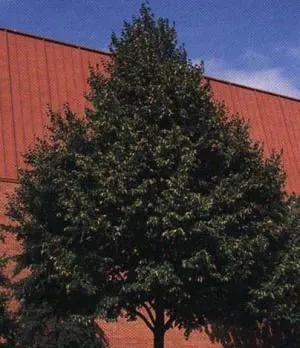
J & E Nursery has been Libertyville's trusted gardening center and landscape design company since 2006. For over 17 years, we've helped local gardeners create beautiful outdoor spaces with our compreh...
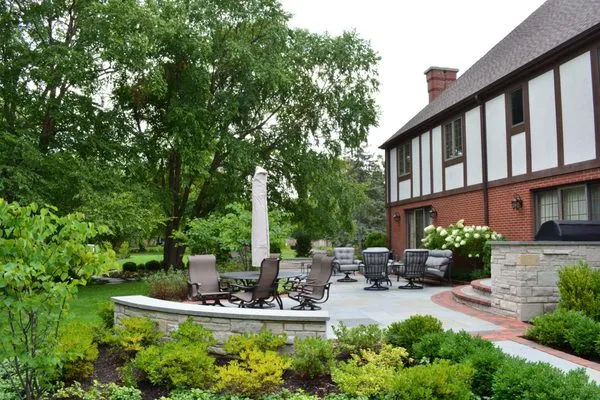
Martin John
Martin John is a Libertyville-based landscaping company founded in 2001 by Martin, a Purdue University graduate with a Bachelor's in Landscape Design and Horticulture. What began as a small two-person...
Manfredini Landscape & Design is a third-generation, family-owned landscaping company that has been serving Libertyville and the surrounding area since 1967. With over five decades of dedicated experi...
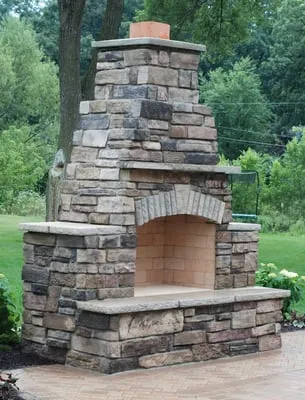
Sloan's Brick Paving is a Libertyville-based landscaping and masonry company with deep roots in the community since 1977. As a locally owned business, we specialize in transforming outdoor spaces thro...
Rosborough Partners is a trusted landscaping company serving Libertyville, IL, and the surrounding communities. We specialize in addressing common local yard challenges, particularly drainage problems...
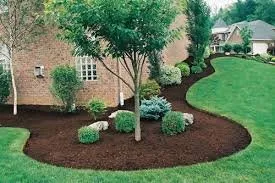
Diverse Services
Best Landscaping Company in Lake County is a family-owned, licensed landscaping service based in Libertyville, IL, with over 30 years of experience serving Lake County and Southern Wisconsin. Founded ...
Grillo's in Libertyville, IL is a family-owned lawn and tree service business that combines expert plant knowledge with reliable, full-service care. We specialize in creating and maintaining beautiful...
Common Questions
Are concrete pavers a better long-term choice than wood for a new patio?
For longevity and minimal maintenance in our climate, concrete pavers outperform wood. They resist frost heave, do not rot, and have a lifespan measured in decades. Their modular nature also allows for easy repair. From a Firewise perspective, their non-combustible nature contributes to defensible space, though Libertyville's low urban rating makes this a secondary benefit compared to durability and permeability advantages.
Is it possible to have a healthy lawn while following the village's voluntary water conservation guidelines?
Yes, using smart Wi-Fi ET-based irrigation technology is the standard practice. These systems adjust watering schedules in real-time using local evapotranspiration data, applying water only when needed. For Kentucky Bluegrass and Tall Fescue blends, this often means deeper, less frequent cycles that encourage drought-tolerant root growth. This method maintains turf health while reducing consumption, aligning perfectly with Stage 1 voluntary conservation goals.
What's the best solution for seasonal ponding in my yard?
Seasonal ponding is a direct result of the high clay content in Drummer soil, which has very slow percolation. The primary solution is installing subsurface drainage, such as French drains, to intercept water. For new hardscapes, specify permeable concrete pavers or an open-graded crushed limestone base to increase surface infiltration and reduce runoff, which helps projects meet Libertyville Community Development Department stormwater management standards.
What permits and contractor qualifications are needed for regrading my yard?
Regrading that alters stormwater flow patterns on a 0.25-acre lot typically requires a permit from the Libertyville Community Development Department. The contractor must hold appropriate licensing through the Illinois Department of Financial and Professional Regulation, as earthmoving and drainage work falls under professional engineering or specialized landscaping licensure to ensure it complies with environmental and building codes.
How should I handle invasive weeds like creeping Charlie without harming my lawn?
Targeted post-emergent herbicide applications in fall are most effective for perennial invasives like creeping Charlie. Always conduct a soil test first to ensure compliance with the Illinois Phosphorus Application Act, which prohibits phosphorus fertilizer unless a deficiency is confirmed. For organic management, consistent manual removal and maintaining dense, healthy turf through proper fertilization based on soil test results are the best cultural controls.
Why does my lawn seem compacted and thin, especially compared to newer subdivisions?
Libertyville Downtown lots from the 1970s average 50 years of soil maturation. The native Drummer Silty Clay Loam is a dense Mollisol prone to compaction under foot traffic and standard maintenance. This reduces permeability and oxygen for grass roots. Annual core aeration in early fall is essential to fracture the clay pan, followed by top-dressing with compost to build organic matter and improve soil structure long-term.
What are lower-maintenance alternatives to my traditional turf grass?
Transitioning to a climate-adaptive landscape with native plants like Purple Coneflower, Little Bluestem, Butterfly Milkweed, and Wild Bergamot significantly reduces water, mowing, and chemical inputs. These deep-rooted perennials are adapted to Zone 5b and our soil pH, building soil health and supporting pollinators. This shift also future-proofs your property against increasing noise and emissions ordinances targeting gas-powered maintenance equipment.
How quickly can a crew respond for an emergency storm cleanup to meet HOA compliance deadlines?
An emergency dispatch for storm debris follows a defined logistics protocol. A crew mobilizing from the Cook Park maintenance yard can access the I-94 corridor, reaching most Libertyville Downtown properties within the 20-30 minute peak response window. Coordination focuses on clearing public right-of-way hazards first, then addressing private lot safety and compliance issues, with all work scheduled within local noise ordinance hours.
