Top Landscaping Services in Lansing, IL, 60411 | Compare & Call
There are 106 landscaping companies server in Lansing IL
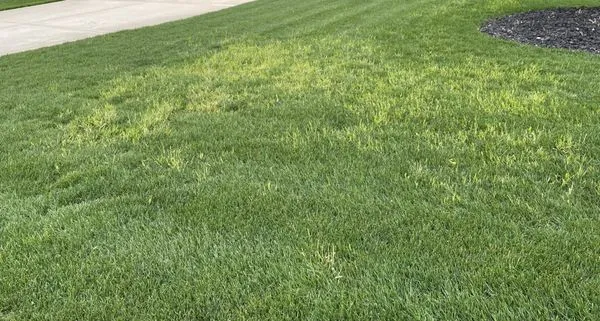
Lawn-Tech is a family-owned lawn and tree care company that has been serving Tinley Park and the Southwest Chicago suburbs since 1984. With over 29 years of local experience and more than 11,000 custo...
Suburban Landscaping
Suburban Landscaping has been a trusted name in Chicago Heights, IL, since 1984, building a reputation on reliable, full-service landscaping. Our team, led by Business Department Manager Deena, who ha...
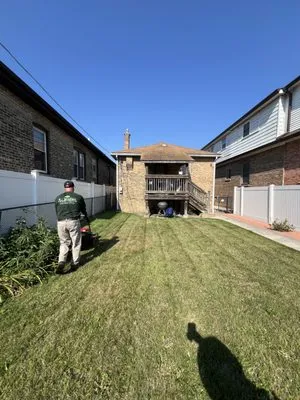
L Rojas Landscaping is a family-owned and fully insured landscaping business dedicated to making properties in Riverdale, IL, and the greater Chicagoland area look their best. We stand firmly behind o...
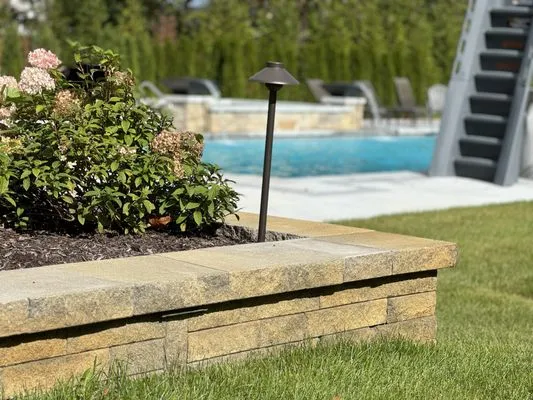
Beverly Companies has been enhancing outdoor properties throughout the Chicagoland area since 1999, bringing over 26 years of dedicated service to Markham and surrounding communities. As a full-servic...
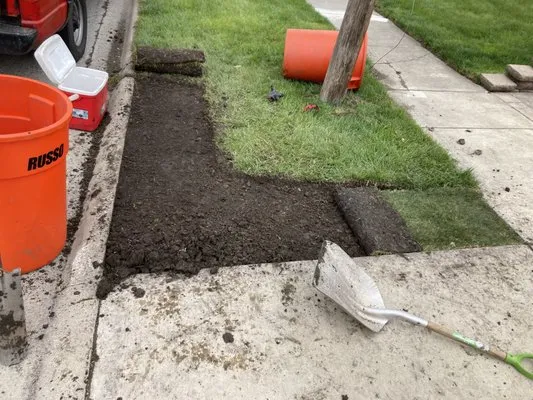
F L V Quality Landscaping has been serving the Hickory Hills community for over 15 years, providing reliable and professional landscaping services. As a local, family-owned business, we understand the...
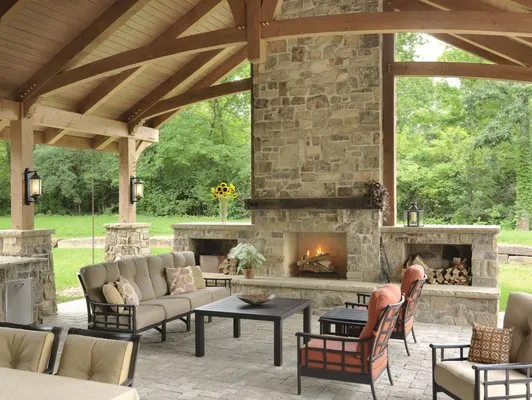
J Gould Landscape Consulting Design & Installation
J Gould Landscape Consulting Design & Installation has been transforming outdoor spaces in Lemont and the surrounding suburbs since 1988. With deep roots in residential landscaping, we specialize in b...
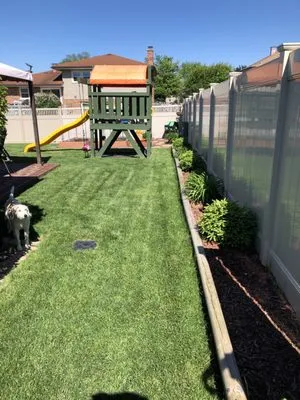
Infinity Lawn & Landscaping
Infinity Lawn & Landscaping is a trusted, owner-operated landscaping company serving Frankfort, IL, and the surrounding communities. We provide comprehensive residential and commercial services, guidi...
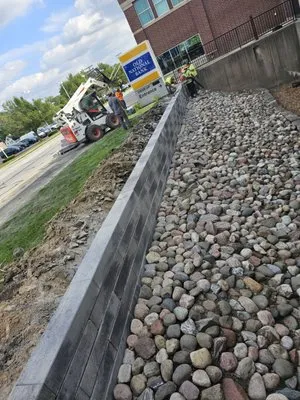
Roy Erikson has been a trusted lawn services provider in Crestwood, IL, for over 45 years, offering comprehensive solutions for residential and commercial properties. Specializing in lawn care, the co...
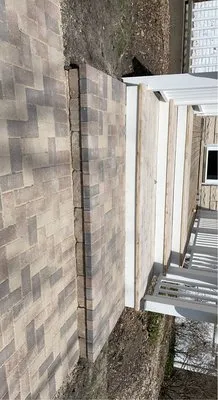
GRF Landscaping is your trusted, full-service landscaping partner serving Mundelein, IL, and the surrounding area. We specialize in resolving common local yard issues like standing water and moss grow...

Ridge Landscape Services
Ridge Landscape Services is a Frankfort, IL-based company specializing in comprehensive tree services, landscaping, and snow removal for local homeowners. We address common local issues like irrigatio...
Estimated Landscaping Service Costs in Lansing, IL
Frequently Asked Questions
Should I replace high-maintenance turf with native plants?
Transitioning Kentucky Bluegrass to Purple Coneflower, Little Bluestem, and Wild Bergamot reduces mowing frequency from weekly to seasonal maintenance. This xeriscaping approach conserves 70% of irrigation water while providing habitat for 2026 biodiversity standards. Electric maintenance fleets operate quietly within noise ordinance hours, eliminating gas-blower restrictions. Native plant communities develop self-sustaining ecosystems requiring minimal intervention after establishment.
What permits and licenses are needed for landscape grading?
Grading on 0.22-acre lots requires Lansing Building Department permits for earth moving exceeding 50 cubic yards. Illinois Department of Financial and Professional Regulation licensing ensures contractors understand soil stability calculations and erosion control measures. Professional certification demonstrates competency in managing high clay content soils that shift during saturation periods. Unlicensed grading risks structural damage to 1966-era foundations and municipal code violations.
How quickly can you respond to storm damage for HOA compliance?
Emergency cleanup crews dispatch from Lan-Oak Park via I-80/I-94 with 20-30 minute peak response times. We prioritize safety assessments before debris removal, coordinating with Lansing Building Department for permit exceptions during declared emergencies. Electric maintenance equipment operates within 7:00 AM to 9:00 PM noise ordinance restrictions while addressing immediate hazards like fallen limbs or drainage blockages.
Why does my lawn have drainage issues and compacted soil?
Lansing Central neighborhood properties average 60 years of development, with soil maturity calculated from 1966 construction. Mollisols/silty loam soils in this area naturally develop high clay content over decades, reducing permeability. Core aeration with organic amendments like composted leaf mulch addresses compaction by improving soil structure and water infiltration. This treatment mimics natural prairie processes that maintain pH 6.8-7.2 stability.
Are concrete pavers better than wood for patio longevity?
Concrete pavers and clay brick offer 50-year lifespans versus wood's 15-year average with proper installation. These materials maintain structural integrity through freeze-thaw cycles common in Zone 5b, requiring only joint sand replenishment. For Low Urban Interface fire-wise ratings, non-combustible hardscapes create defensible space without vegetation management concerns. Permeable paver systems additionally address drainage requirements while reducing heat island effects.
What solutions prevent seasonal ponding in clay-heavy soil?
Moderate seasonal ponding results from high clay content reducing soil percolation rates below 0.5 inches per hour. Installing French drains with gravel beds and replacing solid surfaces with permeable concrete pavers increases infiltration. These modifications meet Lansing Building Department runoff standards while preventing root zone saturation. Grading adjustments directing water toward rain gardens with Swamp Milkweed provide biological drainage enhancement.
Can I maintain Kentucky Bluegrass during water restrictions?
Smart Wi-Fi ET-based weather sensing irrigation adjusts watering schedules using real-time evapotranspiration data. This technology reduces water use 30-50% while preserving turf health during Stage 1 voluntary conservation periods. Programming separate zones for Tall Fescue drought-tolerant areas further optimizes resource allocation. Systems automatically bypass precipitation events and comply with municipal water limits through soil moisture monitoring.
How do I control invasive species without chemical runoff?
Japanese knotweed and garlic mustard present the highest invasive risks in USDA Zone 5b, spreading through root fragments and seed dispersal. Manual removal during dry periods prevents soil disturbance that triggers germination. Spot treatments using Illinois Nutrient Management Plan-approved herbicides avoid phosphorus application on established turf. Timing interventions before April-May mulching peak disrupts reproductive cycles while protecting groundwater quality.
