Top Landscaping Services in Lakemoor, IL, 60041 | Compare & Call


Pelavacas Landscaping is a trusted, locally-owned landscaping company serving homeowners in Lakemoor, IL, and the surrounding McHenry County area. We specialize in diagnosing and solving common local ...

Founded in 1997 and now under new management, Allscape Services has grown from a single-service provider into a premier landscape company serving Northern Illinois and Southeastern Wisconsin. With ove...
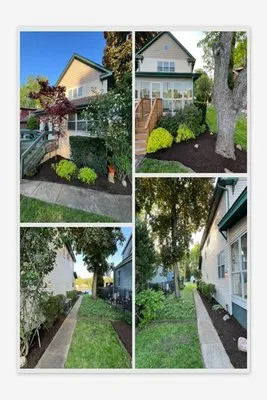
E & D Landscaping is your local partner for creating and maintaining a healthy, beautiful yard in Lakemoor, IL. We understand the specific challenges of our local climate and soil, offering straightfo...

TTC Landscaping has been a trusted partner for homeowners in Lakemoor, Island Lake, and surrounding McHenry County communities since 1991. With over 25 years of dedicated local service, we specialize ...
Valley Landscape Contractors is a Lakemoor-based landscaping company dedicated to solving common local yard challenges. Many homes in our area face issues like poor drainage and dead lawn patches, whi...
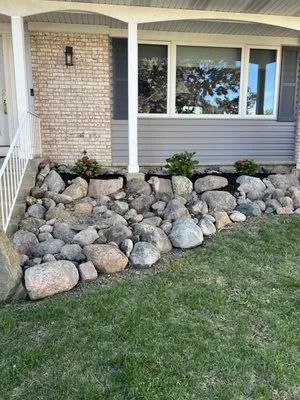
JT Cachorros Landscaping Plus
JT Cachorros Landscaping Plus is a trusted, year-round outdoor service provider serving Lakemoor, IL, and the surrounding areas. We specialize in snow removal, comprehensive lawn care, and custom pati...

A&J Lendechy Lawn Care is a local, family-operated lawn service business serving Lakemoor, IL, and surrounding communities including Volo, Round Lake, Wauconda, Fox Lake, and Antioch. We specialize in...
Landco Lawn Care is your local, full-service partner for maintaining a healthy and beautiful property in Lakemoor, IL. We understand the common frustrations of patchy grass and persistent weed infesta...
Q&A
Should I replace parts of my lawn with native plants to reduce maintenance needs?
Transitioning high-maintenance turf areas to native plantings like Purple Coneflower, Little Bluestem, Swamp Milkweed, and Wild Bergamot offers multiple advantages. These species require minimal watering once established and eliminate weekly mowing during May-September. Native plantings also support local pollinators while creating habitat corridors toward Sullivan Lake Park. This approach future-proofs landscapes against potential gas-blower restrictions under noise ordinances by reducing leaf litter management needs.
How do I control invasive species without violating Lakemoor's fertilizer regulations?
Common invasive alerts in Zone 5b include garlic mustard and buckthorn, which require targeted treatment strategies. Mechanical removal before seed set combined with spot-applied glyphosate in fall minimizes chemical use. Illinois Nutrient Management Law mandates phosphorus-free fertilizers, but this doesn't restrict herbicide applications for invasive control. Always check seasonal blackout dates for any soil amendments, and consider soil testing every 2-3 years to guide appropriate nutrient management without regulatory conflicts.
Are permeable concrete pavers better than wood decking for Lakemoor's climate?
Permeable concrete pavers typically last 25+ years with minimal maintenance, outperforming wood's 10-15 year lifespan in Zone 5b freeze-thaw cycles. Their permeability reduces stormwater runoff by 30-50% compared to traditional surfaces, addressing Lakemoor's drainage concerns. While Lakemoor has a Low Fire Wise Rating in urban/suburban zones, pavers provide non-combustible defensible space that could benefit properties near wildland interfaces. The initial cost premium offsets long-term replacement expenses associated with wood deterioration.
What permits and licenses are needed for regrading my 0.25-acre Lakemoor property?
Grading work exceeding 50 cubic yards typically requires a permit from the Village of Lakemoor Building & Zoning Department, with specific erosion control plans. Contractors must hold appropriate licensing through the Illinois Department of Financial and Professional Regulation, particularly for excavation affecting drainage patterns or utility lines. On 0.25-acre lots, even modest regrading can impact neighboring properties' water flow, necessitating professional surveying. Unlicensed grading risks fines and may void property insurance coverage for subsequent drainage issues.
Can I maintain Kentucky Bluegrass and Tall Fescue turf under Lakemoor's water conservation rules?
Yes, smart Wi-Fi ET-based irrigation controllers optimize watering by using real-time evapotranspiration data and weather forecasts. These systems automatically adjust schedules during Level 1 voluntary conservation periods, applying water only when soil moisture deficits occur. Properly calibrated controllers can reduce water use 20-30% while preserving turf health through deeper, less frequent watering cycles. This approach meets municipal water limits while preventing drought stress in cool-season grasses.
How quickly can you respond to an emergency tree cleanup after a storm in Lakemoor?
Emergency storm response typically requires 20-30 minutes during peak conditions from our dispatch near Sullivan Lake Park. Crews travel via US-12 to reach Lakemoor Farms properties efficiently while adhering to the 7am-9pm noise ordinance window. This routing minimizes delays from suburban traffic patterns common in the area. HOA compliance issues receive similar priority scheduling to address safety hazards or violation notices promptly.
Why does my Lakemoor Farms lawn have drainage issues despite regular watering?
Lakemoor's Mollisols/silt loam soil (pH 6.8-7.2) in neighborhoods like Lakemoor Farms has developed over 29 years since typical 1997 construction. This aging soil profile often experiences compaction from decades of foot traffic and equipment use, reducing pore space for water movement. The clay subsoil beneath exacerbates poor infiltration, creating surface runoff during heavy rains. Core aeration with organic amendments like compost can restore soil structure by increasing permeability and microbial activity.
What solutions work for chronic yard flooding in Lakemoor's clay-heavy soil?
Poor infiltration in Lakemoor's silt loam with clay subsoil requires integrated drainage strategies. Installing French drains or dry wells intercepts subsurface water before it saturates the clay layer. Permeable concrete pavers for patios or walkways allow 80-90% of rainfall to infiltrate directly, reducing runoff volumes that overwhelm traditional systems. These approaches often meet Village of Lakemoor Building & Zoning Department standards for stormwater management while addressing the root cause of standing water issues.
