Top Landscaping Services in Lake Zurich, IL, 60010 | Compare & Call
There are 189 landscaping companies server in Lake Zurich IL
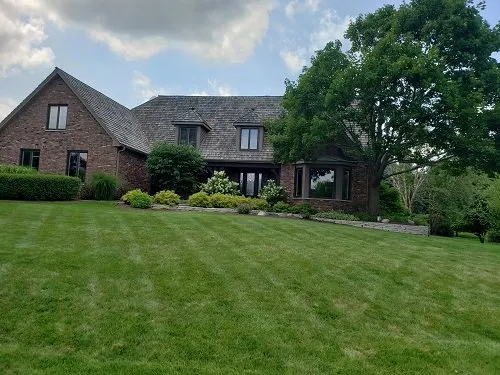
WLM Landscaping is a trusted, full-service contractor serving Lake Zurich, IL, and the surrounding area. We specialize in comprehensive landscaping, hardscaping, excavation, and snow removal, offering...
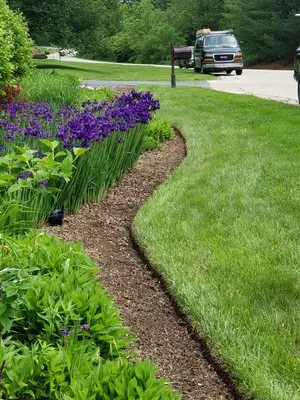
JPH Landscaping is a trusted local landscaping company serving Lake Zurich, IL, and surrounding areas. We specialize in comprehensive landscaping solutions, including landscape design, construction, m...
Klaus Schmechtig Landscapes is a trusted, family-owned landscaping company serving Mundelein and the surrounding Lake County area. Local homeowners often face frustrating issues like sprinkler system ...

Lawn Doctor in Lake Zurich, IL is a trusted local provider specializing in pest control, tree services, and comprehensive lawn care. Serving the Lake Zurich community, they address common landscaping ...
landscapingbros is a McCullom Lake-based landscaping company specializing in professional landscape construction, installation, and greenscape creation. We understand the unique challenges of our loca...
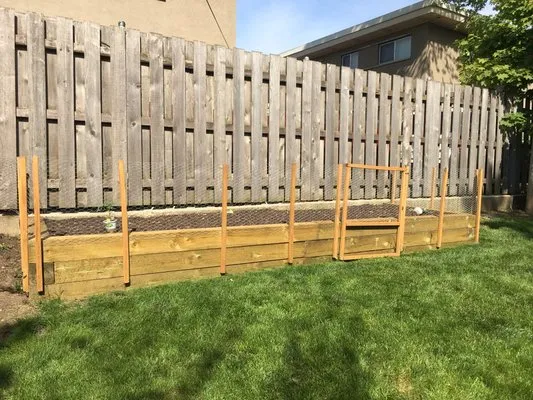
Angeles Landscaping is your trusted, full-service partner for transforming outdoor spaces in Mundelein and the surrounding Lake County area. We specialize in comprehensive landscaping, expert tree car...
Advanced Landscaping is a full-service landscaping contractor serving Round Lake, IL, and the surrounding communities. We specialize in transforming outdoor spaces through comprehensive design, constr...
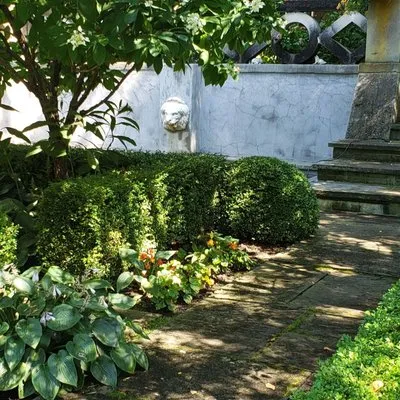
Since 1999, Midwest Pond Design has been the trusted name for outdoor transformations in Mundelein and the surrounding 10-mile area. Our expertise extends beyond our namesake to create complete, endur...
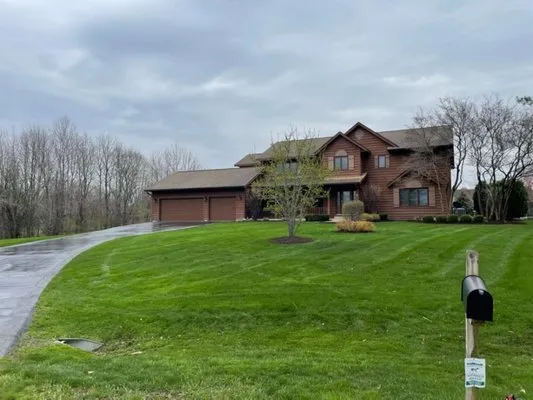
Roman Landscaping & Snowplow is a trusted local provider in Mundelein, IL, specializing in both landscaping and snow removal services. Many Mundelein homes face common landscaping challenges like pers...
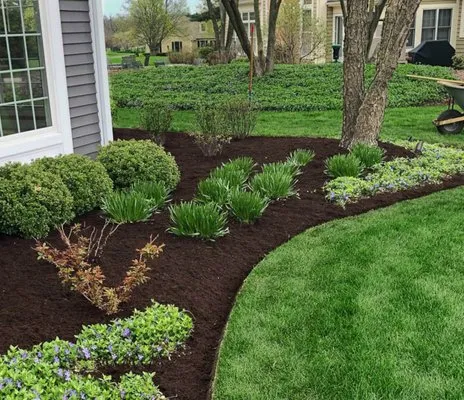
Escobar Landscaping is a trusted local landscaping company serving Mundelein and Lake County, Illinois, with over nine years of experience. We specialize in comprehensive landscape design, constructio...
Estimated Landscaping Service Costs in Lake Zurich, IL
FAQs
We get seasonal ponding in our yard. What's a permanent solution that works with our clay soil?
Seasonal ponding is a direct result of the low permeability in Drummer Silty Clay Loam. Effective solutions combine subsurface and surface strategies. Installing a French drain system tied to a dry well captures and redirects water, while regrading to create positive slope is critical. For hardscapes, specifying permeable concrete pavers or an open-graded crushed limestone base increases infiltration, often required by the Lake Zurich Planning & Zoning Division to manage stormwater runoff.
We have urgent HOA compliance needs or storm damage. What's the fastest reliable service response time in Lake Zurich?
For emergency cleanup or HOA compliance, our standard peak response is 20-30 minutes. We dispatch from our central staging area near Paulus Park, utilizing US Route 12 for efficient access to Old Mill Grove and surrounding neighborhoods. This routing avoids local congestion, ensuring crews arrive within the critical window to secure the property and begin debris management, all while adhering to local noise ordinance operating hours.
What permits and credentials are required for significant grading or landscape construction on a typical quarter-acre lot?
Any grading that alters water flow or involves retaining walls over 4 feet typically requires a permit from the Lake Zurich Planning & Zoning Division. For the work itself, ensure your contractor holds an active license from the Illinois Department of Financial and Professional Regulation. On a 0.25-acre lot, improper grading can significantly impact neighboring properties and municipal drainage systems, making licensed, insured professionals a legal and practical necessity.
We're adding a patio. Are concrete pavers or wood a better long-term choice for our climate?
Concrete pavers significantly outperform wood in longevity and maintenance for Zone 5b. They resist freeze-thaw cycles, do not rot or warp, and have a 30+ year lifespan. For fire-wise considerations, even in Lake Zurich's low-risk rating, pavers and crushed limestone create a non-combustible defensible space. Their permeability, when installed correctly, also manages water runoff more effectively than solid surfaces, aligning with modern stormwater management standards.
How can we maintain a healthy lawn during Lake Zurich's Stage 1 water conservation without wasting water?
Wi-Fi ET-based weather-sensing irrigation is the precise solution for voluntary conservation. This technology automatically adjusts watering schedules based on real-time evapotranspiration data, rainfall, and soil moisture. It applies water only when and where your Kentucky Bluegrass and Fine Fescue blend needs it, preventing overwatering that exacerbates clay soil ponding. This system typically reduces water use by 20-40% while maintaining turf health within municipal guidelines.
What invasive species should we watch for, and how do we treat them safely with local fertilizer rules?
Common invasive alerts for this area include creeping Charlie, garlic mustard, and buckthorn. Manual removal is effective for small infestations. For persistent issues, a targeted, systemic herbicide applied in fall is most effective. All treatments must use phosphorus-free fertilizers and herbicides as mandated by the Illinois Fertilizer Act. Timing applications outside of blackout periods and avoiding runoff into adjacent areas like Paulus Park is crucial for environmental safety.
Our lawn in Old Mill Grove seems compacted and thin. What's the underlying issue with soil that's been here since the houses were built?
Lots in neighborhoods like Old Mill Grove, developed around 1984, have soils with 40+ years of maturation. The prevalent Drummer Silty Clay Loam (Mollisols) has high clay content, leading to natural compaction and reduced permeability. This history of standard construction practices and routine mowing depletes organic matter, limiting root depth for Kentucky Bluegrass. Annual core aeration in fall and top-dressing with compost are essential to improve soil structure and water infiltration, addressing this legacy compaction.
Is there a lower-maintenance, eco-friendly alternative to our traditional lawn that still looks intentional?
Transitioning high-input turf areas to a native plant community is a forward-looking strategy. Species like Purple Coneflower, Little Bluestem, Butterfly Weed, and Prairie Dropseed are adapted to Zone 5b, require no fertilization, and are deeply drought-resistant. This xeriscape approach eliminates weekly mowing and gas-powered leaf blowing, aligning with evolving noise ordinances. It also provides critical habitat, supporting local biodiversity and creating a resilient, seasonally dynamic landscape.
