Top Landscaping Services in Lake in the Hills, IL, 60013 | Compare & Call

RYCO Landscaping
For over 25 years, RYCO Landscaping has been a trusted partner for homeowners and businesses in Lake In the Hills and the greater Chicago area. As a full-service landscaping company, we build lasting ...
Harrell and Son's Lawn Maintenance
For over a decade, Harrell and Son's Lawn Maintenance has been the trusted, family-owned provider of comprehensive outdoor services for Lake in the Hills, IL, and the surrounding communities. We speci...
Designs For You is a Lake In The Hills landscaping company that has been transforming outdoor spaces since 1991. We specialize in comprehensive landscape solutions for residential and commercial prope...
Ferreira Tree Service Expert is a trusted local provider in Lake in the Hills, IL, specializing in comprehensive tree care and landscaping solutions. We address common local issues like landscape edgi...

Jameson Landscaping SVCS
Jameson Landscaping SVCS is a trusted local landscaping company serving Lake in the Hills, IL, specializing in landscape design to create beautiful, functional outdoor spaces. We understand the common...
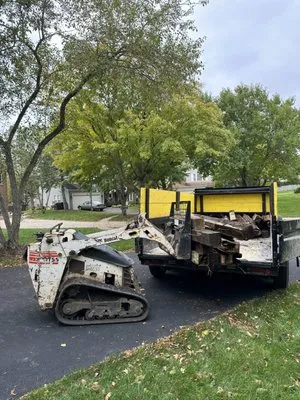
Smile Property Maintenance is your trusted local partner for comprehensive outdoor care in Lake in the Hills, IL. We take pride in handling every project, from routine lawn maintenance to complex tree...

Moral Landscape & Construction
Moral Landscape & Construction is a trusted local provider of lawn and tree services in Lake in the Hills, IL. We specialize in addressing common landscaping challenges faced by homeowners in our comm...
Stand-up Landscaping is a trusted local landscaping company serving Lake in the Hills, IL, and surrounding areas. We specialize in comprehensive lawn care and irrigation solutions tailored to the uniq...
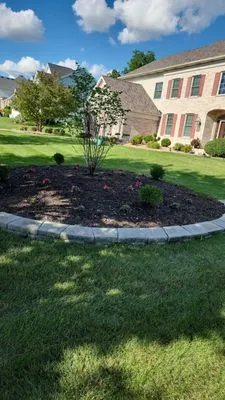
Stand-up Landscaping is a dedicated local service in Lake in the Hills, IL, specializing in comprehensive property care. We focus on resolving common area challenges like overgrown shrubs and poor law...
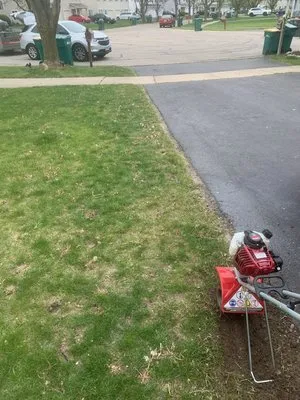
MT Lots & Lawns is a trusted lawn care provider serving Lake in the Hills, IL, and surrounding communities. We specialize in comprehensive lawn care services designed to address common local landscapi...
Common Questions
Our lawn in Indian Trail seems dense and compacted. Is this just normal wear and tear?
The soil profile on lots built around 1995 is a primary factor. Over 31 years, the original topsoil has degraded, and the underlying Mollisols, a silty clay loam, has become dominant. This soil type has low permeability and high density, leading to compaction that restricts root growth and water infiltration. Core aeration combined with adding organic compost is essential to rebuild soil structure and improve percolation for long-term turf health.
How do we keep our Kentucky Bluegrass and Tall Fescue lawn green during a dry spell without breaking water rules?
Lake in the Hills' Stage 1 voluntary conservation guidelines are best managed with precision. Smart Wi-Fi ET-based irrigation controllers are the key technology. They adjust watering schedules daily based on real-time evapotranspiration data, applying water only when the turf actually needs it. This method can reduce water use by 20-30% compared to traditional timers, preserving your grass blend while adhering to municipal water limits and promoting deeper root systems.
Our HOA issued a violation notice for overgrowth. How quickly can you respond for compliance?
We prioritize HOA compliance calls. A crew can be dispatched from our central staging area near Indian Trail Beach, taking IL-47 to your location in the Indian Trail neighborhood. Our standard peak response window is 20-30 minutes. For immediate emergency cleanup, we maintain a fleet of electric mowers and trimmers that operate within the village's 8:00 AM to 8:00 PM noise ordinance, allowing us to begin work promptly upon arrival.
Do we need a permit to regrade our backyard, and what kind of contractor should we hire?
Regrading that alters drainage patterns or involves significant cut/fill on a 0.28-acre lot typically requires a permit from the Village of Lake in the Hills Community Development Department. This work must be performed by a licensed professional. In Illinois, landscape contractors performing earth-moving and structural work should hold a license from the Illinois Department of Financial and Professional Regulation (IDFPR), ensuring they carry proper insurance and adhere to state building codes.
We're adding a patio. Are concrete pavers a better long-term choice than wood?
For longevity and minimal maintenance in our climate, concrete pavers significantly outperform wood. They are impervious to rot, insect damage, and moisture-related warping common with timber. Their modular design allows for frost-heave resistance and easy repair. While Lake in the Hills has a low Fire Wise rating, the non-combustible nature of pavers also contributes to defensible space, a consideration for any landscape material selection in wildfire-prone regions.
We're tired of weekly mowing and gas blower noise. Are there lower-maintenance options?
Transitioning high-maintenance turf areas to a xeriscape with native plants is a forward-looking strategy. Species like Purple Coneflower, Little Bluestem, and Butterfly Milkweed are adapted to Zone 5b and require no mowing, minimal water, and no leaf blowing once established. This reduces reliance on gas-powered equipment, aligning with evolving noise ordinances and electric fleet trends. It also creates a resilient, biodiverse landscape that supports local pollinators.
What invasive species should we watch for, and how do we treat them safely?
Common invasive alerts for this area include garlic mustard, buckthorn, and creeping Charlie. Manual removal is most effective for small infestations. For targeted chemical control, use a glyphosate-based herbicide applied directly to the foliage, strictly following label instructions. Crucially, any fertilizer or weed-and-feed product must be phosphorus-free to comply with the Illinois Phosphorus Application Prohibition. Always check product labels to avoid ordinance violations.
We get seasonal ponding in our yard after heavy rain. What's a lasting solution?
Ponding is a direct result of the high clay content in our local silty clay loam soil, which has very slow permeability. A graded dry creek bed or French drain system can redirect surface water. For new hardscapes, specify permeable concrete pavers or an open-graded crushed limestone base to increase infiltration. These solutions help manage runoff on-site, which is increasingly important for meeting the Village of Lake in the Hills Community Development Department's stormwater management standards.
