Top Landscaping Services in Lake Bluff, IL, 60044 | Compare & Call


Mariani Landscape is a family-owned landscaping company serving Lake Bluff and the greater Chicagoland area since 1958. Founded by Vito Mariani, an Italian immigrant who started with garden maintenanc...
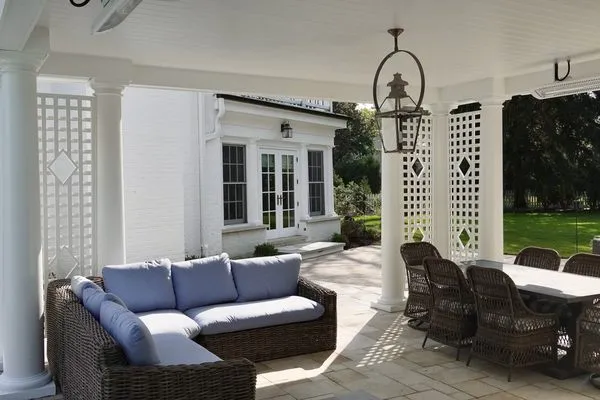
The Bravo's Landscape
The Bravo's Landscape is a family-owned and operated landscape design and construction company serving Lake Bluff, IL, with over 23 years of experience. Led by José Sr., José Jr., and Miguel, this tea...
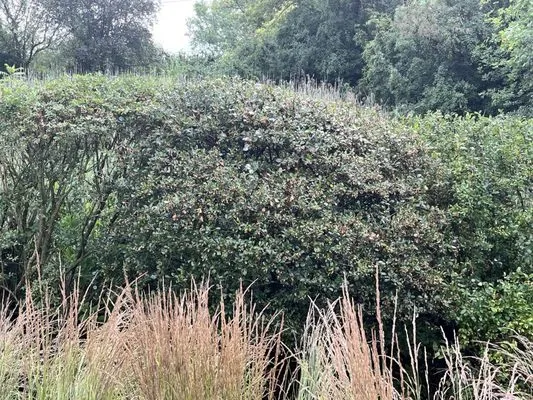
Kinnucan Tree Experts & Landscape Company
Founded in 1970 by Robert C. Kinnucan, Kinnucan Tree Experts & Landscape Company began as a dedicated tree care service for the North Shore. Over decades of growth, the company has organically expande...
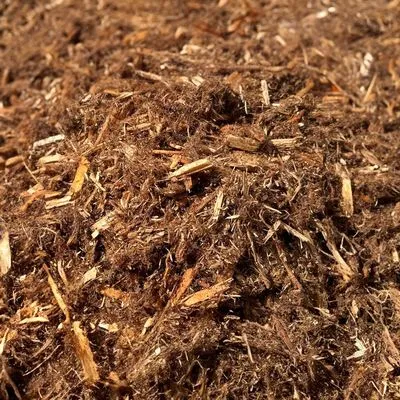
The Mulch Center
The Mulch Center in Lake Bluff, IL, is a family-owned, local leader in sustainable landscaping, founded by Jim Seckelmann. For over 18 years, they've been dedicated to providing high-quality mulch pro...
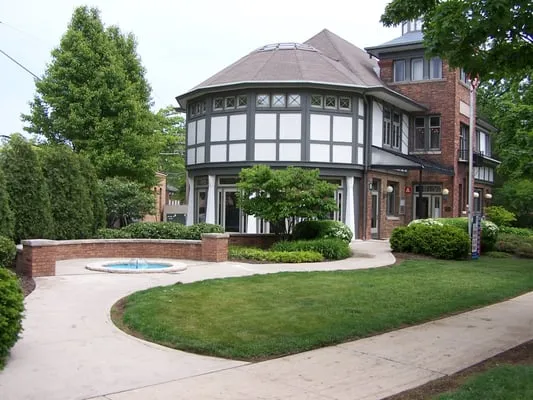
Wendt Landscaping is a family-run business deeply rooted in Lake Bluff. Founded in 1997 by Patty and Dale Wendt, the company is now operated by their son Andy and his wife Paola, continuing a legacy o...

Rogers Nursery is a family-owned landscape business serving Lake Bluff, IL, and the North Shore since 1934. We specialize in comprehensive landscaping and home improvement services tailored to each cl...

Paez Landscaping is a trusted local landscaping company serving Lake Bluff, IL, and surrounding areas. We specialize in comprehensive landscape care, including gardening, lawn maintenance, shrub care,...
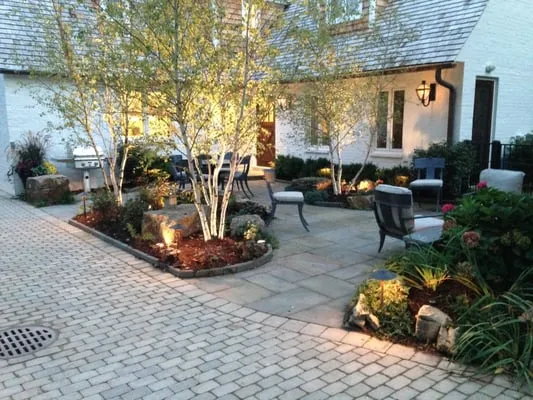
Horvat Design Group
Horvat Design Group is a Lake Bluff-based landscape architecture firm with over 20 years of experience transforming outdoor spaces. Led by Illinois Licensed Architects, the team specializes in creatin...
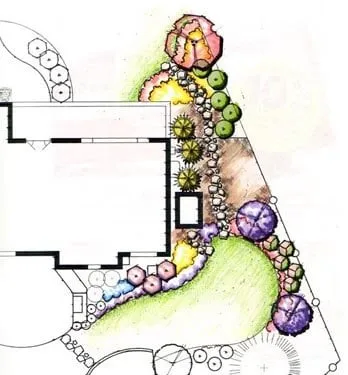
Griffin Design Build
Griffin Design Build is a Lake Bluff, IL-based landscape design and construction firm founded by a Purdue University Horticulture and Landscape Architecture graduate. After gaining five years of exper...
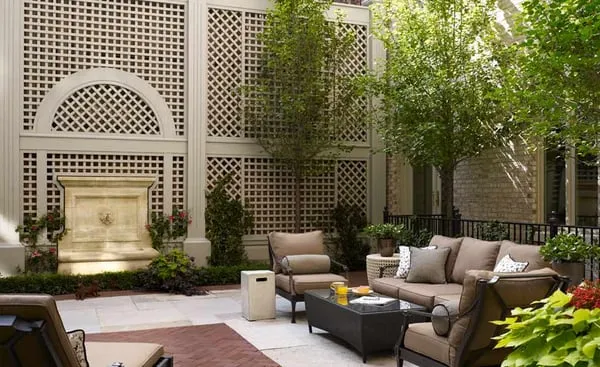
Scott Byron & Co
Scott Byron & Co. is an award-winning landscape architecture firm in Lake Bluff, IL, with nearly 40 years of experience designing, constructing, and maintaining custom outdoor environments. Founded in...
Frequently Asked Questions
What permits and licensing are required for regrading our 0.35-acre property?
Grading work on 0.35-acre lots requires both Village of Lake Bluff Building & Zoning Department permits and Illinois Department of Financial and Professional Regulation licensed contractors. The permit ensures compliance with local drainage and erosion control standards, while state licensing verifies contractors carry proper insurance and follow best practices for soil management. Unlicensed grading can create drainage issues affecting neighboring properties in clay loam soils.
How do we maintain healthy turf while following Lake Bluff's water conservation guidelines?
Smart Wi-Fi ET-based weather sensing irrigation systems automatically adjust watering schedules based on actual evapotranspiration rates. This technology preserves Kentucky Bluegrass and Fine Fescue blends while staying within Stage 1 voluntary conservation limits. The system reduces water use 20-30% compared to traditional timers by accounting for rainfall, humidity, and temperature data specific to Lake Bluff's microclimate.
Our yard has standing water after rains - what solutions work with Lake Bluff's clay loam soil?
Mollisols clay loam naturally has poor infiltration, exacerbating Lake Bluff's high seasonal water table. Installing permeable concrete pavers or Lannon stone hardscapes creates drainage pathways that meet Village of Lake Bluff Building & Zoning Department runoff standards. These materials allow 4-8 inches per hour infiltration rates while providing stable surfaces that won't shift during freeze-thaw cycles common in USDA Zone 6a.
We've spotted invasive buckthorn spreading - how do we treat it without violating local fertilizer rules?
Buckthorn requires mechanical removal followed by targeted herbicide application during active growth periods. Treatment must avoid Illinois Fertilizer Act blackout dates and use phosphorus-free products as required by local ordinance. For established infestations, cut-stump applications in late summer prevent resprouting while minimizing soil disturbance that could trigger further invasive spread in clay loam ecosystems.
What low-maintenance alternatives work for reducing lawn care requirements in our neighborhood?
Transitioning high-maintenance turf areas to native plantings like Purple Coneflower, Little Bluestem, and Butterfly Milkweed reduces mowing frequency and aligns with emerging electric equipment trends. These deep-rooted perennials require minimal watering once established and provide habitat supporting 2026 biodiversity standards. The approach also reduces dependency on gas-powered equipment ahead of anticipated noise ordinance tightening.
We need emergency storm cleanup to meet HOA compliance deadlines - how quickly can a crew arrive?
Emergency response crews dispatch from the Lake Bluff Village Green area, taking I-94 to reach Central Business District properties within 25-35 minutes during peak conditions. This routing accounts for traffic patterns while maintaining compliance with the 7 AM-7 PM weekday noise ordinance for gas-powered equipment. The crew prioritizes safety hazards first, then addresses visible compliance issues within the initial service window.
Should we use permeable pavers or wood for our new patio considering longevity and maintenance?
Permeable concrete pavers and Lannon stone offer 30+ year lifespans with minimal maintenance, compared to wood's 10-15 year replacement cycle. These materials maintain their permeability rating over time while providing the fire-resistant surfaces recommended for Lake Bluff's low urban/suburban interface fire rating. The initial investment returns through reduced replacement costs and compliance with modern stormwater management standards.
Our Lake Bluff home was built around 1974 - what should I know about the soil quality after all these years?
With 52 years of soil development since 1974, Central Business District lots have mature Mollisols clay loam that becomes compacted over time. This soil type naturally has pH 6.8-7.2 but develops poor permeability from decades of foot traffic and equipment weight. Annual core aeration with compost amendments improves soil structure and water infiltration, addressing the high seasonal water table common in these older neighborhoods.
