Top Landscaping Services in Knox, IL, 61401 | Compare & Call
There are 168 landscaping companies server in Knox IL
Joos Lawnscapes, based in East Peoria, IL, has been a trusted local landscaping provider since 2010. Specializing in gardening and landscape maintenance, they offer practical solutions like delivery o...
Burger Landscapes is a trusted local landscaping company serving Chillicothe, IL, specializing in gardening and landscape maintenance. We understand the common local challenges like soil compaction an...
Ezz Lawn Care in Hanna City, IL provides reliable and affordable lawn services for local residents. Using a push mower for precise cutting, I offer lawn mowing and weed whacking at a straightforward r...
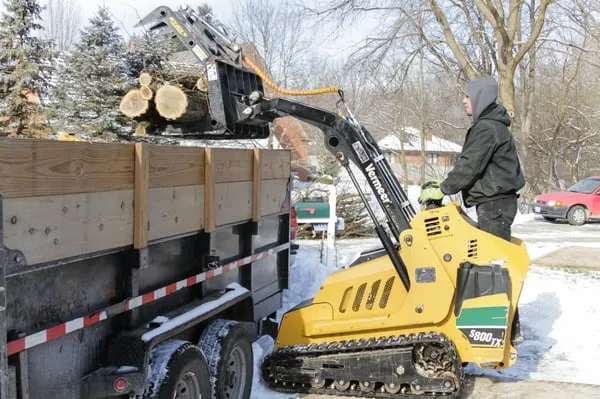
Zehr Property Maintenance
Zehr Property Maintenance is a locally owned and operated landscaping and tree service company serving Deer Creek, IL, and the surrounding East Peoria area for nearly a decade. Founded by Jon, who was...
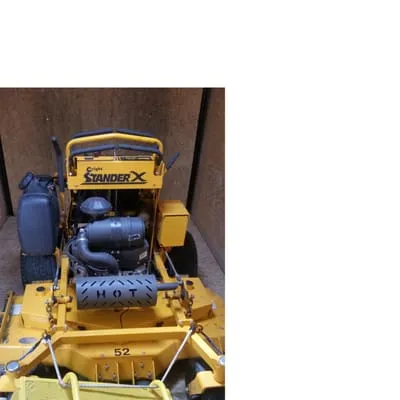
Taylor Landscaping brings over 15 years of hands-on experience to every property in East Peoria. Having managed other companies for years, owner Taylor now leads a respectful, detail-focused team dedi...
Pop's Lawncare and Driveway Restoration is a trusted, locally-owned business serving Knoxville and the surrounding area. We specialize in comprehensive lawn care and driveway services designed to tack...
CJL Landscaping is a trusted local landscaping company serving homeowners in Brimfield, IL. We specialize in addressing common local landscaping challenges, including landscape edging damage and sprin...

TnT Helping Hands is a trusted, locally-owned service provider in Chillicothe, IL, dedicated to helping homeowners maintain and enjoy their properties. We specialize in comprehensive lawn care and hom...
CJL Landscaping is a locally owned and operated landscaping company serving Edwards, IL, and the surrounding area. We understand the common challenges homeowners face, such as persistent weed infestat...
Founded as Jungle Lawn Care by Army Veteran Ray Moberly in 1989, Easier Grounds Management has deep roots in Central Illinois. Now led by Ray's son Austin, the business built on family values and a co...
Estimated Landscaping Service Costs in Knox, IL
Q&A
Can I maintain Kentucky Bluegrass and Tall Fescue during Knox's voluntary water conservation?
Smart Wi-Fi ET-based controllers precisely match irrigation to actual evapotranspiration rates, reducing water use 20-40% while preserving turf health. These systems automatically adjust for rainfall and temperature fluctuations, keeping your blend within municipal conservation guidelines. Properly programmed controllers deliver deep, infrequent watering that encourages drought-resistant root development in USDA Zone 5b conditions.
Why does my Knox City Center lawn have such poor drainage and compaction issues?
Knox City Center properties built around 1961 have 65-year-old soil profiles where decades of foot traffic and maintenance have degraded the original silt loam structure. The pH 6.5-7.0 range indicates adequate acidity, but high clay subsoil layers common in this neighborhood reduce permeability significantly. Annual core aeration with organic compost amendments is essential to restore pore space and microbial activity in these mature landscapes.
What permits and licenses are needed for grading my 0.25-acre property?
Significant grading on 0.25-acre lots requires Knox County Planning & Zoning Department approval for erosion control and drainage plans. Contractors must hold Illinois Department of Financial and Professional Regulation landscaping licenses for earth moving exceeding 50 cubic yards. These regulations ensure proper slope stabilization and prevent downstream sedimentation, with particular attention to the high clay subsoil conditions prevalent throughout Knox City Center.
What's the best solution for poor water infiltration in my clay-heavy soil?
High clay subsoil requires integrated drainage strategies beginning with French drains or dry wells to intercept subsurface water. Crushed limestone offers superior permeability compared to traditional pavers, meeting Knox County Planning & Zoning Department runoff standards. Combining these with rain gardens planted in native species creates a complete system that manages stormwater while improving soil structure over time.
Are crushed limestone and clay brick pavers better than wood for patio materials?
Crushed limestone provides natural drainage with 40% permeability rates, while clay brick pavers offer century-long durability versus wood's 15-25 year lifespan. Both materials maintain Knox's Low Fire Wise Rating by creating non-combustible defensible space around structures. Their thermal mass moderates temperature extremes, and proper installation prevents the soil displacement common with wooden structures in silt loam soils.
How do I control invasive species without violating fertilizer regulations?
Identify common Knox invaders like garlic mustard or Japanese knotweed through early spring scouting. Mechanical removal before seed set avoids chemical treatments that might conflict with Illinois Phosphorus Application Act restrictions. For persistent problems, targeted spot applications using soil-test-approved products during appropriate growing windows prevent phosphorus runoff while protecting desirable native vegetation and soil microbiology.
How quickly can you respond to an emergency tree cleanup after a storm?
For HOA compliance or storm damage situations, our electric fleet can dispatch from the Knox County Courthouse area via US Route 150 within 20-30 minutes during peak response windows. This routing avoids residential bottlenecks while adhering to Knox's 8:00 AM - 8:00 PM noise ordinance restrictions. We prioritize safety assessments before initiating cleanup operations on compromised trees or structures.
Should I replace some lawn areas with native plants to reduce maintenance?
Transitioning high-maintenance turf to Purple Coneflower, Little Bluestem, Butterfly Milkweed, and Wild Bergamot creates resilient landscapes requiring minimal inputs. These natives support local pollinators while eliminating weekly mowing and reducing irrigation needs by 75%. This approach future-proofs your property against potential gas-blower restrictions under evolving noise ordinances, as native plantings need no seasonal leaf removal.
