Top Landscaping Services in Johnsburg, IL, 60050 | Compare & Call

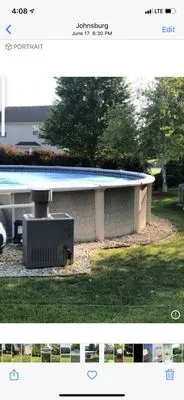
Roos Lawn Care is a locally owned and operated lawn service dedicated to the residents of Johnsburg and its neighboring communities. We provide consistent, reliable care through a range of services, i...
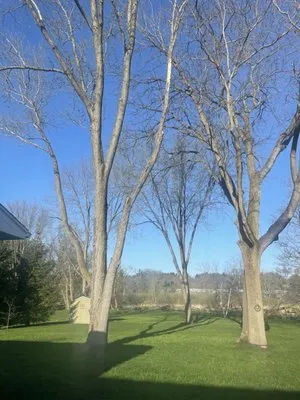
Busy Beavers Tree Service & More has been Johnsburg's trusted tree service and landscaping provider since 1995, serving McHenry, Lake, and surrounding counties. In 2021, we joined forces with P Hernan...

Planet Earth Lawn Care is a Johnsburg-based landscaping company dedicated to helping local homeowners maintain beautiful, healthy outdoor spaces. We specialize in addressing common local landscaping c...
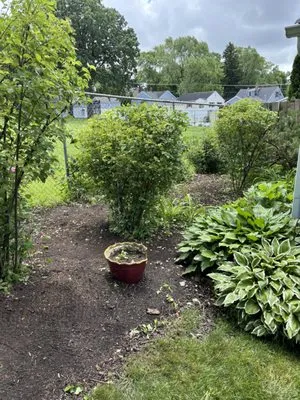
LnB Lawn Care is your trusted Johnsburg neighbor for maintaining a healthy, green lawn year-round. We understand the specific challenges local homeowners face, from stubborn moss growth that thrives i...
Common Questions
We want to level our backyard. Do we need a permit, and what should we look for in a contractor?
Yes, significant grading on a 0.35-acre lot typically requires a permit from the Village of Johnsburg Building & Zoning Department to ensure proper drainage and compliance with codes. More importantly, the contractor must hold an active license from the Illinois Department of Financial and Professional Regulation. This licensing ensures they carry the required insurance and have proven competency in earthwork that affects property drainage and structural integrity. Always verify this license before any contract is signed.
We're adding a patio. Is wood or concrete better for longevity and safety here?
For longevity and low maintenance in Johnsburg's climate, concrete pavers are superior to wood. They resist freeze-thaw cycles, will not rot, and require no chemical treatments. While our community has a Low Fire Wise Rating, non-combustible hardscape materials like pavers or crushed limestone contribute to defensible space by creating a fuel break. Their durability and permeability, when installed correctly, also provide a better long-term return on investment compared to composite or natural wood decks.
A low spot in my yard turns into a pond after heavy rain. What's a permanent fix?
Seasonal ponding is a common issue due to the high clay content in our silt loam soils, which dramatically slows permeability. A graded French drain system channeling water away from the foundation is the standard solution. For any new patios or walkways, specify permeable concrete pavers or an open-graded crushed limestone base to increase surface infiltration. The Village of Johnsburg Building & Zoning Department now requires stormwater management plans for larger hardscape projects to mitigate runoff.
A storm knocked down a large limb. How quickly can a crew get here for an emergency cleanup?
For urgent storm response, our standard dispatch time from our base near Miller Point Park is 25-35 minutes during peak hours. We route via US Route 12 to access Johnsburg North efficiently. The crew will arrive equipped for immediate debris processing and can provide documentation for insurance if needed. This service prioritizes safety hazards like blocked driveways or hanging limbs to secure the property first.
I'm tired of weekly mowing and gas equipment noise. Are there quieter, lower-maintenance options?
Absolutely. Transitioning perimeter zones to a native plant community using species like Purple Coneflower, Little Bluestem, and Butterfly Milkweed eliminates weekly mowing and reduces watering needs by over 80%. These deep-rooted perennials build soil health and support local pollinators. This shift also future-proofs your property against evolving noise ordinances that may further restrict gas-powered blowers and mowers, favoring electric maintenance fleets.
My lawn has never looked great, and the soil seems hard as a rock. Is this just the Johnsburg dirt?
It's likely a legacy of your property's development. Most homes in Johnsburg North were built around 1986, creating 40-year-old soils that are heavily compacted from original construction. Our local Mollisols are naturally fertile silt loam, but decades of foot traffic and equipment have crushed soil structure, reducing percolation and air space. Core aeration and incorporating composted organic matter are critical first steps to rebuild porosity and biological activity, moving the soil beyond its construction-grade baseline.
I see a fast-spreading vine taking over my flower beds. How do I stop it without harming my garden?
This is likely an invasive species like creeping Charlie or bindweed. Correct identification is crucial, as treatment timing and method vary. Manual removal is best for small areas. For larger infestations, a targeted, systemic herbicide applied at the specific growth stage is effective. Crucially, any treatment plan must comply with the Illinois Phosphorus Application Act; this means no phosphorus-containing fertilizers can be used as part of a recovery program unless a certified soil test confirms a deficiency.
How can I keep my Kentucky Bluegrass lawn green during summer without violating water restrictions?
Under Johnsburg's Stage 1 voluntary conservation, precision is key. Smart Wi-Fi soil moisture sensor controllers are essential; they apply water based on actual ET (evapotranspiration) and root zone needs, not a fixed schedule. For Zone 5b, deep, infrequent watering that encourages deeper roots in your fine fescue blend is more effective than frequent light sprinkling. This technology can reduce potable water use by 20-30% while maintaining turf health, aligning with municipal conservation goals.
