Top Landscaping Services in Island Lake, IL, 60042 | Compare & Call

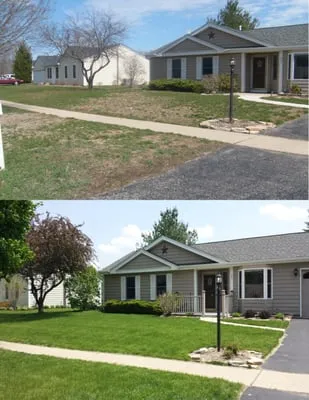
Turf Techs is a family-owned lawn care service deeply rooted in Island Lake, IL. Founded in 1998 by a lifelong local resident, our expertise is built on over 25 years of hands-on experience and formal...
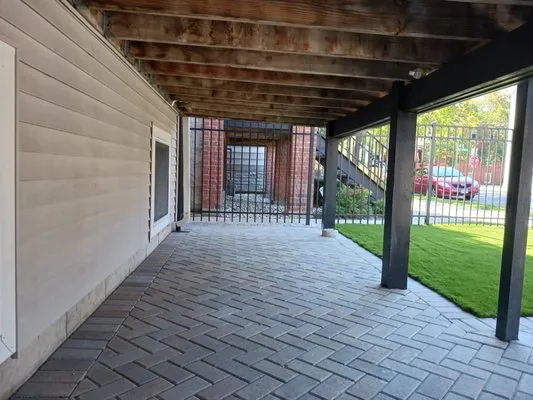
Rosas Landscaping & Ice Control is a trusted local business in Island Lake, IL, founded in 2020 by a team with a combined 23 years of hands-on experience in the field. We provide reliable, year-round ...

Nicholas Tree Care is a locally owned and operated tree service and landscaping company serving Island Lake, IL. Founded by Nicholas, who immigrated to the United States at seventeen and has built his...
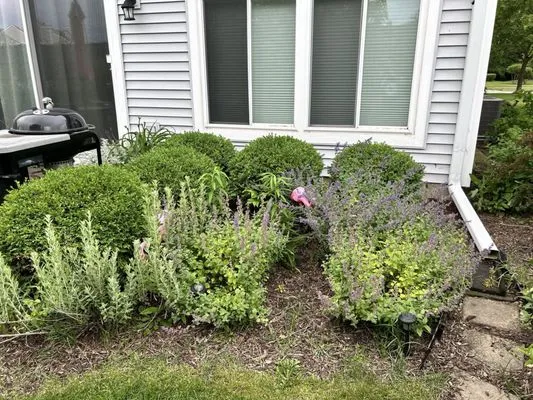
Rudy's Lawn Service is a family-owned and operated landscaping and snow removal company that has been serving the greater northwest Chicago Metro area, including Island Lake, IL, since 1995. With deca...

Twin Peaks Landscaping is a trusted local landscaping company serving Island Lake, IL, and the surrounding areas. We specialize in comprehensive landscaping solutions, pressure washing services, and c...
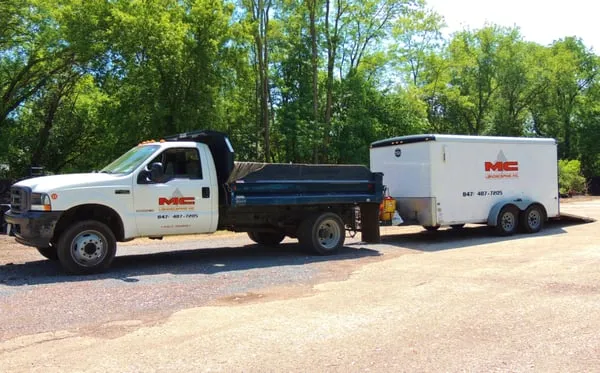
M C Landscaping has been a trusted name in Island Lake and the broader suburban Chicago area for over three decades. We specialize in transforming outdoor spaces through comprehensive landscaping, dur...

NR Landscaping is your trusted, full-service landscaping partner serving Island Lake, IL, and the surrounding areas. We specialize in comprehensive landscaping, tree services, and snow removal, offeri...
Stander's Landscaping is a trusted local landscaping company serving Island Lake, IL, and surrounding areas. We specialize in addressing common landscaping challenges faced by homeowners in our commun...
CR Nelson Landscaping is a trusted, locally-owned landscaping company serving Island Lake, IL, and the surrounding communities. We specialize in comprehensive landscape maintenance and repair services...
Elmer Landscaping is a trusted local business serving Island Lake, IL, specializing in landscaping, painting, and pressure washing services. Many homes in the area face common landscaping challenges l...
Frequently Asked Questions
How quickly can you respond for an emergency storm cleanup to meet HOA compliance deadlines?
For urgent HOA compliance or post-storm cleanups, our standard peak response is 25-35 minutes. We dispatch a crew from our staging area near the Island Lake Village Hall, utilizing US Route 176 for primary access to the Village Center. This routing ensures we can mobilize with necessary equipment within the designated window, prioritizing safety and debris removal to restore property lines and clear walkways.
Why is proper licensing so important for regrading my quarter-acre lot?
Significant regrading alters water runoff patterns, impacting neighboring properties and municipal systems. The Village of Island Lake Building & Zoning Department requires permits for such work to ensure it complies with drainage and erosion control codes. The contractor must hold appropriate licensing through the Illinois Department of Financial and Professional Regulation, which validates their knowledge of soil mechanics, local ordinances, and best practices—essential insurance for protecting your investment and community on a 0.25-acre parcel.
Is it possible to maintain a healthy lawn under Island Lake's voluntary water conservation rules?
Absolutely. Adhering to Stage 1 voluntary conservation is best achieved with Wi-Fi ET-based weather sensing irrigation. This technology schedules watering based on real-time evapotranspiration data, applying moisture only when your Kentucky Bluegrass and Fine Fescue blend truly needs it. This precision eliminates wasteful runoff, keeps your turf resilient during dry spells, and ensures you remain well within municipal water use expectations without sacrificing lawn health.
Are concrete pavers a better long-term choice than wood for a new patio?
For longevity and reduced maintenance, concrete pavers are superior. They offer exceptional durability against freeze-thaw cycles in Zone 5b and do not rot, warp, or attract pests. In our low Fire Wise rating area, non-combustible materials like pavers and crushed limestone also contribute to defensible space by creating a fire-resistant zone around your home. Their modular design allows for excellent permeability when installed correctly, addressing our core drainage challenges.
What invasive species should I watch for, and how do I control them safely?
Be vigilant for creeping Charlie, garlic mustard, and buckthorn, which thrive in disturbed soils. Manual removal is effective for early infestations. For chemical control, use a selective, phosphorus-free herbicide applied in fall to target roots, strictly adhering to the local ordinance that prohibits phosphorus on established turf. Always check product labels to ensure compliance and avoid applications during peak spring growth or near waterways to protect soil and water quality.
My yard stays soggy for days after rain. What's the cause and a lasting solution?
This is a classic symptom of the high seasonal water table and poor infiltration inherent to our silt loam soils. Water simply cannot percolate through the compacted layers. A functional solution involves regrading to create positive surface flow and installing subsurface French drains. For any new patios or paths, specify permeable concrete pavers or an open-graded crushed limestone base to increase ground absorption and meet Village of Island Lake runoff management standards.
Why does my lawn seem thin and compacted compared to the native areas around Island Lake?
Properties in the Island Lake Village Center, primarily built around 1990, sit on 36-year-old constructed landscapes. The underlying Mollisols silt loam, while fertile, was heavily compacted during initial grading. Decades of standard maintenance have degraded soil structure, reducing permeability and organic matter. Core aeration and targeted organic amendments are now critical to rebuild soil biology and mitigate the poor infiltration common in these neighborhoods.
I'm tired of weekly mowing and gas equipment noise. Are there quieter, lower-maintenance options?
Transitioning to a climate-adaptive landscape with deep-rooted natives like Purple Coneflower, Little Bluestem, and Prairie Dropseed significantly reduces maintenance. These plants require no mowing, minimal watering once established, and support local biodiversity. This shift also future-proofs your property against evolving noise ordinances targeting gas-powered blowers and mowers, aligning with the industry's move toward electric maintenance fleets for quiet-hour compliance.
