Top Landscaping Services in Hudson, IL, 61748 | Compare & Call

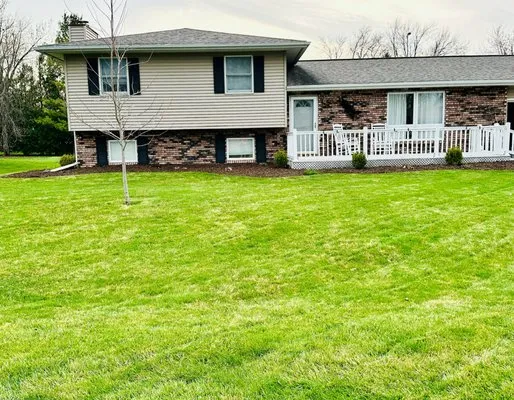
Twin City Lawn Pros is a trusted lawn care provider serving Hudson, IL, and the surrounding Twin City area. We specialize in comprehensive lawn care services designed to address common local landscapi...
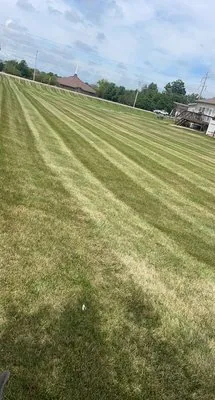
Roeske Mowing is a trusted local lawn service provider serving Hudson, IL, and the surrounding areas. We specialize in comprehensive lawn care to keep your property looking its best year-round. A comm...

Steve's Tree & Landscaping
Steve's Tree & Landscaping is your trusted, locally-owned expert in Hudson, IL, dedicated to keeping your property beautiful and functional year-round. We specialize in professional landscaping, tree ...

PMI Masonry is a trusted masonry and landscaping contractor serving Hudson, IL, and the surrounding areas. Specializing in both construction and repair services, we help homeowners address common loca...
Question Answers
How can I keep my lawn green during summer without wasting water or breaking any rules?
Despite Stage 0 water restrictions, conservation is critical. Installing a smart Wi-Fi soil moisture sensor controller is the most effective strategy. These devices irrigate your Tall Fescue and Bluegrass blend based on actual evapotranspiration (ET) and soil conditions, not a preset schedule. This prevents overwatering the dense Drummer clay, promotes deeper roots, and keeps you well within any future municipal water use limits, all while maintaining turf health.
We want to regrade our yard. What permits or licensed pros do we need for the job?
Regrading a 0.35-acre lot in Hudson often requires oversight. Significant earth moving that alters drainage patterns or affects neighboring properties typically needs a permit from the McLean County Building & Zoning Department. Furthermore, the contractor performing this work must hold appropriate licensing through the Illinois Department of Financial and Professional Regulation. This ensures they carry the required insurance and understand local soil conditions and building codes, protecting you from liability and substandard work that could worsen drainage issues.
I'm tired of constant mowing and blowing. Are there lower-maintenance, eco-friendly options?
Absolutely. Transitioning sections of high-input turf to a native plant community is a forward-thinking solution. Species like Purple Coneflower, Little Bluestem, and Butterfly Milkweed are adapted to Zone 5b, require no fertilization once established, and need minimal watering. This reduces mowing frequency and eliminates the need for gas-powered leaf blowers, keeping you ahead of evolving noise ordinances. The deep roots of these natives also significantly improve soil structure and water infiltration.
We have a major branch down after a storm and need immediate cleanup to meet HOA rules. How fast can you respond?
For emergency cleanup, our Hudson-based crews can typically be on-site within the quoted 20-30 minute window. We dispatch from near the Hudson Town Hall, taking I-39 for the most direct route to your neighborhood. This rapid response is coordinated to occur within local noise ordinance hours (7:00 AM - 9:00 PM) and focuses on making the area safe and compliant, with full debris removal following the initial triage.
We're adding a patio. Are concrete pavers a better choice than wood for our area?
For longevity and low maintenance in Hudson's climate, concrete pavers are superior to wood. They resist freeze-thaw cycles, do not rot, and require no sealing or staining. While Hudson has a low Fire Wise rating, pavers provide a permanent, non-combustible surface for defensible space if needed. Their modular design also allows for easier repairs and, when installed with a permeable base, helps mitigate the local drainage challenges far better than solid concrete slabs or wooden decks.
Our yard turns into a soggy mess every spring. What's the best long-term fix for drainage?
This is a classic symptom of Hudson's high seasonal water table and the poor infiltration rate of Drummer Silty Clay Loam. The solution involves redirecting surface water and improving subsoil permeability. We recommend installing French drains or dry creek beds to channel water away from foundations. For patios or paths, using permeable concrete pavers or open-graded crushed limestone allows water to infiltrate on-site, which often aligns with McLean County Building & Zoning Department's stormwater management expectations.
Our lawn never seems to thrive. Is there something wrong with the soil under our Hudson home?
Homes in Hudson Village Center, built around 1989, often have Drummer Silty Clay Loam that has become heavily compacted over nearly 40 years. This soil type has a high clay content, which restricts root growth and water percolation. In our 5b zone, this leads to poor turf establishment and increased runoff. Core aeration and the incorporation of composted organic matter are essential to rebuild soil structure, improve permeability, and support a healthy root zone for your Kentucky Bluegrass blend.
What are the biggest weed and pest threats to our landscape, and how do we treat them responsibly?
In established Hudson lawns, invasive broadleaf weeds like creeping Charlie and ground ivy are prevalent. For pest insects, grubs can damage turf roots. Treatment must begin with accurate identification. Crucially, any fertilizer or pesticide application must comply with the Illinois Phosphorus Application Act, which prohibits phosphorus unless a soil test confirms a deficiency. We use targeted, cultural, and organic controls first, reserving synthetic treatments for specific, confirmed infestations to protect soil biology and water quality.
