Top Landscaping Services in Hometown, IL, 60456 | Compare & Call
There are 196 landscaping companies server in Hometown IL
Jerry's Lawn, Landscape & Tree Care
Jerry's Lawn, Landscape & Tree Care has been serving Oak Lawn, IL, and surrounding communities like Evergreen Park, Palos Heights, and Palos Park since 1988. As a fully licensed and insured provider, ...
JRBR Enterprises
JRBR Enterprises is a trusted local contractor in Oak Lawn, IL, with over 15 years of hands-on experience in landscaping, snow removal, and general contracting. We specialize in transforming outdoor s...
Glenview Lawn Care has been serving the Chicago community since 2012 with reliable, environmentally-conscious lawn care services. Our team combines horticultural expertise with a commitment to quality...
Absolutely Cutting Edge Lawn & Snow Services is a family-owned, licensed, and insured company serving Oak Lawn, IL, dedicated to enhancing the beauty and value of every client's property. Founded in 2...
C and T Landscaping Corp is a Chicago-based landscaping company dedicated to transforming outdoor spaces for homeowners and businesses across the city. With a comprehensive range of services including...
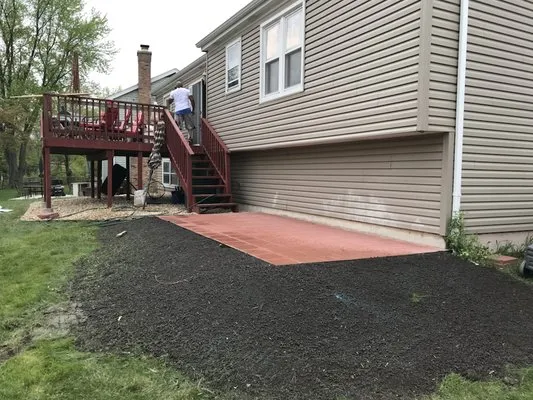
Angel Landscaping is a trusted lawn care provider serving Harvey, IL, and surrounding communities. We specialize in comprehensive lawn services designed to address common local landscaping challenges,...

Craig Bergman
Craig Bergman is a Lake Forest landscape architect and designer who has been building beautiful, functional outdoor spaces for the North Shore community since 1981. His full-service firm specializes i...
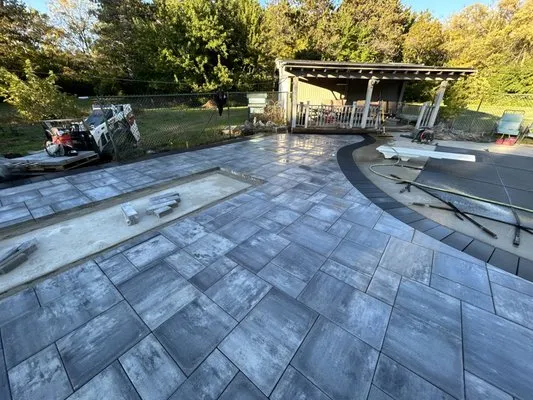
Marin Landscaping is a trusted, licensed contractor serving Carpentersville and the Chicagoland area for over two decades. With deep roots in the community, we specialize in transforming outdoor space...
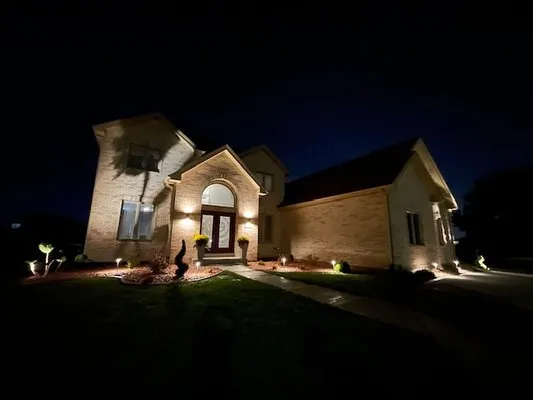
A & N Hardscape Landscaping
A & N Hardscape Landscaping has been a trusted local landscape designer in Markham, IL, since 2008. Founded with a commitment to providing our community with professional, quality work, we treat every...
Ramos Tree Service is a full-service landscaping and arborist company serving Chicago and the surrounding communities. We specialize in comprehensive tree and shrub care, landscape construction, and o...
Estimated Landscaping Service Costs in Hometown, IL
Questions and Answers
Should I replace some lawn with native plants to reduce maintenance?
Transitioning high-maintenance turf areas to Purple Coneflower, Butterfly Weed, Little Bluestem, and Wild Bergamot reduces mowing frequency and eliminates gas-powered equipment use during restricted hours. These natives require minimal irrigation once established and support local pollinators. A phased approach—converting 10-15% of lawn annually—creates biodiversity corridors while maintaining usable green space.
How quickly can you respond to an emergency tree cleanup after a storm?
Our electric fleet operates within Hometown's noise ordinance (8 AM-7 PM) for immediate dispatch. From the Hometown Public Library, we take I-294 to reach most Residential District locations within 20-30 minutes during peak conditions. This rapid response prevents further property damage and addresses HOA compliance issues with fallen branches or debris blocking sidewalks and driveways.
What's causing seasonal ponding in my yard and how do we fix it?
Moderate seasonal ponding results from Hometown's clay subsoil layer beneath silt loam, which slows percolation. Installing French drains or dry wells redirects surface water away from problem areas. Using permeable concrete pavers for patios and walkways increases ground absorption by 40-50% compared to traditional concrete, helping meet Hometown Building and Zoning Department runoff management standards.
Can I maintain my Kentucky Bluegrass and Tall Fescue lawn under Stage 1 water restrictions?
Wi-Fi smart ET-based irrigation systems adjust watering schedules using real-time weather data and evapotranspiration rates. This technology reduces water use 20-30% while preserving turf health by delivering moisture only when needed. Programming deep, infrequent watering (0.5-1 inch weekly) encourages deeper root growth and drought tolerance, keeping you well within Hometown's voluntary conservation guidelines.
What invasive species should I watch for and how do I control them safely?
Garlic mustard and buckthorn pose significant threats in Hometown's urban-suburban interface. Manual removal before seed set is most effective for small infestations. For larger areas, targeted herbicide applications in fall avoid spring phosphorus fertilizer blackout dates under Illinois law. Always identify invasives through University of Illinois Extension resources before treatment to prevent damage to desirable native plants.
What permits and licenses are needed for regrading my 0.19-acre lot?
The Hometown Building and Zoning Department requires permits for significant grade changes affecting drainage patterns. Contractors must hold Illinois Department of Financial and Professional Regulation landscaping licenses for earth moving exceeding 2 cubic yards. On 0.19-acre lots, even modest regrading often triggers review due to potential impacts on neighboring properties' water management and foundation stability.
Are permeable pavers better than wood for a new patio?
Permeable concrete pavers offer 25+ year durability versus wood's 10-15 year lifespan with maintenance. Their interlocking design allows for thermal expansion and accommodates root growth without heaving. In Hometown's low fire-wise rating areas, non-combustible pavers create defensible space around structures while managing stormwater through 30-40% void spaces that filter runoff naturally.
Why does my Hometown yard have such compacted soil that struggles to grow grass?
Hometown Residential District lots built around 1955 have 71-year-old soil profiles. The silt loam (pH 6.8-7.2) common here has experienced decades of foot traffic and equipment compaction, reducing pore space for root growth and water infiltration. Core aeration every 1-2 years creates channels for air and water movement. Adding 0.25-0.5 inches of compost annually improves soil structure and microbial activity without altering pH significantly.
