Top Landscaping Services in Helvetia, IL, 62249 | Compare & Call
There are 114 landscaping companies server in Helvetia IL
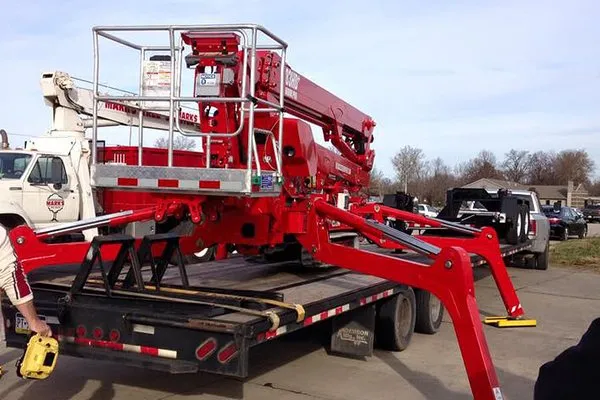
Since 1998, Mark's Tree Trim & Removal has been a trusted name in Edwardsville, built from a simple desire to help neighbors after storms. What began with a few chainsaws has grown into a comprehensiv...
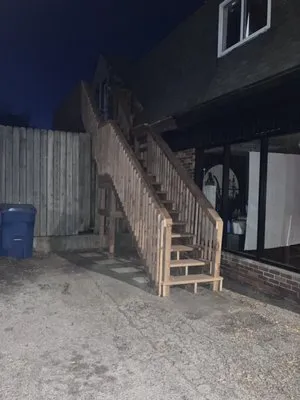
Based in Collinsville, Vaughn’s Fencing & Remodel brings decades of hands-on trade experience and a commitment to getting the details right. We're a local team of skilled professionals who take genuin...
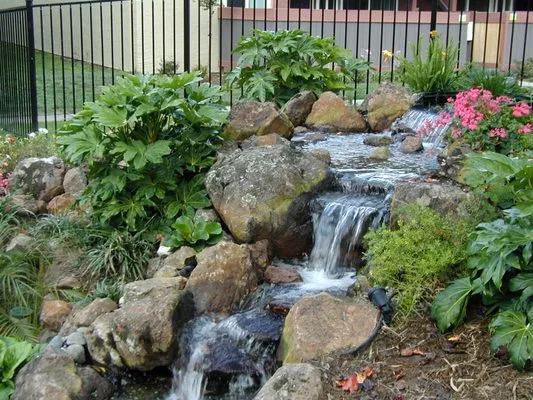
New View Landscaping is a full-service landscaping company serving Shiloh, IL, specializing in landscape design, construction, maintenance, irrigation, and lighting. We help homeowners and businesses ...
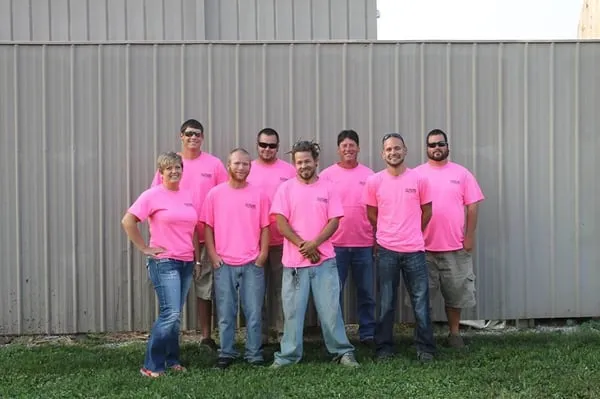
Element Turf & Outdoor Solutions is a family-owned business that has been serving Alton and surrounding communities since 2009. Formerly known as Cutting Edge Lawn Service, LLC, we are dedicated to pr...
Since 1997, KMJ Lawn Service has been a trusted local name for landscaping and lawn care in Saint Jacob, Illinois. We provide reliable, year-round services for both residential and commercial properti...
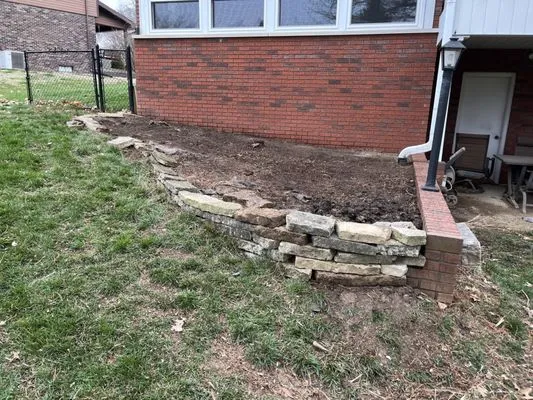
Baileys Landscape & Design
Baileys Landscape & Design is a Granite City-based landscape installation, hardscape, and design/build business committed to year-round client satisfaction. We offer a comprehensive range of services ...
Wood River Lawn Care is a locally owned and operated lawn and tree service provider dedicated to enhancing the outdoor spaces of Wood River, Bethalto, and the surrounding Illinois communities. Our tea...

Lawn Dog Lawn Care
Lawn Dog Lawn Care is a family-owned and operated lawn service business in Caseyville, IL, founded by Steven and Erika Johns. With Steven's lifelong passion for landscaping and Erika's dedication to b...
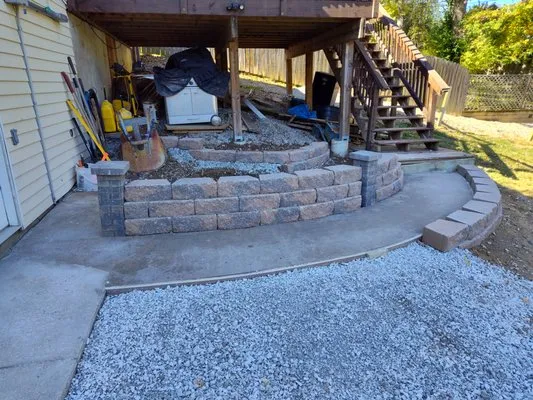
Holmes Outdoor Service is a locally owned and operated landscaping, snow removal, and excavation company serving Alton, IL. Founded by Ethan Holmes, who started mowing lawns at age 10 with a salvaged ...
Xpress Lawn Solutions has been providing reliable lawn care and property maintenance services to the Caseyville community since 1999. With over two decades of experience, our team specializes in compr...
Estimated Landscaping Service Costs in Helvetia, IL
FAQs
Is there a lower-maintenance, quieter alternative to our traditional turfgrass lawn?
Transitioning areas to a xeriscape featuring native plants like Purple Coneflower, Little Bluestem, and Butterfly Milkweed significantly reduces water, mowing, and chemical inputs. These deep-rooted perennials build soil health and require no gas-powered blowers for maintenance, aligning with evolving noise ordinances and electric fleet transitions. This creates a resilient, biodiverse landscape that supports local pollinators.
What permits and credentials are needed for regrading and drainage work on our 0.35-acre lot?
Significant grading or drainage alterations on a 0.35-acre property typically require a permit from Madison County Planning & Development to ensure compliance with erosion control and stormwater codes. The contractor must hold appropriate licensing through the Illinois Department of Financial and Professional Regulation, which verifies competency in site engineering and adherence to the Illinois Phosphorus Fertilizer Labeling Act for adjacent soil work.
Our yard has standing water every spring. What's a long-term solution for poor drainage in Helvetia's silt loam?
A seasonal high water table combined with the poor infiltration rate of silt loam creates chronic surface water. The solution integrates subsurface drainage like French drains with surface strategies. Replacing impermeable surfaces with permeable concrete pavers or crushed limestone for patios and paths increases groundwater recharge and can help meet Madison County Planning & Development standards for stormwater runoff management.
We're adding a patio. Are concrete pavers better than wood for longevity in our climate?
In USDA Zone 5b, concrete pavers and crushed limestone offer superior longevity to wood, which is susceptible to rot and freeze-thaw damage. These inorganic materials have excellent permeability when installed with proper base layers, aiding site drainage. They also contribute to a Firewise defensible space in low-risk suburban areas like Helvetia, as they are non-combustible and require no flammable mulches adjacent to structures.
How can we maintain our Kentucky Bluegrass and Tall Fescue lawn during Stage 1 water restrictions?
Wi-Fi ET-based weather-sensing irrigation controllers are the precise tool for voluntary conservation. These systems automatically adjust watering schedules based on real-time evapotranspiration data, applying water only when the turfgrass blend actually needs it. This technology often reduces total water use by 20-30% while maintaining canopy health, keeping your landscape within municipal guidelines without manual intervention.
How quickly can you respond for an emergency tree cleanup after a storm to meet HOA compliance deadlines?
An emergency dispatch for storm cleanup typically requires 45 to 60 minutes during peak response times. Our routing originates from the Helvetia Town Square, proceeding via IL-143 to access the Historic District. This schedule accounts for traffic and ensures compliance with standard noise ordinance windows, allowing work to commence promptly within the 7:00 AM to 9:00 PM framework.
What should we do about invasive species like creeping Charlie, and when can we safely treat them?
Invasive groundcovers compete aggressively with turf and natives. Treatment involves a targeted post-emergent herbicide application when the weed is actively growing, typically in late spring or early fall. Crucially, any fertilizer used must be phosphorus-free per the Illinois Phosphorus Fertilizer Labeling Act, as Helvetia's non-deficient soils prohibit its application. Always confirm product labels comply with state law.
Why does our Helvetia Historic District soil seem so compacted, and what can we do about it?
Properties built around the neighborhood average of 1978 have approximately 48 years of soil development, leading to significant compaction in the prevalent silt loam. This fine-textured soil naturally has poor permeability, and decades of standard maintenance have degraded its structure. Core aeration in early spring or fall, followed by incorporating compost, is essential to rebuild organic matter and improve water infiltration for healthy root zones.
