Top Landscaping Services in Hawthorn Woods, IL, 60047 | Compare & Call

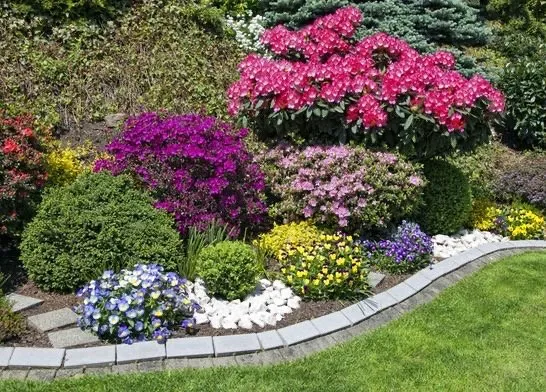
Edgewood Landscape & Hardscapes
Edgewood Landscape & Hardscapes in Hawthorn Woods, IL, is a family-owned business with over a century of stonework expertise, now specializing in custom outdoor features. We provide comprehensive land...
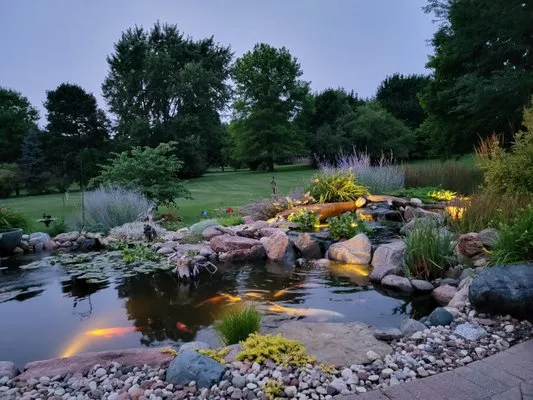
Aquastonia was founded in Hawthorn Woods from a personal passion for water features. After moving into a new home, founders Igor and his family discovered the joy and tranquility of their own backyard...
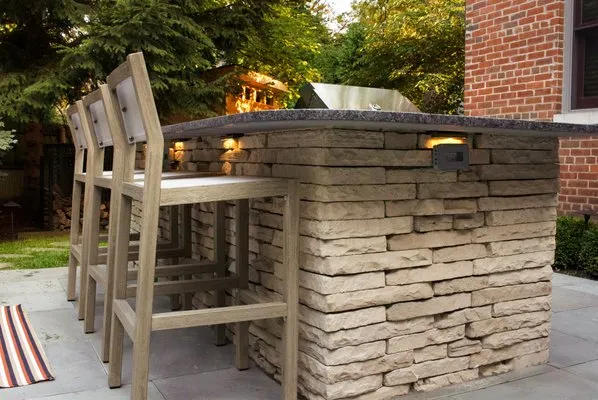
Apex Landscaping
Apex Landscaping is a trusted, locally-owned landscape service provider serving the Chicagoland and Southeast Wisconsin areas, including Hawthorn Woods, since 1991. Our team specializes in creating an...

Countryside Landscapes is a trusted Hawthorn Woods landscaping company with over 35 years of experience transforming local properties. We specialize in comprehensive landscape solutions including hard...

Prime Pour Hardscape is a trusted masonry and landscaping contractor serving Hawthorn Woods, IL, and the surrounding communities. We specialize in creating durable, functional, and aesthetically pleas...
Q&A
Our yard seems to get compacted every year. Is this just normal for our area?
Properties built around 1995, like many in Hawthorn Woods Country Club, have soils that are now 30 years post-construction. The native Mollisols and Alfisols are clay loams, which naturally compact under foot and equipment traffic, reducing permeability. This age indicates the soil structure has matured but likely lacks sufficient organic matter from topsoil stripped during building. Annual core aeration in fall, followed by incorporating compost, is critical to counteract this compaction and improve root zone health for your turf.
Is a new paver patio likely to heave or crack with our winter frost?
Proper installation is the definitive factor. On clay loam with high frost susceptibility, a robust, compacted sub-base of 6-8 inches of open-graded crushed limestone aggregate is non-negotiable. This base provides drainage and stability, preventing water from pooling and freezing beneath the pavers. A geotextile fabric separating the subsoil from the aggregate further enhances longevity. When built to this specification, a concrete paver patio will remain stable through Zone 5b freeze-thaw cycles without heaving.
We want to reduce mowing and gas blower noise. What's a good alternative to grass?
Transitioning perimeter zones to a native plant community is a forward-looking strategy. Species like Purple Coneflower, Butterfly Weed, and Prairie Dropseed are adapted to Zone 5b, require no fertilization once established, and need only an annual cut-back. This creates a low-input habitat that supports local biodiversity. Reducing the lawn area directly lessens dependency on gas-powered equipment, future-proofing your property against potential stricter noise or emissions ordinances.
How can we keep our Kentucky Bluegrass lawn healthy during voluntary water restrictions?
Stage 1 voluntary conservation aligns with using smart, Wi-Fi ET-based irrigation controllers. These systems adjust watering schedules daily based on local evapotranspiration data, applying water only when the turfgrass actually needs it. This precision prevents overwatering, which is especially detrimental to clay loam's poor infiltration, and maintains the Fine Fescue mix's drought tolerance. Properly managed, this technology can reduce potable water use by 20-30% while preserving turf health.
We've spotted what looks like invasive buckthorn. How should we handle it safely?
Correct identification is key; common buckthorn (Rhamnus cathartica) is a prevalent invader in our Woodland-Urban Interface. For young plants, manual removal is effective. For established specimens, a targeted cut-stump herbicide application in late fall is most effective. All treatments must comply with the Illinois Lawn Care Products Application and Notice Act, which restricts phosphorus and mandates proper notice. Avoid broadcast herbicides to protect nearby natives like Wild Bergamot.
If a storm damages trees and we need an emergency cleanup to meet HOA rules, how quickly can a crew arrive?
For emergency storm response, a crew dispatched from our base near Hawthorn Woods Community Park can typically reach Hawthorn Woods Country Club via IL-22 (Half Day Road) within the 20-30 minute window, even during peak traffic. We prioritize these calls to secure hazardous limbs and clear driveways first, ensuring compliance with local safety and aesthetic standards. Our electric-powered chippers and sweepers operate within the 7:00 AM to 9:00 PM noise ordinance, allowing for immediate post-storm work.
Our yard holds water for days after rain. What's the best long-term solution?
Persistent pooling is a hallmark of our region's high seasonal water table and clay loam's slow infiltration rate. The fundamental solution is improving subsurface drainage. This often involves installing French drains or dry wells to intercept groundwater. For any new hardscaping, specify permeable concrete pavers or an open-graded crushed limestone aggregate base. These materials facilitate on-site infiltration and can help projects meet the Village of Hawthorn Woods Building Department's stormwater runoff management standards.
Do we need a permit to re-grade our yard to fix drainage, and what kind of contractor should we hire?
Yes, significant regrading on a 0.75-acre lot typically requires a permit from the Village of Hawthorn Woods Building Department to ensure changes do not adversely affect neighboring properties or stormwater systems. The work must be performed by a contractor licensed by the Illinois Department of Financial and Professional Regulation. For earth moving and drainage, you require a contractor holding a Specialty License in Landscaping or a related classification, which ensures they are bonded and insured for this specific type of site engineering work.
