Top Landscaping Services in Harwood Heights, IL, 60706 | Compare & Call
There are 206 landscaping companies server in Harwood Heights IL
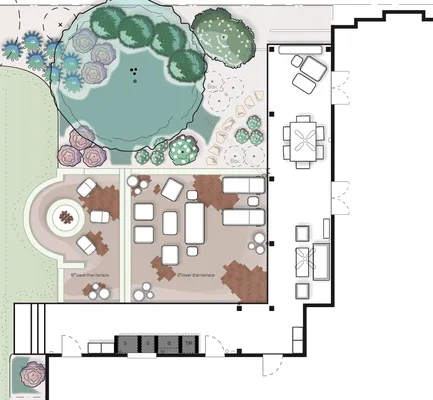
Twig Landscape Design is a full-service landscape design firm based in Oak Park, Illinois, serving the greater Chicago area. Founded in 2013 by certified landscape designer Michele, who holds a degree...
Three Brothers Construction
Three Brothers Construction is a family-owned, licensed and insured general contracting company serving Niles, IL since 2003. Founded by Ioan, who immigrated to America in 1984 seeking a better future...
PTL Landscsaping & Maintenance
PTL Landscaping & Maintenance has been a trusted Addison landscape contractor since 2000, providing comprehensive design, installation, and maintenance for both homes and businesses. Founded by owner ...
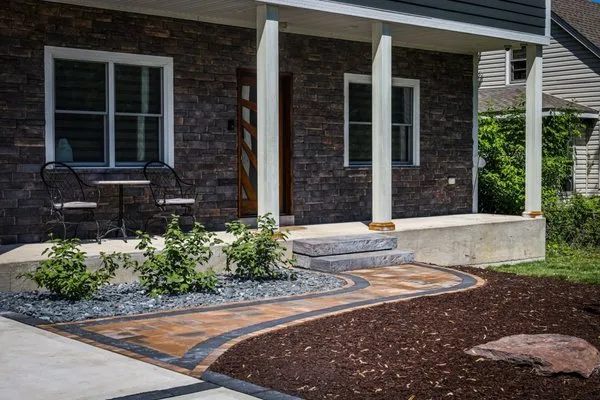
Lawn Mob Landscaping Inc. is a full-service landscape design firm serving Addison, IL, and surrounding areas. We specialize in creating unique, functional outdoor spaces that enhance both the beauty a...
TacTerrain is a Northlake, IL-based lawn care and snow removal service dedicated to enhancing outdoor spaces with personalized, sustainable solutions. We combine expertise with a commitment to eco-fri...
Advanced Landscaping is a full-service landscaping contractor serving Round Lake, IL, and the surrounding communities. We specialize in transforming outdoor spaces through comprehensive design, constr...
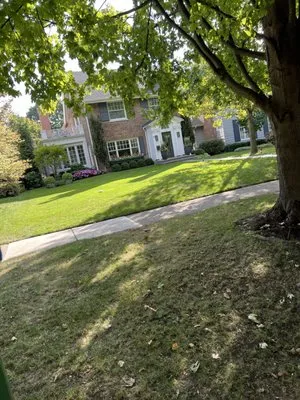
Tony's Landscaping in Ingleside, IL, is a dedicated team of landscaping professionals committed to providing the highest level of care for your lawn and garden. We focus on creating sustainable, envir...
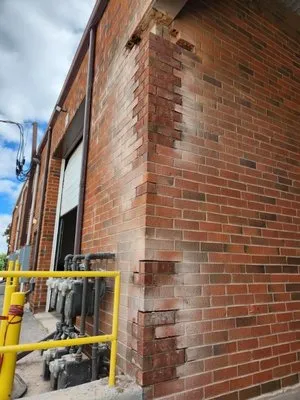
Abarca's Masonry & Landscaping Bros is a family-owned, full-service contractor serving Prospect Heights and the surrounding Northwest Suburbs. We specialize in both hardscape construction and landscap...
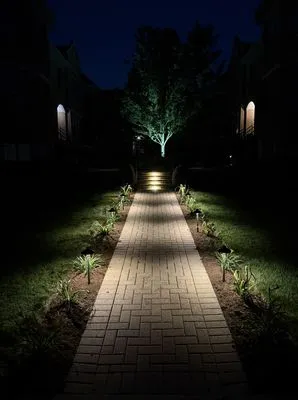
JB Landscaping and Brick is a Northbrook, IL-based landscape design and installation company specializing in creating beautiful, functional outdoor spaces for local homeowners. We understand the commo...

Chalet Nursery
Chalet Nursery & Landscape in Wilmette, IL, began with L.J. Thalmann's humble beginnings, pulling a red wagon of gardening tools behind his bike to care for local lawns. Three generations later, under...
Estimated Landscaping Service Costs in Harwood Heights, IL
Frequently Asked Questions
Are clay brick pavers better than wood for longevity in our climate?
Clay brick pavers offer 50+ year lifespans in Zone 5b freeze-thaw cycles, outperforming wood's 15-25 year range with minimal maintenance. Their thermal mass moderates surface temperatures, reducing urban heat island effect in Harwood Heights' low Fire Wise rating areas. For defensible space considerations, non-combustible hardscapes create firebreaks without requiring chemical treatments. Properly installed with polymeric sand joints, brick systems resist frost heave better than concrete while maintaining permeability for stormwater management.
What permits and licenses are needed for grading my 0.15-acre lot?
Grading alterations exceeding 50 cubic yards require Harwood Heights Building Department permits with engineered drainage plans. Illinois Department of Agriculture licensing mandates Landscape Architect Registration Board certification for designs impacting water flow patterns or structural stability. On 0.15-acre parcels, even modest regrading can affect neighboring properties, triggering municipal review for erosion control compliance. Always verify contractor credentials include both business licensing and specific grading endorsements before earthmoving operations commence.
How do I maintain Kentucky Bluegrass during Stage 1 water restrictions?
Smart Wi-Fi ET-based controllers optimize irrigation by calculating actual evapotranspiration rates using local weather data. These systems automatically adjust runtime based on temperature, humidity, and rainfall, typically reducing water use 20-30% while preserving turf health. For Harwood Heights' voluntary restrictions, programming 0.75 inches weekly across 2-3 cycles maintains Kentucky Bluegrass/Perennial Ryegrass blends without exceeding municipal guidelines. Deep, infrequent watering encourages root development below the compacted clay layer, improving drought resilience.
Should I replace high-maintenance turf with native plants?
Transitioning to Purple Coneflower, Little Bluestem, and Prairie Dropseed communities reduces mowing frequency from weekly to seasonal, aligning with 2026 electric equipment transitions. Native plantings require 70% less water than turfgrass and eliminate gas-powered blower use during restricted hours. These deep-rooted perennials improve soil structure naturally while supporting pollinator populations ahead of 2030 biodiversity targets. Strategic xeriscaping with Wild Bergamot creates visual interest while providing ecological services that manicured lawns cannot match.
What solutions exist for poor water infiltration in my clay-heavy soil?
Urban clay compaction in Harwood Heights creates drainage hazards where water ponds instead of percolating. Installing permeable clay brick pavers or porous concrete allows 3-8 inches per hour infiltration, meeting Building Department runoff standards. Subsurface French drains with clean gravel and geotextile fabric redirect water from foundations, while rain gardens with Swamp Milkweed create bioremediation zones. These systems work synergistically with core aeration to address both surface and subsurface water movement issues in silt loam soils.
How do I manage invasive species without violating fertilizer regulations?
Early detection of Japanese knotweed or garlic mustard requires mechanical removal before seed set, as chemical controls may conflict with Illinois Phosphorus Application Rate Act timing. Soil testing determines actual nutrient needs, preventing unnecessary phosphorus applications during blackout periods. For persistent invasives, targeted glyphosate applications in fall followed by native seeding creates competitive exclusion. Always document treatment dates and products to demonstrate compliance with local ordinances while restoring ecological balance.
How quickly can you respond to emergency storm damage for HOA compliance?
Emergency cleanup crews dispatch from Harwood Heights Village Hall with specialized equipment for fallen branches and debris clearance. Using I-90 (Kennedy Expressway) access, we maintain 20-30 minute peak response times to Harwood Heights Central properties during declared weather events. Our electric maintenance fleet operates within 7:00 AM - 9:00 PM noise ordinance windows while providing immediate site stabilization. This rapid response prevents secondary damage and ensures HOA landscape standards compliance within 24 hours of notification.
Why does my Harwood Heights Central lawn struggle with compaction and poor drainage?
Harwood Heights lots average 59 years of development since 1967 construction, creating mature urban soil profiles. Mollisols silt loam in this neighborhood naturally has moderate permeability, but decades of foot traffic and equipment use have compacted the clay fraction, reducing infiltration rates below 0.5 inches per hour. Core aeration every 2-3 years with compost topdressing introduces organic matter to rebuild soil structure, addressing the 6.8-7.2 pH soil's tendency to crust. This mechanical intervention creates pore space for oxygen and water movement that chemical amendments alone cannot achieve.
