Top Landscaping Services in Harvard, IL, 60033 | Compare & Call
There are 151 landscaping companies server in Harvard IL
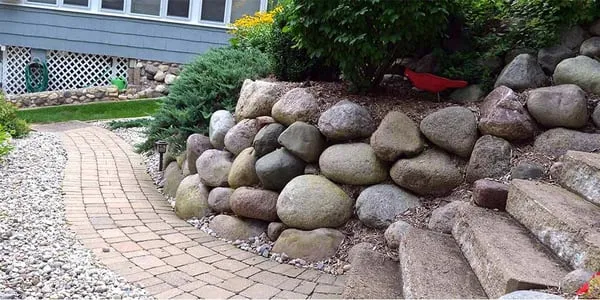
B&C Pavers and Landscaping
B&C Pavers and Landscaping Inc. is a locally-owned and operated company with over 25 years of experience serving Woodstock and the greater Chicagoland area. Specializing in both residential and commer...
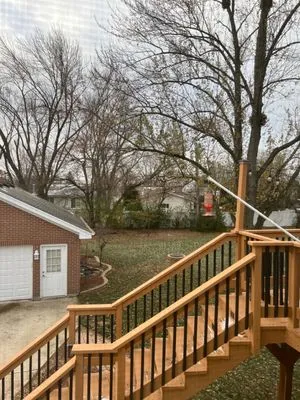
MidWest Exterior Services is a trusted local provider in Woodstock, IL, specializing in comprehensive lawn and gutter solutions. We help Woodstock homeowners tackle common landscaping challenges like ...
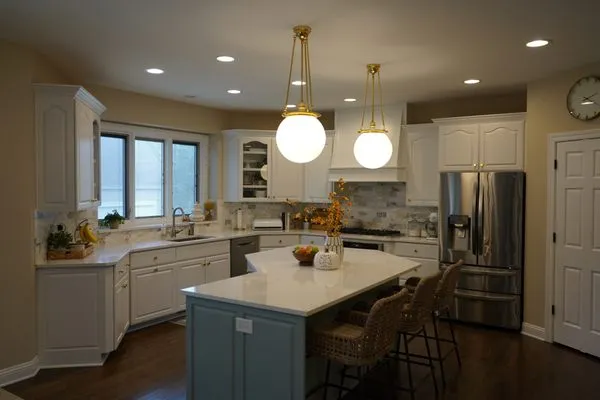
KR Builders is a licensed general contractor serving Woodstock, IL, and surrounding areas since 2001. We specialize in residential and light commercial renovations, offering comprehensive services inc...
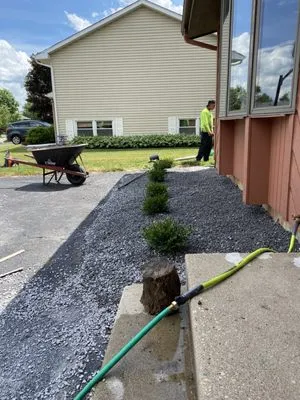
Pretty Stone Landscaping and Design is a Harvard, IL-based company providing comprehensive outdoor solutions for residential and commercial properties. Specializing in landscaping, snow removal, and t...
Spring Creek Lawn Care is a Harvard-based landscaping, masonry/concrete, and tree services company dedicated to keeping local properties beautiful and functional year-round. Serving Harvard and the su...
Pro Garden Landscaping is Harvard's trusted partner for creating and maintaining beautiful, healthy outdoor spaces. As local lawn care and landscape design experts, we understand the unique challenges...
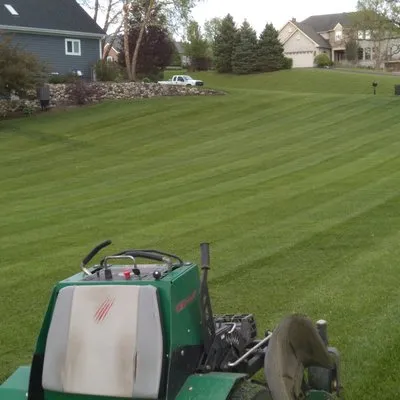
J & J Escobar Landscaping is a Harvard, IL-based family business dedicated to transforming outdoor spaces with reliable, personalized service. Founded and overseen by Jacob Escobar, we specialize in c...
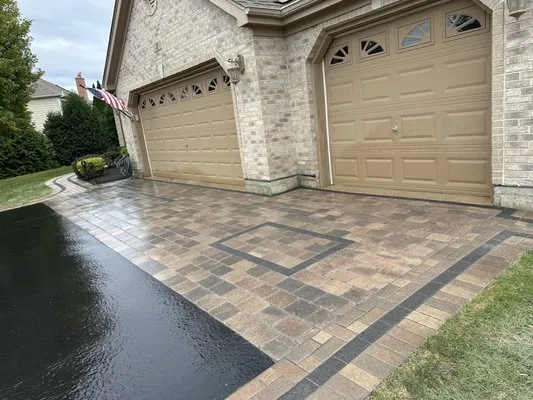
Redefine Landscaping is a Harvard, IL-based landscaping company dedicated to solving common local lawn care challenges. Many Harvard homeowners face issues like sprinkler coverage gaps and system leak...
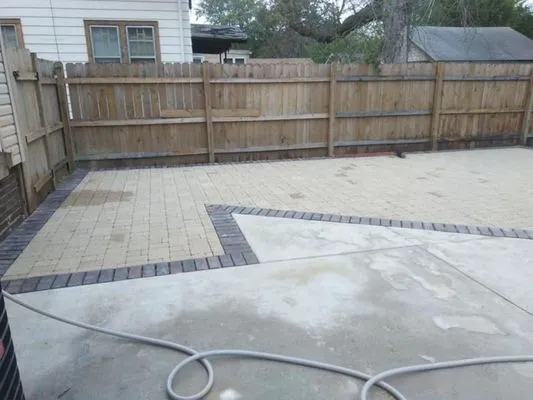
Contre One is a locally owned and operated landscaping business serving Harvard, IL, and the surrounding area since 2021. We specialize in comprehensive landscape design, maintenance, and tree care se...

Opulent Trucking is a WMBE-certified, locally-owned hauling and disposal service based in Waukegan, Illinois. We specialize in providing reliable solutions for construction debris, dirt, broken concre...
Estimated Landscaping Service Costs in Harvard, IL
FAQs
How do I keep my Kentucky Bluegrass healthy under Stage 1 water restrictions?
Smart Wi-Fi ET-based controllers are the solution. They adjust watering schedules daily based on local evapotranspiration data, applying water only when needed. This technology prevents overwatering, which is common with traditional timers, and ensures efficient use within municipal limits. Properly programmed, these systems deliver deep, infrequent watering that encourages drought-tolerant root systems in Tall Fescue blends, maintaining turf health with less water.
Are concrete pavers or wooden decks better for longevity and safety here?
Concrete pavers offer superior longevity in Zone 5b, withstanding freeze-thaw cycles without rotting or warping. For fire safety in Harvard's Low Urban/Rural Interface rating, pavers and crushed limestone provide non-combustible, defensible space. They also mitigate heat island effects better than wood or solid concrete. Their modular design allows for root growth and water movement, contributing to a more resilient landscape infrastructure.
How quickly can you respond for an emergency tree cleanup or urgent HOA compliance issue?
For urgent service, our dispatch from Milky Way Park via IL Route 14 allows a targeted response to the Harvard Central Historic District. During peak storm events, travel time is typically 45-60 minutes. We maintain an electric-capable fleet to operate within the city's 7am-9pm noise ordinance window, ensuring compliance while addressing safety hazards like downed limbs or code violations promptly.
What permits and licenses are needed for a patio or regrading project on my quarter-acre lot?
Any significant grading or hardscape installation requires a permit from the City of Harvard Community Development Department to ensure proper drainage and code compliance. The contractor must hold a valid license from the Illinois Department of Financial and Professional Regulation. This is crucial for work that alters water flow or involves structural elements, protecting you from liability and ensuring the work meets engineering and environmental standards for your property size.
What are low-maintenance alternatives to my high-input lawn?
Transitioning to a native plant community using species like Purple Coneflower, Little Bluestem, Butterfly Milkweed, and Prairie Dropseed drastically reduces water, mowing, and chemical needs. These deep-rooted perennials build soil health and support local pollinators. This xeriscape approach also future-proofs your property against potential gas-powered equipment restrictions, as these plantings require minimal seasonal cleanup compared to traditional turf.
My yard stays soggy for days after rain. What's the cause and a lasting fix?
This is a classic symptom of Harvard's seasonal high water table and the poor infiltration of underlying clay subsoils. Surface water cannot percolate down, creating saturated conditions. A permanent fix involves installing subsurface French drains or dry wells to intercept water. For new hardscapes, using permeable concrete pavers or open-graded crushed limestone allows infiltration, helping projects meet the City of Harvard Community Development Department's stormwater runoff standards.
Why does my soil in the Harvard Central Historic District seem compacted and tired?
Homes built around 1982 on original Mollisols silt loam often have a mature soil profile where 40+ years of standard maintenance has depleted organic matter. The natural 6.8-7.2 pH is ideal, but compaction from foot traffic and equipment reduces permeability. Core aeration followed by top-dressing with compost is critical to reintroduce pore space and biology, restoring the soil's natural function for healthier turf and planting beds.
What invasive species should I watch for, and how do I control them safely?
Common invaders include creeping Charlie, garlic mustard, and bush honeysuckle. Manual removal is effective for small infestations. For larger issues, targeted herbicide application must follow the Illinois Nutrient Loss Reduction Strategy, avoiding restricted dates for phosphorus-containing products to protect watersheds. Always identify the species first, as treatment timing and method are critical for success without harming desirable native plants or violating local ordinances.
