Top Landscaping Services in Hartland, IL, 60033 | Compare & Call
There are 181 landscaping companies server in Hartland IL
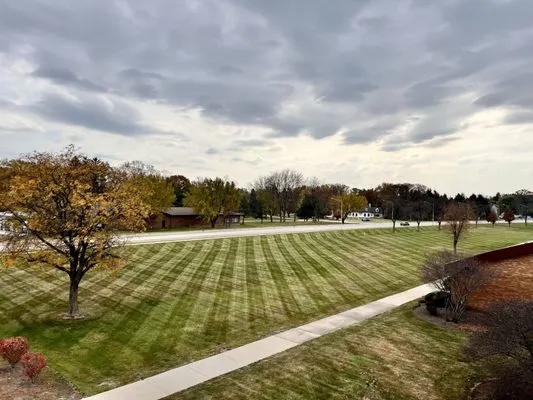
Leo's Landscaping & Tree Service is a family-owned business based in Woodstock, IL, dedicated to enhancing the beauty and functionality of outdoor spaces throughout McHenry County. Since our establish...
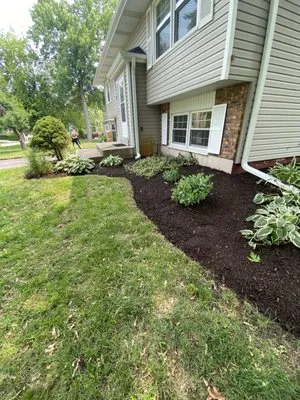
CMG Landscaping Services is a locally owned and operated company serving McHenry and the surrounding Lake County area. We provide reliable, hands-on care for your property, handling everything from we...
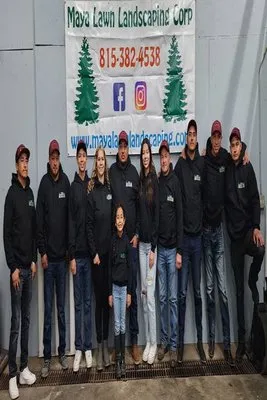
Maya Lawn Landscaping Corp. has been Harvard's trusted landscaping partner since 2005, serving McHenry County and surrounding areas. As a locally owned and operated business, we specialize in comprehe...
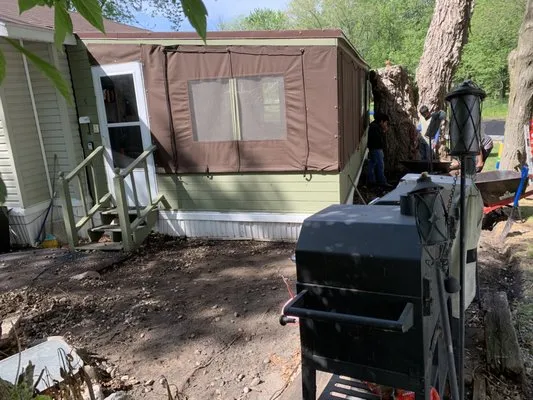
Rojas Lawncare is a licensed landscaping company serving Harvard, IL, with over 20 years of experience. We specialize in comprehensive landscaping services including lawn maintenance, paver patios, ou...
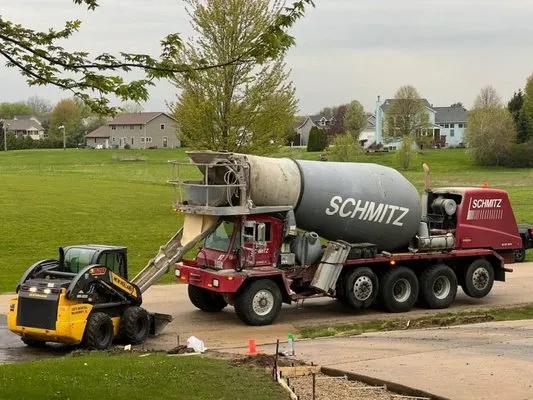
Waters Edge Construction is your trusted local masonry, concrete, and landscaping expert serving Wonder Lake, IL. We specialize in tackling the common landscaping challenges unique to our area, like o...
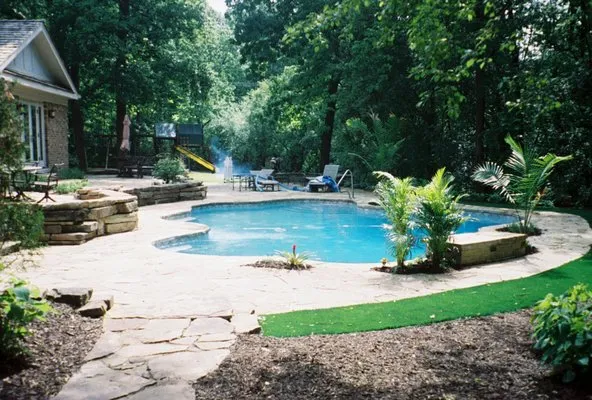
Agman, based in Marengo, IL, is a landscaping company with deep roots in the community, specializing in comprehensive outdoor solutions. Founded in 2005 by Matthew Hoppe, who brings over 20 years of e...

Sanchez Landscape Recreations is a trusted, locally-owned landscaping company serving Harvard, McHenry County, and the surrounding areas since 2012. We specialize in creating and maintaining beautiful...
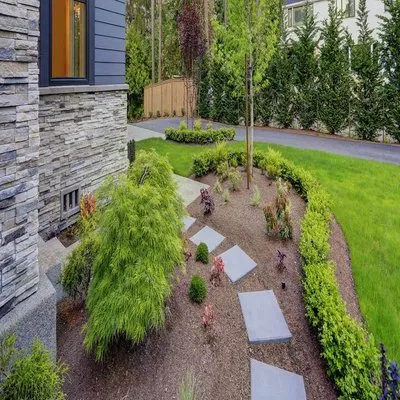
Power Landscaping in Harvard, IL, is a family-owned and operated business established in 1996, specializing in comprehensive tree services, landscaping, and masonry/concrete work. Serving McHenry and ...
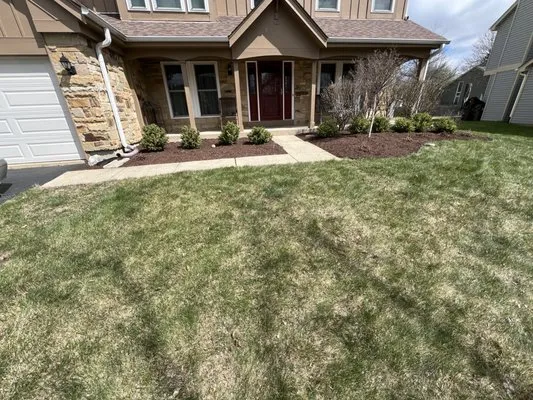
Rodriguez Sealcoating and Landscaping is a trusted, full-service contractor serving Marengo, IL, and the surrounding areas. Specializing in masonry/concrete, landscaping, and tree services, we help ho...
Founded in 2010 by Air Force veteran Jeff Rausch, Daybreaker Landscapes is a Union-based company dedicated to enhancing local properties. From a single-vision operation, it has grown into a trusted co...
Estimated Landscaping Service Costs in Hartland, IL
Question Answers
We're regrading part of our 0.35-acre lot. What permits and contractor credentials are required?
Regrading that alters water flow or involves significant cut/fill typically requires an Earth Change Permit from the McHenry County Planning & Development Department. For the work itself, you must hire a contractor licensed by the Illinois Department of Financial and Professional Regulation. On a lot of this size, improper grading can adversely affect neighboring properties and drainage patterns, making licensed, insured expertise a legal and practical necessity.
We want a lower-maintenance yard that's better for pollinators. What should we plant?
Transitioning sun-drenched turf areas to a native plant palette is the most effective long-term strategy. Species like Purple Coneflower, Butterfly Weed, and Little Bluestem are adapted to Zone 5b and require no irrigation once established, no synthetic fertilizer, and minimal seasonal care. This shift preemptively addresses increasing restrictions on gas-powered equipment, as these plantings are maintained with quiet, electric tools and require no weekly mowing.
Our yard has standing water every spring. What's a lasting fix for this soggy soil?
Seasonal saturation results from Hartland's silt loam topsoil over impermeable clay subsoil. A permanent solution involves installing a French drain system to intercept subsurface water and redirect it. Complement this by specifying permeable clay pavers for any new patios or walkways; this surface allows stormwater to infiltrate, reducing runoff volume and often simplifying compliance with McHenry County Planning & Development Department's stormwater management standards.
Is a permeable paver patio more durable than a wood deck for our backyard?
Yes, significantly. A properly installed permeable clay paver patio has a lifespan exceeding 25 years with minimal maintenance, unaffected by moisture, insects, or rot. While wood requires periodic sealing and replacement, pavers offer permanent, stable footing. Their permeability also manages onsite rainfall, and the non-combustible material contributes to a defensible space, which is a consideration even in Hartland's Low Fire Wise rating urban-suburban interface.
How can we keep our Kentucky Bluegrass green during summer without breaking water rules?
An ET-based, Wi-Fi-connected irrigation system is the technical solution. It automatically adjusts watering schedules using real-time weather data, applying water only when evapotranspiration rates demand it. This method can reduce water use by 20-30% compared to timer-based systems, keeping your turf blend healthy while adhering to Stage 1 voluntary conservation. Deep, infrequent watering cycles are programmed to encourage deeper root growth, improving drought resilience.
A storm damaged trees, and our HOA needs it cleared fast. What's your emergency response protocol?
Our storm response prioritizes HOA compliance and safety. For a site in the Hartland Historic District, the dispatch route originates from the Hartland Town Square staging area, proceeds north on IL-47, and typically achieves arrival within the 25-35 minute window during peak hours. The crew, equipped with electric chippers and saws to comply with local noise ordinances, will secure the hazard, process debris, and document the site for your records.
We see creeping Charlie and garlic mustard taking over. How do we treat it safely?
These invasive species thrive in disturbed, compacted soils. For effective control, a targeted, phosphorus-free herbicide application is timed for the plant's active growth phase, strictly avoiding blackout dates near waterways as per local ordinance. The long-term health strategy, however, is cultural: improving soil compaction through aeration and overseeding with competitive turfgrass or native ground covers to create an environment where invasives cannot easily establish.
Our lawn is 50 years old and looks tired. What's the root cause in this neighborhood?
Hartland's 1976-era lots were graded and sodded over native Mollisols, a fertile but dense silt loam. After five decades, soil compaction is the primary issue, reducing oxygen and water percolation. This is compounded by a poorly drained clay subsoil common in the Historic District, which restricts root development. Core aeration and incorporation of compost are essential to rebuild soil structure and restore health to the turf.
